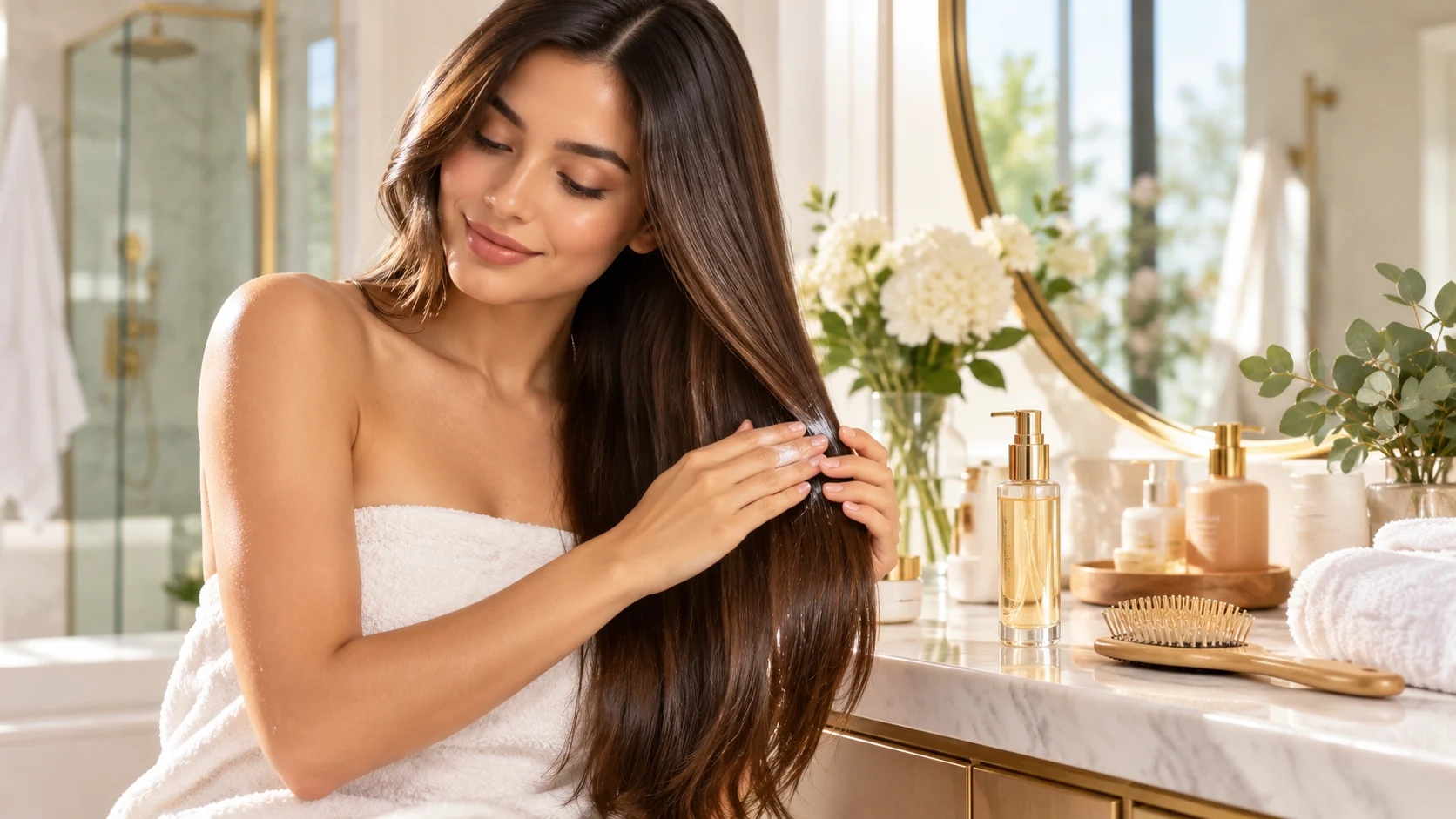
Frizzy hair is a common concern that can make your strands appear less defined, especially during humid weather or after frequent styling. Whether your hair is naturally curly, straight, wavy, or coily, changes in moisture, friction, and everyday care can affect its appearance. Understanding how to reduce the look of frizzy hair can help you achieve a smoother finish while maintaining your natural hair texture.
Frizz occurs when individual hair strands separate from the surrounding hair, creating a fluffy or uneven appearance. This can happen because of humidity, dryness, hair damage, natural texture, or certain styling habits. Although frizz is completely normal, appropriate conditioning and gentle handling can make hair easier to manage when you prefer a smoother style.
You do not need expensive salon treatments or a complicated collection of products to improve hair manageability. Simple adjustments to your washing routine, drying methods, and styling techniques can make a noticeable difference. This guide explains what causes frizzy hair, how to manage it effectively, and which products and habits can support softer, smoother-looking strands.
What Causes Frizzy Hair and Why Does It Happen?
Frizzy hair develops when individual strands behave differently from the surrounding hair, often because of natural texture, environmental conditions, or changes to the hair surface. The cuticle is the outer protective layer of each strand, and its condition influences smoothness and light reflection. When the surface becomes rough or uneven, hair may appear less smooth. Frizz itself does not necessarily indicate damage.
Humidity is one of the most common environmental factors affecting frizzy hair. Hair fibers interact with moisture in the surrounding air, which can temporarily change their shape and movement. As a result, carefully styled strands may become less aligned or more voluminous. This effect is especially noticeable in hair that has been straightened or styled differently from its natural pattern.
Frequent heat styling, chemical processing, and rough handling can also contribute to surface damage and increased frizz. These activities may affect the cuticle and make strands more vulnerable to friction. However, curly and coily hair can naturally appear frizzy even when it is well cared for. Understanding the difference helps you choose realistic and appropriate management techniques.
How Humidity, Dryness, and Hair Porosity Affect Frizz
Humidity can change how hair looks because hair fibers absorb and release moisture from their surroundings. These changes may temporarily alter the arrangement of hair strands and affect an existing hairstyle. High humidity can therefore make a smooth blowout appear less defined. The effect depends on hair structure, previous treatments, and products used during styling.
Hair porosity describes how readily hair absorbs and releases water, although accurately classifying it at home can be difficult. Hair affected by chemical treatments or physical damage may behave differently from untreated strands. Some people notice that their hair becomes rough or frizzy after washing. Appropriate conditioning can help improve manageability regardless of a particular porosity label.
Dry-feeling hair may also develop an uneven appearance because strands experience greater friction during movement and styling. Conditioning agents and suitable oils can improve lubrication and reduce this rough sensation. However, frizz does not always mean hair needs more moisture. Evaluating your texture, styling habits, and product buildup provides better guidance than relying on one explanation.
Choose the Right Shampoo and Conditioner for Smoother Hair
A suitable shampoo helps remove dirt, excess scalp oil, and product buildup without making your hair unnecessarily difficult to manage. Choose a cleansing formula based on your scalp condition and washing habits. Some people prefer gentle shampoos for frequent use, while others occasionally need stronger cleansing. The right product should leave the scalp comfortable and prepare hair for conditioning.
Conditioner is particularly important for improving softness and reducing friction between strands. Look for ingredients such as cetearyl alcohol, cetyl alcohol, behentrimonium chloride, or suitable silicones. These conditioning agents can help smooth the hair surface and make detangling easier. Their effectiveness depends on the complete product formulation rather than the presence of a single ingredient.
Apply conditioner mainly through the lengths and ends, especially if your roots become oily easily. Allow it to remain on your hair for the time recommended on the packaging before rinsing. Use your fingers or a suitable wide-tooth comb to distribute it gently. Consistent conditioning can support a smoother appearance without requiring multiple additional treatments.
Use Hair Masks and Leave-In Conditioners to Control Frizz
Hair masks provide additional conditioning when your usual shampoo and conditioner do not deliver enough softness. Many formulas contain emollients, plant oils, fatty alcohols, and other ingredients that improve lubrication. These treatments may be especially helpful for hair that feels coarse or tangled after washing. A richer mask is not automatically better, particularly for fine hair.
Leave-in conditioners can help maintain softness between washes because they remain on the strands after application. They often provide slip, reduce friction, and make styling easier. Some formulas also contain film-forming ingredients that temporarily improve the appearance of surface frizz. Choosing a lightweight or rich formula depends on your hair thickness and texture.
Apply leave-in conditioner to damp hair according to the product instructions, concentrating on areas that need additional manageability. Start with a small amount to avoid unnecessary buildup. For some hair types, a weekly conditioning mask and regular leave-in product provide sufficient care. Adjust your routine based on how your hair responds rather than applying every treatment available.
Dry Your Hair Gently to Reduce Surface Frizz
Drying techniques can influence the appearance of frizzy hair because wet strands are vulnerable to unnecessary friction and rough handling. Vigorous rubbing with a conventional towel may disturb the hair surface and create additional tangles. Instead, gently squeeze out excess water. A soft microfiber towel or clean cotton T-shirt can help absorb moisture without excessive rubbing.
Allowing hair to air-dry can be convenient, particularly when you want to reduce heat exposure. However, leaving strands wet for unnecessarily long periods is not always ideal for every hair type. You can gently remove excess moisture and allow the remaining hair to dry naturally. Avoid repeatedly touching or rearranging strands while an established hairstyle is drying.
If you use a hairdryer, select comfortable heat and airflow settings that suit your texture. Keep the dryer moving rather than concentrating high heat on one area. A diffuser attachment may help preserve natural waves and curls when used appropriately. Gentle drying habits can reduce unnecessary disruption and help maintain the style you want.
Detangle and Brush Your Hair Without Creating More Frizz
Detangling is an important part of maintaining manageable hair, but excessive brushing can increase friction and disturb the natural arrangement of strands. The most suitable technique depends on your hair texture and condition. Straight hair may tolerate gentle dry brushing, while curly and coily hair often benefits from detangling when conditioned and damp. Neither method suits everyone.
Begin detangling near the ends and gradually work toward the roots instead of pulling through difficult knots. Use your fingers or a suitable wide-tooth comb, depending on what feels comfortable. Applying conditioner beforehand may help reduce resistance. Take additional care with wet hair because stretching and forceful handling can contribute to mechanical damage.
Repeatedly brushing dry curls can separate defined curl groups and create a fuller, frizzier appearance. If you prefer curl definition, gentle finger styling or refreshing with a little suitable leave-in product may work better. For straight hair, a soft brush and minimal passes may support a neater finish. The goal is comfortable handling rather than perfectly uniform strands.
Protect Hair From Excessive Heat and Styling Damage
Blow-dryers, straighteners, and curling tools can temporarily change the shape and appearance of hair. However, excessive temperature or repeated exposure may affect hair proteins and the protective cuticle. Over time, this can contribute to roughness, breakage, and frizz. Reducing unnecessary heat exposure helps preserve the condition of existing strands.
Use heated styling tools at the lowest effective temperature for your hair and follow the manufacturer’s instructions. Apply a suitable heat protectant when recommended for the styling method. Heat-protection products can reduce some damage, but they cannot eliminate every risk associated with high temperatures. Avoid repeatedly passing a hot tool over the same section without a clear need.
Chemical straightening, bleaching, and other intensive treatments can also alter hair structure and increase sensitivity to styling. Hair that has undergone these processes may require additional conditioning and more careful handling. Severely damaged ends cannot be permanently restored through ordinary cosmetic products. Professional advice may be helpful when you experience substantial breakage or persistent roughness.
Pick the Best Anti-Frizz Products for Your Hair Type
Anti-frizz products include smoothing serums, leave-in conditioners, styling creams, gels, and hair oils. These products work differently depending on their ingredients and intended purpose. Some improve lubrication, while others help hold strands together or create a temporary protective coating. Choosing a suitable formulation is more important than purchasing every product labeled for frizz control.
Lightweight serums containing conditioning silicones may appeal to people with fine or straight hair seeking additional shine. Thicker creams or curl-defining gels may suit people who prefer more hold and definition. Oils such as argan or jojoba can provide a smoother finish when used sparingly. The ideal combination depends on your texture and styling preferences.
Introduce one new product at a time so you can evaluate its performance. Start with a small quantity and concentrate on the lengths and ends when appropriate. Excessive layering can create buildup or leave hair feeling heavy. A simple routine built around products that work comfortably for you is generally easier to maintain.
Keep Hair Smoother During Humid or Rainy Weather
Humid weather can make certain hairstyles difficult to maintain because hair continually interacts with moisture in the air. A style created under dry conditions may change as humidity increases. While no product guarantees complete protection from humidity, some styling formulas help reduce the effect temporarily. Choosing realistic styling goals can make humid-weather hair care easier.
Anti-humidity sprays, suitable serums, and styling gels may help preserve the arrangement of hair strands. Film-forming ingredients can provide temporary support for certain hairstyles, although results vary between products. Apply these treatments according to the manufacturer’s directions. Combining a suitable conditioner with a compatible styling product may improve manageability during changing weather.
In particularly humid conditions, consider hairstyles that work comfortably with your natural texture rather than requiring frequent restyling. Loose braids, gentle twists, or other low-tension arrangements may be convenient for some people. Avoid tightly pulling the hair or repeatedly manipulating sensitive strands. Flexibility in your styling routine can reduce unnecessary handling throughout the day.
Build a Nighttime Routine That Limits Hair Friction
Hair can experience friction during sleep as it moves against pillowcases and bedding. This movement may disturb a hairstyle or contribute to tangles, especially when strands are long or naturally textured. Reducing unnecessary friction may help preserve a smoother appearance overnight. The most effective approach depends on your preferred hairstyle and individual comfort.
Some people find that smooth satin or silk pillowcases make hair easier to manage in the morning. Others prefer a comfortable satin bonnet or a loose, low-tension hairstyle. These options may reduce tangling and help preserve curls or waves. However, no particular sleep accessory is essential for maintaining healthy or manageable hair.
Before bed, gently detangle your hair if appropriate for its texture and condition. Avoid sleeping with tightly secured hairstyles that pull against the scalp. A small amount of suitable leave-in product may help dry-feeling ends, although daily application is not always necessary. Developing comfortable nighttime habits can make morning styling simpler without creating extra work.
Common Anti-Frizz Mistakes and When to Seek Professional Advice
One common mistake is applying too many oils, conditioners, or styling products in an attempt to eliminate every visible flyaway. Excessive product can leave hair heavy, coated, or difficult to cleanse. Another mistake is assuming that frizz always indicates poor hair health. Natural texture and environmental changes can create frizz even when hair is in good condition.
Some people also rely on repeated high-temperature styling to maintain a smooth appearance. Although these techniques can create temporary results, frequent heat exposure may contribute to additional dryness and breakage. Aggressive brushing and rough towel drying can have similar effects. Gentle styling and appropriate conditioning often provide a more sustainable approach to everyday hair management.
If roughness occurs alongside significant hair breakage, persistent scalp irritation, or unusual hair shedding, consider speaking with a dermatologist or qualified healthcare professional. These symptoms may require assessment beyond ordinary cosmetic care. A professional hairstylist can also recommend suitable conditioning and styling techniques. Managing frizz should remain about personal comfort and preferences, not achieving an unrealistic standard.
Conclusion
Learning how to reduce the look of frizzy hair begins with understanding how natural texture, humidity, friction, and styling habits affect individual strands. Appropriate shampoos, conditioners, leave-in treatments, and gentle drying methods can improve smoothness and manageability. Choosing products based on your hair’s needs is generally more useful than following complicated beauty trends.
Consistent hair care habits can make styling easier while reducing avoidable damage. Limiting excessive heat, detangling gently, and adjusting products during humid weather may help maintain your preferred hairstyle. Hair masks, serums, and lightweight oils can offer additional conditioning when necessary. However, no single product or technique works equally well for everyone.
Ultimately, frizz is a normal characteristic of many hair types, and reducing its appearance is a personal styling choice. You do not need perfectly smooth strands to have healthy hair. By focusing on comfortable care, realistic expectations, and suitable products, you can maintain softer, more manageable hair while appreciating your natural texture.
Frequently Asked Questions (FAQs)
What is the best way to reduce the look of frizzy hair?
Use a suitable conditioner, apply a lightweight leave-in product when needed, and dry your hair gently. Reducing unnecessary friction and excessive heat can also improve smoothness and manageability.
Why is my hair frizzy even after washing?
Hair may appear frizzy after washing because of natural texture, humidity, insufficient conditioning, or rough drying techniques. A suitable conditioner and gentle handling may help reduce the appearance of separated strands.
Which oil is best for frizzy hair?
Argan and jojoba oils are popular choices for adding softness and shine, while richer oils may suit certain coarse textures. The best option depends on strand thickness, product formulation, and individual preference.
Can frizzy hair become permanently smooth?
Conditioning and styling products can temporarily improve smoothness, but they cannot permanently change natural hair texture. Some chemical treatments alter hair structure, although they carry risks and require careful professional consideration.
How can I reduce frizz without using heat?
Try gentle towel drying, suitable leave-in conditioners, comfortable air-drying techniques, and low-friction styling habits. Curl creams or lightweight serums may also help maintain definition and smoothness without heated tools.



[…] How to Reduce the Look of Frizzy Hair […]