What Does “Beauty Needs No Ornaments” Really Mean?
The phrase “beauty needs no ornaments” suggests that genuine beauty does not depend entirely on jewelry, expensive clothing, cosmetics, or decorative accessories. It points toward the idea that natural appearance, personality, confidence, and character can create attractiveness on their own. Someone may look beautiful without elaborate styling because beauty can come from expression, warmth, individuality, and the way a person carries themselves.
However, the phrase should not be interpreted as saying that accessories or makeup are unnecessary for everyone. Ornaments can enhance personal style, celebrate culture, or simply make someone feel more confident. A necklace, earrings, hairstyle, or carefully chosen outfit may complement natural beauty rather than create it. The difference lies in whether these additions support someone’s appearance or are treated as the only source of attractiveness.
Beauty is also highly personal and subjective. One person may admire a minimalist appearance, while another may appreciate dramatic fashion, jewelry, makeup, and decorative details. Neither preference is automatically more authentic. The deeper meaning behind the saying is that beauty should not depend completely on external decoration because qualities such as confidence, expression, kindness, and individuality can remain attractive even when ornaments are removed.
Natural Beauty Can Stand on Its Own
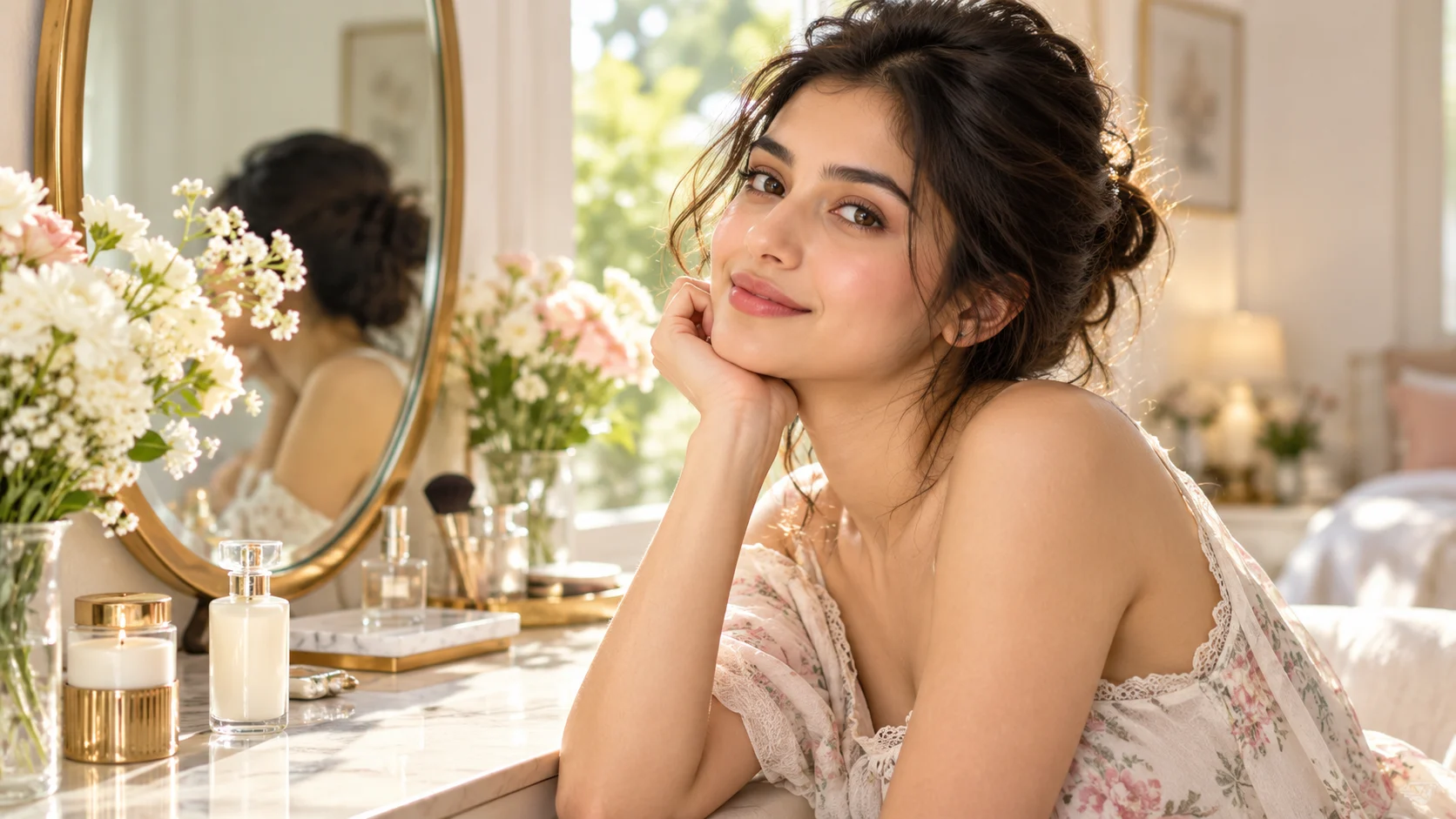
Natural beauty usually refers to someone’s appearance without heavy styling or dramatic enhancement. Features such as expressive eyes, a genuine smile, natural hair, skin texture, and facial structure can create a strong impression without additional decoration. People often appreciate this type of beauty because it feels relaxed and personal, allowing the individual’s natural characteristics to remain clearly visible instead of being hidden beneath elaborate styling.
There is also something appealing about simplicity. When fewer decorative elements are present, attention naturally shifts toward the face, expressions, and personality. A person wearing simple clothing with minimal accessories can still look elegant when the overall appearance feels balanced. Good grooming, clean presentation, and confidence can often create a stronger impression than wearing numerous accessories simply because they are fashionable or expensive.
Natural beauty should not be confused with perfection. Real skin has texture, hair does not always stay perfectly in place, and facial features are rarely completely symmetrical. These characteristics can actually make someone more recognizable and interesting. Accepting natural features instead of constantly trying to correct them may encourage a healthier understanding of beauty that values individuality rather than expecting everyone to meet the same ideal.
Confidence Often Matters More Than Decoration
Confidence can significantly influence how attractive someone appears. A person who feels comfortable in their clothing, posture, and overall appearance may naturally appear more engaging even without expensive accessories. Confidence affects eye contact, body language, facial expressions, and communication. These qualities can shape how others perceive someone far more strongly than a particular necklace, designer outfit, or elaborate beauty treatment.
This does not mean confident people never enjoy makeup or jewelry. In fact, someone may choose bold accessories precisely because they feel secure in their personal style. The important point is that the accessory does not become responsible for their entire sense of worth. When confidence comes from within, decorative elements can remain enjoyable additions instead of becoming things a person feels unable to appear attractive without.
Developing confidence takes time and cannot usually be achieved by simply repeating positive statements. It can come from self-acceptance, skills, meaningful relationships, personal accomplishments, and learning what styles genuinely feel comfortable. When someone becomes less dependent on outside approval, their appearance may feel more authentic. In that sense, confidence becomes one of the strongest arguments supporting the idea that beauty needs no ornaments.
Personality Adds a Different Kind of Beauty
Physical appearance often creates the first impression, but personality can strongly influence how attractive someone seems over time. Humor, kindness, curiosity, intelligence, patience, and warmth can make a person increasingly appealing as others get to know them. These qualities cannot be replaced by jewelry or cosmetics because they influence how people feel during conversations and relationships rather than simply how someone looks.
A beautiful appearance combined with an unpleasant personality may quickly lose its appeal. By contrast, someone who initially appears ordinary can become incredibly attractive when their personality is engaging and genuine. This demonstrates that human attraction is more complicated than surface-level decoration. Appearance matters, but emotional connection and personal character can completely change how people interpret another person’s beauty.
Personality also gives style more meaning. Two people can wear identical outfits and accessories yet create entirely different impressions because of posture, expression, attitude, and energy. Ornaments decorate the outside, but personality shapes the experience of being around someone. This is why the idea that beauty needs no ornaments can be understood as emphasizing qualities that cannot simply be purchased or added temporarily.
Simple Style Can Look More Elegant
Simple fashion often demonstrates that elegance does not require excessive decoration. Well-fitted clothing, clean lines, balanced colors, and thoughtful grooming can create a sophisticated appearance with very few accessories. In some cases, adding too many decorative elements can make an outfit feel visually crowded. Simplicity allows each detail to receive attention and can make the overall look appear more intentional.
Minimalist styling also helps natural features remain visible. Small earrings, a simple watch, or no jewelry at all can allow hairstyle, facial features, or clothing structure to become the main focus. This approach is especially effective when the outfit already includes strong colors, embroidery, interesting fabric, or unusual tailoring. Removing unnecessary accessories can sometimes make an appearance feel more polished rather than incomplete.
However, simplicity is itself a style choice rather than a universal beauty rule. Some cultures and fashion traditions celebrate elaborate ornamentation, layered jewelry, colorful fabrics, and decorative details. Those styles can be equally elegant when thoughtfully coordinated. The idea that beauty needs no ornaments simply reminds us that adding more does not automatically create more beauty; harmony and personal expression usually matter more than quantity.
Can Jewelry Enhance Natural Beauty?
Jewelry can certainly enhance someone’s appearance when it complements their natural features and personal style. Earrings may draw attention toward the eyes, while a necklace can highlight the neckline of an outfit. Bracelets, rings, and watches can add subtle visual interest without overwhelming the person wearing them. In this way, ornaments can function as finishing touches rather than necessities for creating beauty.
The most effective jewelry often works with the rest of the appearance. Large statement earrings may look striking with a simple outfit, while delicate pieces may suit elaborate clothing better. Skin tone, hairstyle, neckline, occasion, and personal preference can all influence what looks balanced. There is no requirement to wear jewelry, but carefully selected pieces can help communicate personality and make an outfit feel more complete.
Problems arise only when ornaments are treated as proof of beauty, status, or personal value. Expensive jewelry cannot guarantee elegance, and someone without accessories is not automatically less attractive. Beauty is not determined by the price or number of decorative items worn. Jewelry is most meaningful when it adds enjoyment, cultural significance, or self-expression without becoming necessary for someone to feel acceptable.
Does Makeup Count as an Ornament of Beauty?
Makeup can be viewed as another form of ornamentation because it changes or enhances visible features. Foundation can even the complexion, mascara can emphasize the eyes, and lipstick can add stronger color to the face. Like jewelry, makeup can be creative, enjoyable, and expressive. It can also help people feel more prepared for professional, social, or formal occasions.
At the same time, makeup is not required for someone to be considered beautiful. Bare skin, natural brows, and unpainted lips can be equally attractive. The pressure to look permanently polished can sometimes make people feel as though their natural appearance is unfinished. Challenging that assumption can help create a healthier relationship with cosmetics where makeup becomes a choice rather than an obligation.
The most balanced perspective is to see makeup as a tool. Some days, a person may enjoy full glam, while on other days they may prefer only moisturizer and sunscreen. Both choices can be valid. The saying “beauty needs no ornaments” does not need to reject cosmetics; instead, it can remind people that makeup may enhance beauty without being responsible for creating someone’s worth or identity.
Inner Beauty Gives the Saying Deeper Meaning
The idea of inner beauty expands the discussion beyond physical appearance. Compassion, honesty, generosity, emotional maturity, and respect can make someone deeply attractive even when those qualities cannot be seen immediately. Over time, these characteristics often matter more in relationships than hairstyles, clothing, or jewelry because they directly influence trust, comfort, and emotional connection.
Inner beauty also tends to remain valuable as physical appearances change. Fashion trends shift, skin ages, hairstyles change, and accessories move in and out of popularity. Character can develop differently, often becoming richer through experience, learning, and personal growth. This gives inner beauty a lasting quality that external ornaments cannot necessarily provide, supporting the deeper philosophy behind the phrase.
That does not mean physical appearance should be dismissed or treated as superficial. Caring about clothes, skincare, makeup, or personal style can be enjoyable and meaningful. The point is that appearance represents only one part of a person. When beauty is understood more broadly, ornaments become optional expressions of style rather than measurements of whether someone deserves admiration or attention.
Cultural Traditions Show That Ornaments Can Have Meaning
Ornaments are not always worn simply to increase physical attractiveness. In many cultures, jewelry, clothing, decorative makeup, and accessories communicate tradition, family history, celebration, marital status, spirituality, or community identity. Removing these meanings from the conversation would oversimplify why people decorate themselves. An ornament can represent belonging and memory as much as fashion or beauty.
Weddings provide a clear example. Brides and grooms in many traditions wear special clothing, jewelry, embroidery, or ceremonial accessories that may carry symbolic importance. These items do not necessarily suggest that the person is unattractive without them. Instead, decoration becomes part of the occasion, helping express cultural identity and mark an important moment in someone’s life.
This is why “beauty needs no ornaments” should be understood as a philosophical idea rather than a literal rule against decoration. A person can be naturally beautiful while still enjoying culturally meaningful ornaments. The two ideas do not conflict. Natural beauty describes qualities already present, while ornaments can add symbolism, celebration, creativity, and personal meaning to how someone chooses to present themselves.
Social Media Can Distort Our Idea of Beauty
Social media has made highly styled appearances visible every day. Filters, professional lighting, makeup tutorials, cosmetic procedures, designer clothing, and carefully selected photographs can create the impression that looking attractive requires constant improvement. When these images become the standard for comparison, ordinary natural appearance may seem less impressive even though the comparison itself is often unrealistic.
This environment can increase dependence on external decoration. People may feel pressure to purchase new cosmetics, clothing, skincare, or accessories simply to keep up with rapidly changing trends. There is nothing wrong with enjoying these products, but problems can develop when someone believes they cannot be attractive without them. Beauty then becomes an endless project rather than something that can exist naturally.
Remembering that beauty needs no ornaments can provide a useful counterbalance. It encourages people to recognize that edited photographs and carefully styled content represent only one version of attractiveness. Real-life beauty includes movement, expressions, imperfections, personality, and natural features. Learning to appreciate those elements can reduce unnecessary comparison while still allowing people to enjoy fashion and beauty trends when they genuinely want to.
When Ornaments Improve an Overall Look
Although ornaments are not necessary for beauty, they can improve an outfit when chosen thoughtfully. A simple dress may feel more complete with elegant earrings, while a traditional outfit may benefit from jewelry that reflects its design. Accessories can also introduce color, texture, or contrast. Small additions often help create visual interest without changing the natural appearance of the person wearing them.
The key is balance. If an outfit already contains heavy embroidery, patterns, or dramatic details, excessive jewelry may compete with those elements. A simpler accessory choice can create greater harmony. On the other hand, minimalist clothing can provide the perfect background for a statement necklace or bold earrings, allowing one decorative piece to become an intentional focal point.
Personal comfort should remain the final guide. Someone who dislikes jewelry should not feel incomplete without it, while someone who genuinely enjoys elaborate accessories should not be told that simplicity is automatically superior. Beauty becomes more convincing when personal style feels authentic. Ornaments work best when they reflect the wearer rather than being used to satisfy expectations about how attractive people are supposed to look.
How to Feel Beautiful Without Depending on Ornaments
Feeling beautiful without ornaments often begins with basic self-care rather than achieving a flawless appearance. Clean hair, comfortable clothing, healthy grooming habits, and skincare suited to your needs can help you feel prepared without requiring elaborate styling. These routines support comfort and confidence while still allowing natural features to remain visible, creating a simple foundation for personal presentation.
It also helps to identify features you genuinely appreciate about yourself. Instead of constantly examining perceived flaws, notice qualities such as your smile, eyes, hair texture, skin tone, or facial expressions. Physical appreciation does not require believing everything is perfect. It simply encourages a more balanced perspective where attractive characteristics receive as much attention as the imperfections people often notice first.
Finally, invest in qualities unrelated to appearance. Skills, hobbies, relationships, education, health, creativity, and meaningful work can create confidence that does not disappear when clothing or beauty trends change. When self-worth is supported by multiple parts of life, appearance becomes easier to enjoy without becoming overwhelming. Ornaments can then remain optional pleasures rather than essential tools for feeling valuable or attractive.
Is “Beauty Needs No Ornaments” Completely True?
The statement is true when it means that beauty can exist independently of jewelry, cosmetics, designer clothing, or decorative accessories. A person’s features, confidence, expressions, character, and presence can all create beauty without added decoration. No ornament automatically makes someone beautiful, just as the absence of accessories does not make someone plain or unattractive.
However, saying beauty “needs” no ornaments does not mean ornaments have no value. They can enhance appearance, communicate culture, support personal style, or make special occasions feel more meaningful. Someone can believe in natural beauty while still loving makeup and jewelry. These ideas are compatible because enhancement is different from dependence, and enjoying decoration does not automatically indicate insecurity.
A more accurate interpretation might be that true beauty does not rely entirely on ornaments. Decoration can frame, celebrate, or emphasize what already exists, but it should not define someone’s worth. Whether you prefer a bare face and minimal accessories or elaborate styling and statement jewelry, the strongest appearance is usually the one that feels comfortable, intentional, and genuinely connected with your personality.
Conclusion
“Beauty needs no ornaments” contains an important truth: attractiveness does not begin with jewelry, makeup, expensive clothing, or decorative accessories. Natural features, expressions, confidence, personality, and character can create beauty independently. Someone does not become beautiful only after adding external decoration, and learning to recognize this can encourage a more balanced and realistic understanding of personal appearance.
At the same time, ornaments should not be viewed negatively. Jewelry, cosmetics, fashion, and cultural accessories can be meaningful ways to celebrate identity and express creativity. They may enhance natural beauty or complete a particular style without replacing the person underneath. The healthiest approach is to enjoy decoration because you choose it, not because you believe you cannot look attractive without it.
So, is beauty without ornaments truly possible? Absolutely. But beauty with ornaments can be equally genuine when those additions reflect personal taste and cultural meaning. Beauty is broader than any single style, and there is no universal formula. Confidence, authenticity, thoughtful presentation, and individuality often matter more than whether someone chooses to wear many ornaments or none at all.
FAQs
What does “beauty needs no ornaments” mean?
It means genuine beauty can exist without jewelry, makeup, expensive clothing, or decorative accessories. Natural features, confidence, personality, expressions, and character can make someone attractive without depending entirely on external decoration.
Can ornaments make someone more beautiful?
Ornaments can enhance an appearance by complementing clothing, facial features, or personal style. However, they do not automatically create beauty and are best viewed as optional additions rather than necessities.
Is natural beauty better than makeup?
Neither is automatically better. Natural beauty celebrates features without much enhancement, while makeup provides creativity and additional definition. The best choice depends on personal preference, comfort, lifestyle, and occasion.
Why is confidence important for beauty?
Confidence influences posture, expressions, eye contact, and communication, which can strongly affect how someone is perceived. Feeling comfortable with yourself often creates an appealing presence that accessories alone cannot reproduce.
Does wearing jewelry mean someone lacks natural beauty?
No. People wear jewelry for style, enjoyment, tradition, culture, celebration, or personal meaning. Wearing ornaments does not suggest someone lacks natural beauty; it simply reflects another way of expressing themselves.