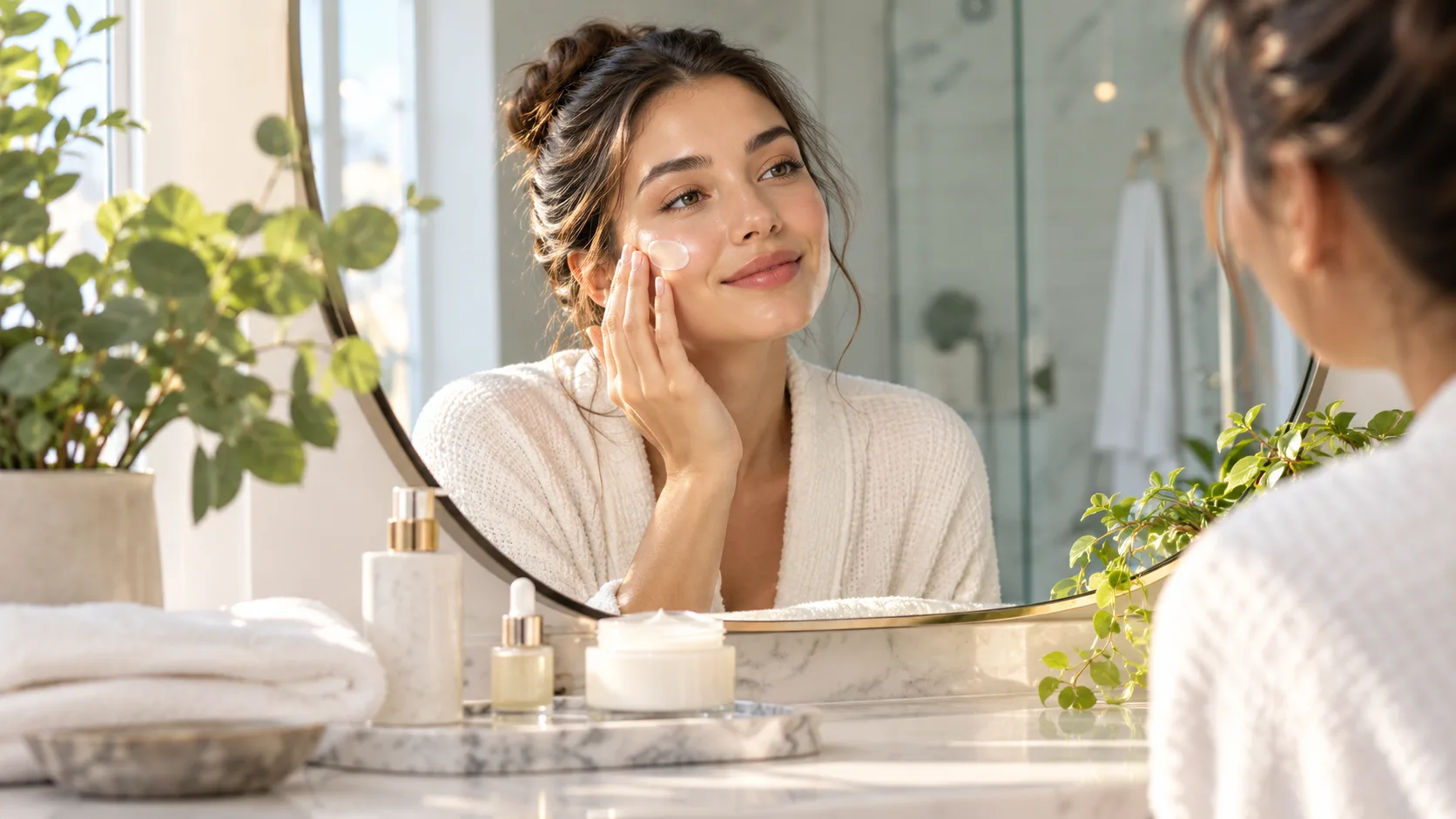
Ceramides have become one of the most popular ingredients in modern skincare because of their ability to support healthy, hydrated skin. These naturally occurring lipids play an essential role in maintaining the skin’s protective barrier and preventing excessive moisture loss. Understanding the benefits of ceramides for skin can help you choose suitable products and develop a skincare routine that supports long-term skin health.
Your skin is constantly exposed to environmental conditions, cleansing products, and everyday activities that may affect its moisture balance. When the protective skin barrier becomes weakened, dryness, tightness, and irritation can become more noticeable. Ceramide-containing skincare products can help replenish important skin lipids and improve moisture retention, making them useful for many different skin types.
Whether you experience dry skin, occasional sensitivity, or simply want to maintain a comfortable complexion, ceramides can be a valuable addition to your routine. They are commonly found in moisturizers, facial creams, lotions, and serums designed to support skin barrier function. This guide explains what ceramides are, how they work, their benefits, and the best ways to use them.
What Are Ceramides in Skincare?
Ceramides are naturally occurring lipids, or fats, found in the outermost layer of the skin. They are important components of the stratum corneum, which helps maintain the skin’s protective barrier. Ceramides work alongside cholesterol and fatty acids to organize the lipid structure that limits moisture loss and helps protect the skin from external irritants.
A useful way to understand ceramides is to imagine the outer skin layer as a brick wall. Skin cells act like bricks, while the surrounding lipids function like mortar holding everything together. When this structure is maintained properly, the skin can retain moisture more effectively and withstand normal environmental exposure.
Skincare manufacturers include ceramides in topical products to help support or replenish this natural lipid barrier. These ingredients may be combined with other moisturizing compounds to improve skin comfort. Although ceramides are naturally present in healthy skin, topical formulations can be useful when the barrier needs additional support.
How Do Ceramides Work on the Skin?
Ceramides help maintain the organization of lipids between skin cells, supporting the protective function of the outer skin layer. This structure reduces transepidermal water loss, which occurs when water gradually escapes through the skin. By helping maintain this barrier, ceramides contribute to hydration and protect against certain environmental irritants.
When the skin barrier becomes disrupted, moisture can escape more easily and external substances may cause greater discomfort. Ceramide-containing moisturizers can support barrier recovery by providing lipids similar to those naturally found in the skin. Their effectiveness depends on the complete formulation, including the presence of other beneficial moisturizing ingredients.
Ceramides do not act as exfoliants or remove dead skin cells in the way that certain acids do. Instead, their primary purpose is to support moisture retention and barrier function. This makes them particularly useful in routines designed to maintain hydration and improve skin comfort without introducing additional exfoliating activity.
Benefits of Ceramides for Strengthening the Skin Barrier
One of the most important ceramide benefits for skin is supporting the protective barrier that separates the body from the external environment. This barrier helps reduce excessive moisture loss and limits the penetration of certain irritating substances. Maintaining its function is essential for keeping skin comfortable and supporting normal skin health.
Everyday factors such as frequent washing, harsh cleansing products, and dry environmental conditions can interfere with barrier function. When the skin becomes uncomfortable, products containing ceramides may help replenish lipids and support recovery. Moisturizers formulated with ceramides, cholesterol, and fatty acids can be particularly useful because these components naturally work together.
A stronger skin barrier may improve overall comfort by reducing dryness associated with moisture loss. However, ceramides cannot prevent every form of irritation or treat all underlying skin conditions. Persistent inflammation, cracking, or significant discomfort may require professional evaluation rather than relying exclusively on cosmetic moisturizing products.
How Ceramides Help Hydrate Dry Skin
Dry skin often occurs when the outer skin layer cannot retain moisture effectively. This can lead to roughness, tightness, flaking, and an uncomfortable feeling after washing. Ceramides help maintain the lipid structure responsible for limiting moisture loss, making them valuable ingredients in products designed for dry skin.
Many ceramide moisturizers also contain humectants such as glycerin or hyaluronic acid. Humectants help attract and hold water, while ceramides support the barrier that reduces moisture loss. Combining these ingredients in a well-formulated moisturizer can provide complementary hydration benefits and help maintain a smoother, more comfortable skin surface.
People with dry skin may prefer creams or richer lotions containing ceramides and other supportive ingredients. Applying moisturizer after gentle cleansing can help maintain hydration throughout the day. Product texture and frequency of use should depend on individual comfort, climate, and the level of dryness experienced.
Can Ceramides Help Sensitive Skin?
Sensitive skin may react to certain products, environmental conditions, or changes in routine with stinging, tightness, or irritation. Barrier disruption can contribute to some of these reactions, although sensitivity has several possible causes. Ceramide-containing products may help improve comfort by supporting the skin’s natural protective functions.
Unlike strong exfoliating ingredients, ceramides are generally included in skincare products for their barrier-supporting properties rather than aggressive treatment effects. Fragrance-free moisturizers with relatively simple formulas may be preferable for people who frequently experience irritation. However, even gentle-looking products can contain ingredients that do not suit every individual.
Introduce new skincare products cautiously and observe how your skin responds. If a product causes persistent burning, swelling, or unusual discomfort, stop using it and seek appropriate advice. Ceramides may support sensitive skin, but they do not guarantee that every product containing them will be suitable.
Ceramides for Oily and Acne-Prone Skin
Oily and acne-prone skin can still benefit from barrier-supporting ingredients such as ceramides. Oil production and skin hydration are different processes, meaning someone can experience excess sebum while also having dehydrated or irritated skin. Ceramide moisturizers may help maintain comfort without directly targeting the causes of acne.
Some acne treatments, including benzoyl peroxide and topical retinoids, can contribute to dryness or irritation. A suitable ceramide moisturizer may help support skin barrier function during these routines. However, it is important to choose a product that feels comfortable and does not worsen individual concerns about clogged pores.
Lightweight lotions and gels containing ceramides may appeal to people who dislike heavier cream textures. The overall formulation matters more than the presence of ceramides alone when selecting products for acne-prone skin. Persistent acne should be addressed using appropriate treatment rather than relying on a moisturizer as the primary solution.
Do Ceramides Help With Fine Lines and Skin Aging?
Ceramides support skin hydration, which can influence how smooth and comfortable the skin appears. When the skin becomes dry, fine surface lines may look more noticeable. Improving moisture retention with a suitable moisturizer can temporarily soften the appearance of dryness-related texture and support a more hydrated complexion.
The skin’s natural lipid composition changes with age, and some individuals experience increased dryness over time. Products containing ceramides may help compensate for certain barrier-related moisture problems. However, ceramides do not reverse biological aging or eliminate deeper wrinkles caused by structural changes within the skin.
A balanced skincare routine should include gentle cleansing, appropriate moisturization, and daily sun protection. Broad-spectrum sunscreen helps protect against ultraviolet radiation, an important contributor to visible skin aging. Ceramides complement these habits by supporting hydration rather than replacing established measures for maintaining skin health.
Ceramides and Eczema-Prone Skin
Eczema, particularly atopic dermatitis, is often associated with abnormalities in skin barrier function and increased moisture loss. Changes in skin lipids, including ceramides, can contribute to barrier difficulties in some individuals. Moisturizers containing ceramides may help support hydration and improve comfort as part of an appropriate skincare approach.
Regular moisturizing is an important component of eczema skin care because it helps reduce dryness and supports barrier function. Ceramide-containing creams can be one option, although effectiveness varies between formulations and individuals. Products without added fragrance are often preferred when the skin is easily irritated or experiencing frequent sensitivity.
Ceramide moisturizers are supportive skincare products rather than replacements for prescribed eczema treatments. Active inflammation may require medical assessment and specific medication. Anyone experiencing persistent itching, widespread irritation, or repeated flare-ups should seek guidance from a qualified healthcare professional for an individualized care plan.
Different Types of Ceramides Used in Skincare
Skincare products may contain several types of ceramides identified by names such as Ceramide NP, Ceramide AP, and Ceramide EOP. These compounds have different molecular structures and contribute to the organization of skin barrier lipids. Manufacturers may combine multiple ceramides to create formulations designed to support natural skin moisture retention.
Ceramide NP is commonly used in moisturizing products because of its role in the skin’s lipid structure. Ceramide AP and Ceramide EOP are also found in formulations intended to support barrier function. The presence of several ceramide types does not automatically mean a product will perform better than another moisturizer.
Product effectiveness depends on ingredient concentration, formulation quality, and how different components work together. Some moisturizers combine ceramides with cholesterol, fatty acids, glycerin, or other supportive ingredients. Choosing a well-formulated product suited to your skin is generally more important than selecting one based entirely on a specific ceramide name.
Ceramides vs Hyaluronic Acid: What’s the Difference?
Ceramides and hyaluronic acid are popular skincare ingredients that support hydration through different mechanisms. Ceramides are lipids that help maintain the skin’s protective barrier, while hyaluronic acid is a humectant that binds water. Both can contribute to improved skin comfort when included in suitable moisturizing formulations.
Hyaluronic acid is often found in lightweight serums and moisturizers designed to increase hydration. Ceramides are commonly included in creams, lotions, and barrier-supporting products. Their functions complement each other because attracting moisture and reducing moisture loss are both important aspects of maintaining comfortable skin.
You do not necessarily need separate products containing each ingredient to experience their benefits. Many moisturizers already combine humectants with barrier-supporting lipids. Choosing a product with an appropriate texture and reliable formulation can simplify your routine while providing balanced moisturizing support.
Ceramides vs Niacinamide: Which Is Better for Skin?
Ceramides and niacinamide are both widely used in skincare, but they provide different benefits. Ceramides primarily help maintain skin barrier lipids, while niacinamide is a form of vitamin B3 associated with several skin-supporting functions. These may include improvements in barrier performance and certain aspects of uneven skin appearance.
Niacinamide can be included in products addressing concerns such as excess oil appearance, discoloration, or general skin comfort. Ceramides focus more directly on maintaining the lipid structure of the skin barrier. Neither ingredient is universally better because their usefulness depends on individual skin concerns and the overall product formulation.
Many moisturizers contain both ceramides and niacinamide, allowing them to complement each other within a single product. This combination is generally compatible for many skin types. However, introducing products gradually remains sensible, especially for people who react easily to unfamiliar skincare ingredients.
How to Use Ceramides in Your Skincare Routine
Using ceramides in a skincare routine is straightforward because they are commonly available in everyday moisturizing products. Begin with a gentle cleanser suited to your skin type, then apply a ceramide-containing lotion, cream, or serum according to its instructions. These products can generally be used without complicated application methods or specialized equipment.
Many people apply ceramide moisturizers after cleansing while the skin is slightly damp. This can help support moisture retention and improve comfort. If you use additional skincare treatments, follow their instructions and consider whether your moisturizer should be applied before or after those products.
During the morning, finish your routine with a broad-spectrum sunscreen offering SPF 30 or higher. In the evening, a gentle cleanser and suitable moisturizer may be sufficient for a basic routine. Consistent use can support comfortable skin without requiring numerous unnecessary steps or expensive product combinations.
Can You Use Ceramides Every Day?
Ceramides are naturally occurring components of the skin and are generally suitable for regular topical use in appropriately formulated products. Many moisturizers containing ceramides are designed for daily application. Unlike certain exfoliating acids, ceramides do not require scheduled breaks because of an exfoliating effect.
Some people use ceramide moisturizers once daily, while others prefer applying them in both morning and evening routines. The ideal frequency depends on skin dryness, climate, cleansing habits, and personal comfort. Follow product directions and adjust your routine according to how your skin responds.
Applying more product than necessary does not automatically produce better results. A comfortable layer that moisturizes the skin effectively is generally sufficient. If you experience persistent dryness despite regular moisturizing, consider whether your cleanser, environment, or an underlying skin condition may be contributing to the problem.
Can Ceramides Be Used With Retinol and Other Skincare Ingredients?
Ceramides are often included in skincare routines that contain active ingredients such as retinol, salicylic acid, or vitamin C. Their barrier-supporting properties may help address dryness associated with certain treatments. However, compatibility depends on the complete products being used and the individual’s skin tolerance.
Retinoids and exfoliating acids can sometimes cause peeling, stinging, or dryness, particularly during initial use. Applying a suitable moisturizer may improve comfort while following the treatment’s recommended instructions. Ceramides do not eliminate every possible side effect, so additional active ingredients should still be introduced cautiously.
People using prescription skincare medications should follow their healthcare professional’s application instructions. If irritation becomes persistent or severe, adjusting the routine may be necessary. A simple moisturizer containing ceramides can support barrier care, but it should not be used to justify overusing potentially irritating treatments.
How to Choose the Best Ceramide Moisturizer
Choosing a ceramide moisturizer begins with identifying your skin’s needs and preferred product texture. People with dry skin may enjoy richer creams, while those with oily skin may prefer lighter lotions. Sensitive skin often benefits from products with minimal fragrance and ingredients selected for gentle moisturizing.
Check the ingredient list for ceramides and complementary components such as glycerin, cholesterol, fatty acids, or hyaluronic acid. These ingredients may support different aspects of skin hydration and barrier function. However, ingredient lists do not reveal every detail about concentration or formulation effectiveness, so product performance should also guide your decision.
Consider affordability, availability, and how comfortably a product fits into your daily routine. A reasonably priced moisturizer used consistently may be more practical than an expensive formula that feels unpleasant. Patch testing a new product on a small area can help identify potential reactions before widespread application.
How Long Do Ceramides Take to Show Results?
The time required to notice benefits from ceramide skincare products varies according to skin condition, formulation, and frequency of use. Some people experience improved comfort soon after moisturizing because the product reduces dryness temporarily. More sustained improvements in barrier function may require consistent application over several weeks.
Skin hydration can change throughout the day due to cleansing, temperature, humidity, and environmental exposure. Regular moisturizing helps maintain comfortable conditions, but results are not necessarily permanent after stopping use. Individuals with very dry or irritated skin may require ongoing care to support the protective barrier.
If your skin remains persistently uncomfortable despite using appropriate moisturizers, consider seeking professional advice. Certain conditions require more than routine skincare products. Tracking changes in dryness, sensitivity, and overall comfort can help determine whether a ceramide formulation is meeting your needs.
Common Mistakes to Avoid When Using Ceramides
One common mistake is expecting ceramide products to solve every skincare concern. Although they support moisture retention and barrier function, they are not direct treatments for all forms of acne, pigmentation, or skin aging. Understanding their primary purpose helps create realistic expectations and prevents unnecessary product purchases.
Another mistake involves using harsh cleansers or excessive exfoliation while relying on moisturizers to correct repeated irritation. Strong skincare treatments can disrupt skin comfort when used inappropriately. Simplifying the routine and reducing unnecessary irritation may be more effective than continually adding additional barrier-repair products.
Ignoring sunscreen is another important oversight because moisturizers cannot replace ultraviolet protection. Even a well-supported skin barrier remains vulnerable to sun-related damage. Combining suitable moisturizing products with daily sun protection and gentle cleansing provides a more balanced approach to maintaining healthy skin.
Conclusion
Ceramides are essential skin lipids that help maintain the protective barrier and reduce moisture loss. Their presence in skincare products makes them valuable for supporting hydration, improving dryness-related discomfort, and maintaining normal skin function. Ceramide-containing moisturizers can benefit many skin types when selected according to individual needs and tolerance.
The main advantages of ceramides for skin include supporting the moisture barrier, reducing excessive water loss, and complementing other moisturizing ingredients. They can be especially useful in routines designed for dry or easily irritated skin. However, product effectiveness depends on the overall formulation, consistent use, and the underlying cause of skin concerns.
Adding ceramides to your skincare routine does not require complicated steps or expensive products. A gentle cleanser, suitable moisturizer, and broad-spectrum sunscreen provide a practical foundation for everyday skin care. With realistic expectations and consistent habits, ceramides can help support comfortable, hydrated, and healthy-looking skin over time.
Frequently Asked Questions (FAQs)
1. What are the main benefits of ceramides for skin?
Ceramides help support the skin barrier, reduce moisture loss, and improve hydration. They are especially useful in moisturizers designed for dry, sensitive, or barrier-compromised skin.
2. Can I use ceramides on my face every day?
Yes, appropriately formulated ceramide moisturizers are generally suitable for daily facial use. They can be applied in the morning, evening, or both, depending on your skin’s needs and product instructions.
3. Are ceramides good for oily and acne-prone skin?
Yes, oily and acne-prone skin can benefit from barrier-supporting moisturizers containing ceramides. Lightweight formulations may be more comfortable, although ceramides themselves are not a direct treatment for acne.
4. Can ceramides be used with hyaluronic acid and retinol?
Ceramides are generally compatible with hyaluronic acid and may help support skin comfort during retinoid use. However, follow treatment instructions carefully and reduce potentially irritating products if sensitivity develops.
5. How long does it take for ceramides to improve skin?
Some moisturizing benefits may be noticeable shortly after application, while improvements in skin barrier function may take several weeks. Results vary depending on formulation, skin condition, and consistency of use.




[…] Ceramides for Skin: Benefits You Should Know […]