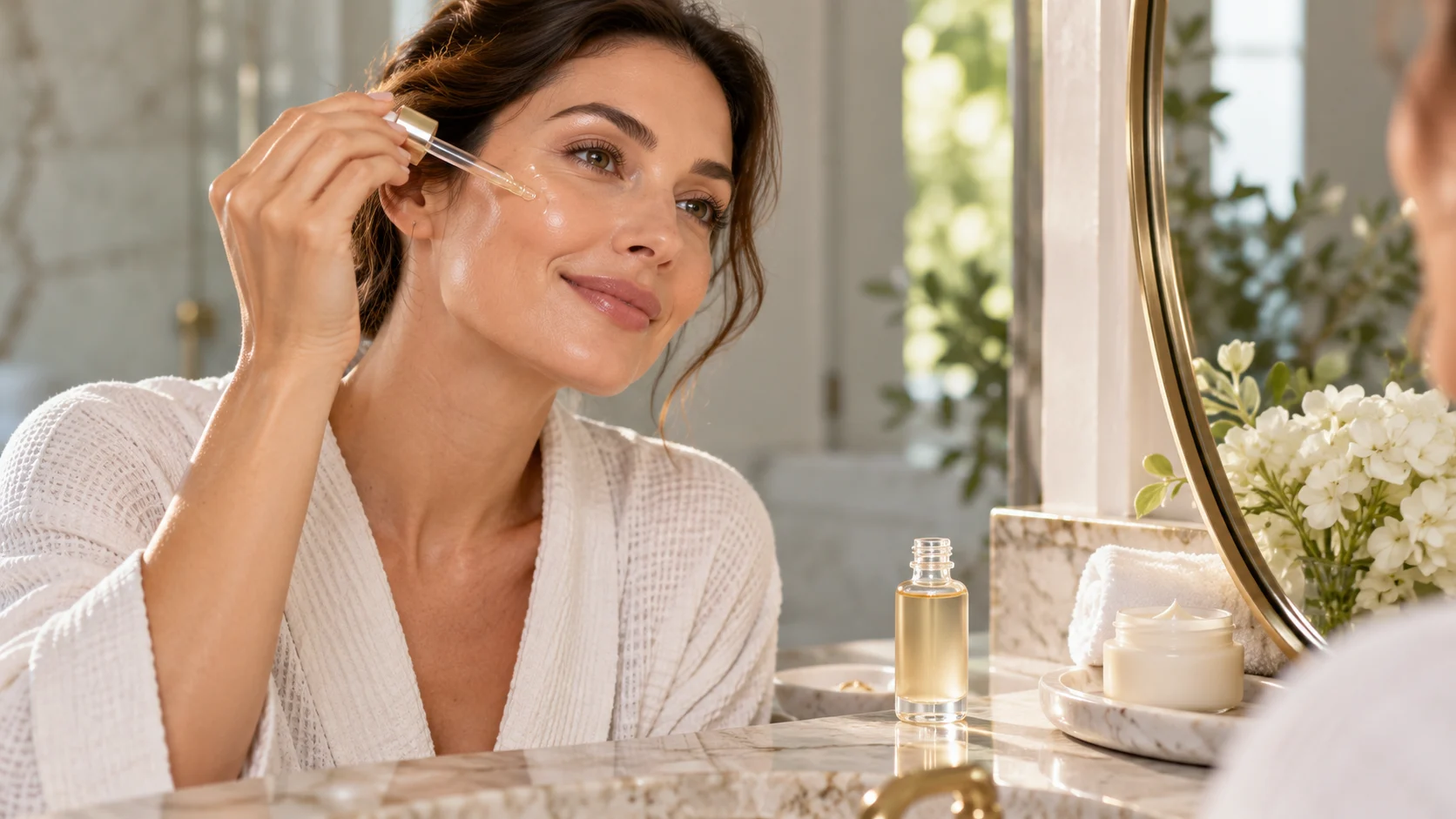
Retinol is one of the most widely discussed ingredients in modern skincare because of its ability to support skin renewal, improve uneven texture, and reduce the appearance of certain signs of aging. Found in many serums, creams, and moisturizers, retinol belongs to the vitamin A family and has become a popular ingredient in skincare routines. However, understanding how it works is important before introducing it into your daily skincare regimen.
Many people are interested in retinol because it can help manage acne, improve skin smoothness, and address concerns such as fine lines and uneven skin tone. Despite these potential benefits, retinol can also cause dryness, irritation, and increased sensitivity when used incorrectly. Choosing an appropriate formulation and introducing it gradually can help improve tolerability.
In this guide, you will learn what retinol is, how it works, its potential benefits, and how to use it safely. We will also explore different retinol concentrations, possible side effects, skincare ingredient combinations, and common mistakes to avoid when creating a balanced skincare routine.
What Is Retinol in Skincare?
Retinol is a form of vitamin A commonly used in skincare products to support skin cell turnover and improve certain skin concerns. It belongs to a larger family of compounds known as retinoids. These ingredients influence processes involved in skin renewal and maintenance. Retinol is available in various over-the-counter formulations, including serums, lotions, and facial creams.
Unlike some prescription retinoids, retinol must undergo conversion within the skin before becoming biologically active retinoic acid. This conversion process influences its potency and how quickly visible improvements may occur. Retinol products are generally less potent than prescription tretinoin, although irritation remains possible. Product formulation and individual skin response also affect overall performance.
Retinol is commonly included in skincare routines addressing acne, uneven texture, fine lines, and discoloration. However, it is not essential for everyone, and results vary according to individual needs. Some people benefit from simpler routines that emphasize cleansing, moisturizing, and sun protection. Understanding the ingredient helps determine whether it is appropriate for your particular skin concerns.
How Does Retinol Work on Your Skin?
Retinol works through biological processes involving vitamin A derivatives and receptors within the skin. After conversion into active retinoic acid, it influences how skin cells develop and renew themselves. These processes can gradually improve certain aspects of texture and appearance. However, visible results generally develop over time rather than immediately after application.
Retinoids can also influence collagen-related activity in the skin, which is relevant to changes associated with sun exposure and aging. Consistent use of an appropriate product may gradually improve the appearance of fine lines. The extent of improvement depends on formulation, concentration, and individual response. Retinol does not provide instant or permanent changes to skin structure.
For acne-prone skin, retinoid activity can help reduce the formation of clogged pores. This may support clearer-looking skin when the treatment is suitable and used consistently. However, retinol is not interchangeable with every prescription acne medication. People experiencing persistent acne may benefit from professional guidance to identify the most appropriate treatment.
Benefits of Retinol for Skin Health
Retinol has several potential skincare benefits, including improving uneven texture and supporting the management of certain acne concerns. Its influence on skin cell renewal can help address roughness and irregular surface appearance over time. Some formulations may also improve the appearance of fine lines. However, results are gradual and differ between individuals.
Another potential benefit involves improving the appearance of certain forms of uneven pigmentation. Retinol may support a more even-looking complexion when used consistently alongside appropriate sun protection. It is not a replacement for medical treatment when discoloration has an underlying condition. A dermatologist can help identify suitable options for persistent pigmentation concerns.
Retinol products are available in multiple strengths and textures, allowing skincare routines to be adjusted according to tolerance. Cream-based formulations may feel more comfortable for people who experience dryness. Lightweight serums may suit other preferences. The most beneficial product is not necessarily the strongest one but the one that addresses a genuine concern without causing excessive irritation.
Retinol for Acne and Clogged Pores
Acne can develop when hair follicles become clogged with oil and dead skin cells, sometimes leading to inflammation. Retinoids help regulate processes involved in skin cell turnover and can reduce the formation of certain clogged pores. Retinol may provide benefits for mild acne-related concerns. However, prescription retinoids and adapalene have stronger clinical evidence for treating acne.
Some people notice temporary dryness, peeling, or an apparent increase in breakouts when beginning retinoid skincare. These changes are sometimes described as purging, although not every breakout after using retinol represents this process. Irritation can also contribute to skin problems. Persistent or painful breakouts should not be dismissed as a necessary adjustment.
For people dealing with acne, treatment selection should reflect the severity and type of symptoms. A basic routine with gentle cleansing, moisturizing, and sun protection provides a useful foundation. Additional treatment may require professional assessment, particularly when acne causes discomfort or scarring. Stronger retinol products are not automatically more effective or appropriate.
Retinol for Fine Lines and Uneven Skin Texture
Retinol is often associated with skincare products designed to address visible changes related to aging and sun exposure. Some formulations may improve the appearance of fine lines and uneven texture through their effects on skin renewal. These changes usually require consistent use over several months. The results are generally subtle rather than dramatic.
Skin texture is influenced by many factors, including hydration, environmental exposure, and individual skin characteristics. Retinol may help address certain surface irregularities, but it cannot resolve every cause of roughness. A moisturizer can also improve the appearance and comfort of dry skin. Combining appropriate products with sun protection supports a balanced skincare approach.
It is important to maintain realistic expectations when using retinol for cosmetic concerns. Natural skin texture, pores, and facial lines are normal features rather than problems that everyone needs to correct. Retinol is an optional treatment for people who want to address specific concerns. Healthy skincare should prioritize comfort and protection over achieving unrealistic cosmetic results.
Retinol for Dark Spots and Uneven Skin Tone
Uneven skin tone can develop because of sun exposure, inflammation, acne marks, and other factors affecting pigmentation. Retinol may help improve the appearance of some discoloration by influencing skin renewal processes. However, different pigmentation conditions require different approaches. Identifying the underlying cause is important before selecting treatment.
Dark marks remaining after acne are commonly associated with post-inflammatory hyperpigmentation. Retinoids may be included in treatment plans for this concern, particularly when acne is also present. Improvements often take several months, and irritation can sometimes worsen discoloration. Gentle product introduction is therefore especially important for people prone to post-inflammatory marks.
Daily sun protection plays an essential role in managing many pigmentation concerns. Without suitable protection, ultraviolet exposure can contribute to persistent or recurring discoloration. Retinol should not replace sunscreen or other recommended treatments. People experiencing widespread, changing, or unexplained pigmentation should seek professional advice rather than relying solely on cosmetic products.
How to Choose the Right Retinol Product
Choosing a retinol product begins with identifying your skincare goals and understanding your skin’s sensitivity. Formulations vary in retinol concentration, texture, packaging, and supporting ingredients. Some products combine retinol with moisturizing components designed to improve comfort. Comparing formulations is often more helpful than selecting a product based only on advertising claims.
Retinol concentrations vary considerably between products, and labels do not always describe potency in directly comparable ways. Lower-strength formulations are generally more appropriate for cautious introduction than highly concentrated options. The delivery system and overall formula can also influence irritation. A dermatologist or pharmacist can help explain whether a product is suitable for your needs.
Packaging matters because retinol can be affected by light, oxygen, and storage conditions. Opaque, well-sealed containers may help protect the formulation from unnecessary exposure. Products should be stored according to manufacturer instructions and used within their recommended period. Avoid combining multiple retinoid products unless a healthcare professional specifically recommends doing so.
How to Use Retinol in Your Skincare Routine
Before introducing retinol, review the product instructions and consider whether your skin currently feels irritated or sensitive. A gentle cleanser, moisturizer, and broad-spectrum sunscreen provide a useful skincare foundation. Retinol is typically applied in the evening according to manufacturer guidance. Applying it to clean, dry skin may help reduce unnecessary irritation.
When beginning an appropriate retinol product, gradual introduction can be more comfortable than frequent application immediately. Some adults start with limited weekly use and increase only if their skin tolerates the product. A small amount is generally sufficient for the face, depending on the formulation. Avoid applying more than recommended because excess product can increase irritation.
Moisturizer can help reduce dryness associated with retinol use. Some people apply moisturizer before or after retinol, depending on product guidance and their skin’s tolerance. Avoid applying retinol to broken, sunburned, or significantly irritated skin. If discomfort becomes persistent, stop using the product and seek advice from a healthcare professional.
Should You Use Retinol in the Morning or at Night?
Retinol is commonly recommended for nighttime application because some formulations can be affected by exposure to light. Evening use also makes it easier to establish a consistent routine without layering numerous daytime products. However, specific instructions vary between products. Manufacturer guidance should determine the appropriate application schedule.
Using retinol at night does not eliminate the importance of daytime sun protection. Retinoid products can cause irritation, and protecting skin from ultraviolet exposure remains essential for overall skin health. Broad-spectrum sunscreen, protective clothing, and shade can help reduce sun-related damage. These habits are beneficial whether or not retinol is included in a routine.
Consistency is more important than applying large quantities or frequently changing products. A gentle evening routine can help users recognize how their skin responds over time. If retinol causes redness, burning, or prolonged dryness, continuing without adjustment may worsen discomfort. Professional guidance can help determine whether a different formulation or treatment is preferable.
Can You Use Retinol With Hyaluronic Acid?
Hyaluronic acid is a common moisturizing ingredient that helps attract and retain water within the skin’s outer layers. It is frequently included in serums, creams, and lotions designed to support hydration. Unlike retinol, hyaluronic acid does not primarily target cell turnover. The two ingredients serve different purposes within a skincare routine.
Many skincare formulations combine retinol with hydrating ingredients to improve comfort. Hyaluronic acid may help address temporary dryness associated with certain retinol products. However, additional hydration does not guarantee that irritation will be prevented. Product compatibility and individual response remain important considerations.
A simple moisturizing routine is generally preferable to layering numerous unfamiliar products simultaneously. Introducing one new product at a time makes it easier to identify possible reactions. People with highly sensitive skin may benefit from professional advice before adding active ingredients. The overall goal should be maintaining comfortable skin rather than using as many skincare products as possible.
Retinol and Vitamin C: Understanding the Combination
Vitamin C is a skincare ingredient commonly used for antioxidant support and certain uneven skin tone concerns. Retinol works through different mechanisms involving vitamin A derivatives and skin cell regulation. Both ingredients appear in cosmetic skincare products, but their suitability depends on the formulation and individual needs. Using both is not necessary for everyone.
Some people use vitamin C products during the day and retinol products at night to simplify their routines. However, this arrangement is a preference rather than a universal requirement. Certain formulations can be used together, while others may increase the risk of irritation. Product instructions and skin tolerance should guide decisions.
Introducing multiple active ingredients simultaneously can make it difficult to identify the cause of redness, dryness, or discomfort. A gradual approach allows users to assess each product separately. Sunscreen remains an important part of daytime skincare regardless of whether vitamin C or retinol is used. A dermatologist can recommend an individualized routine when needed.
Retinol vs. Retinoids: What Is the Difference?
Retinoids are a broad category of compounds related to vitamin A, while retinol is one specific member of this group. Other examples include retinaldehyde, adapalene, and tretinoin. These ingredients differ in chemical structure, conversion requirements, potency, and approved applications. Understanding the distinction helps explain why retinoid products are not interchangeable.
Tretinoin is a prescription retinoid used for certain acne and photoaging concerns. Adapalene is another retinoid commonly used for acne treatment and is available without a prescription in some countries and strengths. Retinol is frequently included in cosmetic skincare formulations. The most appropriate option depends on treatment goals, age, skin condition, and local product availability.
Stronger retinoids may offer greater effectiveness for specific conditions but can also cause irritation. Choosing the strongest available ingredient is not always appropriate. A healthcare professional can evaluate medical concerns and recommend suitable treatment options. Cosmetic retinol should be understood as one possible skincare ingredient rather than a universal substitute for prescription medications.
Common Side Effects of Retinol
Retinol can cause dryness, redness, peeling, and a temporary feeling of tightness, particularly when first introduced. These reactions are often related to irritation of the skin barrier. Some people tolerate retinol comfortably, while others experience more noticeable symptoms. Individual sensitivity and product concentration influence the likelihood of discomfort.
Using too much product, applying it too frequently, or combining several irritating ingredients can increase unwanted effects. Burning, persistent redness, or significant peeling should not be considered necessary signs that a product is working. These symptoms may indicate that the formulation is unsuitable or being used too aggressively. Stopping application allows further assessment.
People with eczema, rosacea, or other sensitive skin conditions may need additional caution because retinol can aggravate existing irritation. Retinoids are generally avoided during pregnancy, and medical advice is appropriate when pregnancy or breastfeeding is relevant. A clinician can help determine safer alternatives. Product safety should always take priority over cosmetic goals.
Who Should Avoid or Be Careful With Retinol?
Retinol is not suitable for every person or every skincare concern. Individuals with irritated, sunburned, or damaged skin should avoid introducing products that may worsen discomfort. People with sensitive skin conditions may also need professional guidance before using retinoids. The decision should be based on individual circumstances rather than social media trends.
Children and teenagers generally do not need cosmetic anti-aging retinol products. When acne treatment is necessary, age-appropriate options with established evidence are preferable, ideally selected with professional guidance. A simple routine involving gentle cleansing, moisturizing, and sunscreen may be sufficient for many young people. Strong active ingredients should not be introduced merely because they are popular.
People using prescription acne medicines or other active dermatological treatments should also review potential interactions before adding retinol. Combining similar ingredients can increase dryness and irritation without providing additional benefits. A pharmacist or dermatologist can help identify overlapping treatments. Choosing fewer, well-suited products often produces a more manageable skincare routine.
How Long Does Retinol Take to Show Results?
Retinol generally requires consistent use over time before visible improvements become noticeable. Some people may observe changes in skin texture after several weeks, while other concerns may take a few months. The timeframe depends on formulation, concentration, skin characteristics, and the condition being addressed. Results should not be expected immediately.
Improvement in fine lines or uneven pigmentation often develops more gradually than changes in surface hydration. However, evidence varies between over-the-counter products, and not every formulation produces meaningful results. Consistency can help when the product is well tolerated. Increasing application frequency beyond recommendations does not guarantee faster improvement.
If a product repeatedly causes irritation or fails to address the intended concern, continuing indefinitely may not be useful. A dermatologist can evaluate whether the treatment is appropriate or whether another approach would be more effective. Taking progress photographs is optional and unnecessary for routine skincare. Comfort and skin health are more important than monitoring minor appearance changes.
Common Retinol Mistakes to Avoid
One common mistake is choosing a high-strength retinol product before understanding how the skin responds to active ingredients. Stronger formulations may increase irritation without offering immediate additional benefits. Introducing products cautiously helps establish tolerance. Following instructions is generally more reliable than attempting to accelerate results through frequent applications.
Another mistake is using retinol on already irritated skin or combining it with several harsh exfoliating products. This may increase dryness, peeling, or burning. Fragranced products and aggressive cleansing can also contribute to discomfort in sensitive individuals. A gentle routine supports the skin barrier while minimizing unnecessary exposure to irritating ingredients.
Some people also overlook the importance of sun protection while focusing on cosmetic treatments. Retinol cannot replace sunscreen or reverse every effect of ultraviolet exposure. Applying products inconsistently or changing them too frequently can make results difficult to evaluate. A straightforward skincare routine with realistic expectations is usually easier to maintain.
Conclusion
Retinol is a vitamin A derivative used in skincare to address concerns such as acne, uneven texture, and certain visible signs of photoaging. It works through processes involved in skin cell renewal and can provide gradual improvements when the formulation is suitable. However, its effectiveness varies, and not everyone needs retinol as part of their skincare routine.
Using retinol responsibly involves choosing an appropriate product, following application instructions, and paying attention to skin tolerance. Moisturizers and daily sun protection help support overall skin comfort and health. Persistent irritation, underlying skin conditions, and medical treatment needs may require professional guidance rather than experimenting with stronger products.
The most effective skincare routine is one that supports healthy skin without causing unnecessary discomfort. Retinol can be a useful option for specific concerns, but it is not a requirement for maintaining good skin health. Understanding its benefits, limitations, and possible side effects helps people make informed decisions about whether it belongs in their routine.
Frequently Asked Questions
What Does Retinol Do for Your Skin?
Retinol supports skin cell renewal and may improve certain concerns, including acne, uneven texture, and fine lines. Results depend on product formulation, consistent use, and individual skin tolerance.
Can You Use Retinol Every Day?
Some adults tolerate daily retinol use, but others experience irritation with frequent application. Follow the product instructions and seek professional advice about a suitable schedule, especially when starting treatment.
How Long Does Retinol Take to Work?
Visible changes may take several weeks to months, depending on the concern and product. Improvements in uneven pigmentation or fine lines often develop gradually, and results vary between individuals.
Should You Apply Moisturizer After Retinol?
Moisturizer can help reduce dryness and improve comfort when using retinol. Depending on the product and skin sensitivity, it may be applied before or after retinol according to professional or manufacturer guidance.
Is Retinol Suitable for Sensitive Skin?
Retinol can cause irritation, particularly in sensitive skin. People with eczema, rosacea, or existing irritation should seek professional guidance before use, as alternative products may be more appropriate.




[…] Retinol Explained: Benefits and How to Use It […]