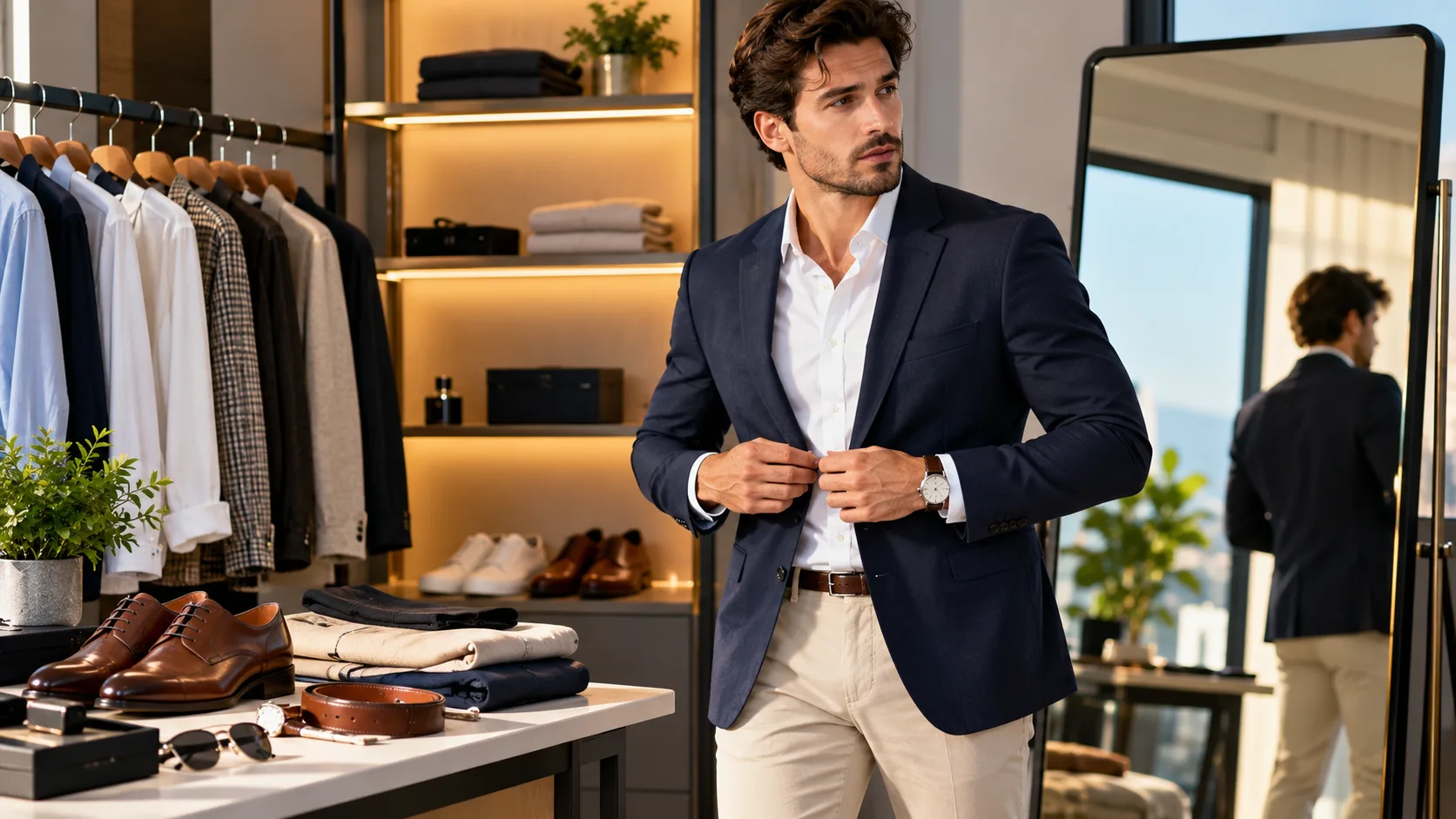
Learning how to dress better is not about wearing expensive designer clothes, copying celebrities, or constantly following fashion trends. It is about understanding your personal style, choosing comfortable clothing, and knowing how to combine different pieces into attractive outfits. With a few practical fashion tips, anyone can create a wardrobe that feels stylish, versatile, and suitable for everyday life.
Dressing well can make daily routines easier while helping you express your personality through clothing. Whether you enjoy casual fashion, smart-casual outfits, minimalist styling, or classic wardrobe essentials, small improvements can make a noticeable difference. Understanding clothing fit, color coordination, layering techniques, and accessories allows you to put together outfits without unnecessary confusion.
This complete guide explains how to dress better using simple styling principles that work across different budgets, preferences, and occasions. You will discover how to organize your wardrobe, choose versatile clothing, avoid common fashion mistakes, and develop a consistent personal style. These practical ideas will help you wear your clothes well while maintaining comfort and individuality.
1. Understand Your Personal Style Before Choosing Clothes
Developing your personal style is one of the most important steps toward learning how to dress better. Your wardrobe should reflect your personality, lifestyle, interests, and everyday activities rather than simply following popular fashion trends. When you understand your clothing preferences, selecting outfits becomes easier and more enjoyable. Personal style also helps you make thoughtful purchases that complement your existing wardrobe.
Begin by identifying clothing combinations, colors, and silhouettes that you naturally enjoy wearing. Some people prefer minimalist fashion with neutral colors, while others appreciate bold prints, relaxed streetwear, or timeless classic outfits. Save a few outfit ideas that inspire you and examine what makes them appealing. This simple exercise can reveal consistent styling preferences without requiring expensive wardrobe changes.
Remember that personal style can evolve as your lifestyle and interests change over time. Experimenting with different outfit combinations allows you to discover new possibilities while maintaining your individual identity. Avoid feeling pressured to adopt every trend or dress exactly like someone else. The most effective fashion choices are those that combine personal expression, practicality, and everyday comfort.
2. Choose Clothes That Fit Comfortably and Properly
Understanding clothing fit can significantly improve how an outfit looks and feels throughout the day. Even beautifully designed garments may not provide the intended appearance when their proportions or sizing do not suit your preferences. Well-fitting clothing supports comfortable movement and creates a balanced overall look. Choosing the right size is often more useful than focusing exclusively on clothing brands or prices.
When shopping for shirts, examine how the shoulder seams, sleeves, and overall length fit your preferred silhouette. For trousers, consider the waistband, inseam, and leg opening while checking whether sitting and walking feel comfortable. Different clothing styles naturally offer different amounts of room and structure. Relaxed, oversized, and tailored fits can all look intentional when their proportions work together.
Small alterations can make existing clothing more comfortable and easier to style. Shortening trousers, adjusting sleeves, or modifying a waistband may improve garments you already own without requiring replacements. However, tailoring is optional, and many ready-to-wear pieces work perfectly well without adjustments. Prioritize clothing that allows you to move naturally while matching the appearance you want to achieve.
3. Build a Versatile Wardrobe With Essential Clothing Pieces
A versatile wardrobe makes dressing better easier because different clothing items can work together in multiple combinations. Instead of purchasing numerous unrelated pieces, focus on garments that suit your lifestyle and coordinate with clothes you already own. This approach simplifies outfit planning and reduces unnecessary spending. A practical collection of wardrobe essentials can support both casual and more polished outfits.
Useful clothing staples may include comfortable jeans, plain T-shirts, button-down shirts, tailored trousers, casual jackets, and versatile knitwear. The exact pieces depend on your climate, daily routine, and personal preferences. Choose colors and styles that can be combined without much effort. For example, a simple shirt can work with jeans, trousers, or layered outfits depending on the occasion.
Building a functional wardrobe does not mean eliminating colorful clothing or unique statement pieces. Instead, create a reliable foundation that makes your favorite fashion items easier to wear. A smaller collection of frequently used garments can offer more outfit possibilities than a crowded closet filled with disconnected purchases. Focus on usefulness, versatility, and personal enjoyment when selecting wardrobe basics.
4. Learn How to Match Clothing Colors Effectively
Color coordination plays an important role in creating attractive and balanced outfits. Understanding how different shades work together can make everyday clothing combinations appear more intentional. You do not need advanced fashion knowledge to coordinate colors successfully. Starting with a few simple color combinations makes outfit planning easier while leaving room for creativity and experimentation.
Neutral shades such as black, white, navy, gray, beige, and brown offer flexible foundations for many outfits. These colors often coordinate easily with both muted and vibrant clothing pieces. For example, navy trousers can complement white shirts, beige knitwear, or colorful tops. Using neutral garments as a starting point allows you to experiment with brighter shades without feeling overwhelmed.
You can also create visual interest by combining different shades from the same color family. A light blue shirt with darker blue trousers creates a coordinated monochromatic outfit. Alternatively, a colorful accessory can add personality to an otherwise simple combination. Rather than following strict fashion rules, experiment with combinations that feel appealing and appropriate for your preferred style.
5. Master Layering Techniques for Better Everyday Outfits
Layering is a useful styling technique that adds flexibility, texture, and visual interest to everyday clothing. Combining garments such as T-shirts, shirts, sweaters, and jackets allows you to adjust your outfit throughout the day. It is especially practical during changing weather conditions. Thoughtful layering can also make familiar wardrobe pieces feel different without requiring new purchases.
Begin with a comfortable base layer that works well with additional clothing. A plain T-shirt underneath an open button-down shirt creates an easy casual outfit, while a lightweight sweater over a collared shirt offers a polished alternative. Jackets and cardigans can provide another layer when needed. Consider the thickness and length of each piece to maintain comfortable movement.
Mixing textures can make layered outfits feel more interesting and thoughtfully coordinated. For example, denim works well with cotton, while knitted fabrics can complement structured jackets or smooth trousers. Avoid adding unnecessary layers simply to make an outfit appear fashionable. The best combinations balance your preferred appearance with comfort, practicality, and the weather conditions around you.
6. Understand Outfit Proportions and Clothing Combinations
Outfit proportions describe how the shapes, lengths, and volumes of different garments work together. Understanding this concept helps you combine clothing intentionally rather than relying on random outfit choices. Different proportions can create relaxed, structured, or dramatic visual effects. None of these approaches is universally better because successful styling depends on the appearance you want to achieve.
For a streamlined outfit, you might combine a relaxed shirt with straight-leg trousers and simple shoes. Alternatively, oversized tops with wide-leg trousers can create a coordinated contemporary look. Cropped jackets, longer shirts, and different trouser rises also change the overall appearance of an outfit. Experimenting with these combinations helps you understand which styling approaches you personally enjoy.
Photographing a few outfit combinations can make comparing different proportions easier without relying on memory. Notice how changing one garment affects the overall styling, movement, and practicality of the outfit. You may discover that certain combinations work especially well for school, work, social activities, or casual weekends. Use these observations as helpful references rather than strict fashion restrictions.
7. Choose Fabrics and Textures That Suit Your Lifestyle
Fabric selection influences how clothing feels, moves, and performs during daily activities. Different materials offer different levels of softness, breathability, warmth, stretch, and durability. Understanding these characteristics can help you make more practical wardrobe decisions. Choosing suitable fabrics is especially useful when dressing for seasonal changes, long days, or activities that require comfortable movement.
Cotton is commonly used in casual clothing because it can feel soft and breathable, although its performance depends on the fabric construction. Linen is another popular option for warm weather, while wool and fleece are useful in cooler conditions. Synthetic fabrics may offer stretch, durability, or moisture-management benefits. Always consider garment construction and care requirements alongside the material name.
Combining different textures can also improve the visual interest of simple outfits. A cotton shirt with denim trousers creates a familiar casual combination, while knitted layers can add softness to structured clothing. Smooth and textured fabrics can complement each other without complicated styling techniques. Focus on materials that suit your environment, comfort preferences, and clothing maintenance routine.
8. Dress Appropriately for Different Occasions
Knowing how to dress for different occasions is an important part of developing a versatile personal style. Clothing that works for a casual afternoon may not match the expectations of a formal event or professional environment. Understanding the setting helps you choose suitable outfits while still expressing your individuality. Consider comfort, weather, activities, and any relevant dress guidelines.
For everyday casual clothing, comfortable jeans, relaxed trousers, T-shirts, sweaters, and simple sneakers are practical options. Smart-casual occasions may call for chinos, neat shirts, structured jackets, or polished footwear. Formal events often have more specific expectations involving suits, dresses, or other traditional attire. The most useful approach is understanding what the event requires before selecting your clothing.
Preparing outfits in advance can make special occasions less stressful and prevent rushed decisions. Check whether your garments are clean, comfortable, and appropriate for the planned activities. Trying an outfit beforehand also helps you identify practical concerns involving footwear, layering, or movement. A little preparation allows you to focus on enjoying the occasion rather than repeatedly adjusting your clothes.
9. Use Accessories to Improve Simple Outfits
Accessories are an easy way to introduce personality and variety into your wardrobe. Items such as watches, belts, scarves, hats, bags, and jewelry can complement everyday clothing without changing the entire outfit. The right accessories often help connect different colors or styling elements. They also provide opportunities to experiment with fashion while continuing to wear familiar garments.
Start with accessories that serve practical purposes and suit your daily routine. A functional bag, comfortable belt, or weather-appropriate scarf can improve convenience while contributing to your personal style. Jewelry and watches can provide subtle details, while colorful accessories can become focal points. Choose pieces based on preference rather than assuming that every outfit requires additional decoration.
When styling accessories, consider how they interact with the rest of your clothing. A patterned scarf can add interest to a plain jacket, while a simple bag may complement a more detailed outfit. You can also repeat colors or materials to create visual consistency. There is no fixed number of accessories required for dressing well, so experiment with different combinations.
10. Pay Attention to Shoes and Footwear Choices
Footwear plays an important role in both the appearance and practicality of an outfit. Shoes influence how comfortably you walk, stand, and move during everyday activities. Different footwear styles can also change the overall mood of similar clothing combinations. Selecting suitable shoes helps you prepare for specific occasions without sacrificing personal comfort or practical needs.
Clean sneakers can complement casual jeans, relaxed trousers, or contemporary smart-casual outfits. Loafers, flats, boots, and other footwear styles offer alternatives depending on the weather and occasion. Choose shoes that provide enough room and support for your activities. Consider the surfaces you will walk on and how long you expect to wear them before making decisions.
You do not need an extensive shoe collection to create different outfits. A few comfortable pairs suited to your routine can cover many everyday situations. Maintaining footwear through regular cleaning and appropriate storage also helps it remain useful for longer. Rather than prioritizing appearance alone, look for shoes that combine practical performance with your preferred clothing style.
11. Keep Your Clothes Clean and Well Maintained
Clothing maintenance is one of the simplest ways to keep everyday outfits looking neat. Clean garments, appropriate storage, and regular care can improve how clothing performs over time. Even a carefully coordinated outfit may become uncomfortable or less practical when garments are poorly maintained. Developing a straightforward clothing-care routine makes dressing well easier without requiring expensive products.
Follow garment care labels when washing, drying, ironing, or steaming clothing. Some fabrics require gentle washing, lower temperatures, or air drying to maintain their shape and appearance. Removing stains promptly and allowing garments to dry properly can also help preserve them. Organizing clean clothing separately from items that need washing makes daily outfit selection more convenient.
Simple repairs can extend the usefulness of clothing you already enjoy wearing. Replacing loose buttons, repairing small seams, and maintaining zippers may prevent unnecessary replacements. Store frequently worn garments where they remain accessible, and organize seasonal pieces when appropriate. Caring for your wardrobe supports practical, sustainable clothing habits while keeping your favorite outfits ready for regular use.
12. Shop Smarter and Develop Better Fashion Habits
Learning how to dress better does not require frequent shopping or purchasing expensive brands. Thoughtful buying decisions often provide better results than collecting clothing without considering its purpose. Before making a purchase, think about how the item fits your wardrobe and whether you will enjoy wearing it. This habit helps you build a more useful clothing collection.
Consider whether a new garment can work with several pieces you already own. Check the fabric, construction, comfort, washing instructions, and return policy before deciding. Sales and promotional discounts can be useful, but they do not automatically make an unnecessary purchase worthwhile. Setting a realistic clothing budget can also help you prioritize essential replacements and meaningful additions.
Secondhand stores, clothing swaps, and repairing existing garments can provide affordable alternatives to buying everything new. Taking time to compare options often leads to more satisfying decisions than shopping impulsively. As your wardrobe becomes more coordinated, you may find that creating stylish outfits requires fewer purchases. Focus on developing useful fashion habits rather than constantly expanding your clothing collection.
Conclusion
Learning how to dress better begins with understanding your personal preferences and developing practical styling habits. Clothing fit, color combinations, layering, and thoughtful accessories can all contribute to a more coordinated wardrobe. You do not need to follow every fashion trend or invest in expensive brands to dress well. Consistent choices based on comfort and personal expression can make everyday styling much easier.
Building a versatile wardrobe also helps simplify outfit planning and encourages more thoughtful shopping decisions. Selecting useful essentials, maintaining your garments, and experimenting with different combinations can make existing clothing feel more interesting. Paying attention to occasion, fabric, and footwear ensures your outfits remain practical. Over time, these small habits can create a reliable approach to everyday dressing.
Ultimately, dressing well is about wearing clothing that supports your lifestyle and reflects who you are. Fashion should provide opportunities for creativity and expression rather than becoming a source of unnecessary pressure. Experiment with new combinations, keep the ideas that work, and adjust your wardrobe as your preferences evolve. The best personal style is one you genuinely enjoy wearing.
Frequently Asked Questions (FAQs)
1. How can I dress better without spending much money?
Start by combining clothes you already own in different ways. Focus on comfortable fits, simple color coordination, clean garments, and versatile accessories. Secondhand shopping and basic clothing repairs can also help.
2. What are the basic rules for dressing well?
Choose clothing that fits comfortably, suits the occasion, and reflects your personal preferences. Coordinate colors thoughtfully, consider proportions, and maintain your garments. Treat fashion guidelines as useful starting points rather than strict requirements.
3. How can I make simple outfits look more stylish?
Try layering different textures, adding a favorite accessory, or experimenting with footwear. Small changes such as cuffing sleeves or combining complementary colors can make basic outfits feel fresh and intentional.
4. How do I find my personal fashion style?
Explore outfit inspiration, identify clothes you enjoy wearing, and experiment with different combinations. Pay attention to comfort, practicality, and recurring preferences. Your personal style can naturally change as your interests and lifestyle evolve.
5. What clothes should everyone have in their wardrobe?
Useful wardrobe basics often include comfortable trousers, versatile tops, practical outerwear, and suitable footwear. The ideal selection depends on climate, lifestyle, and personal preference. Choose pieces you can combine and wear regularly.


[…] How to dress better: How to Wear It Well […]