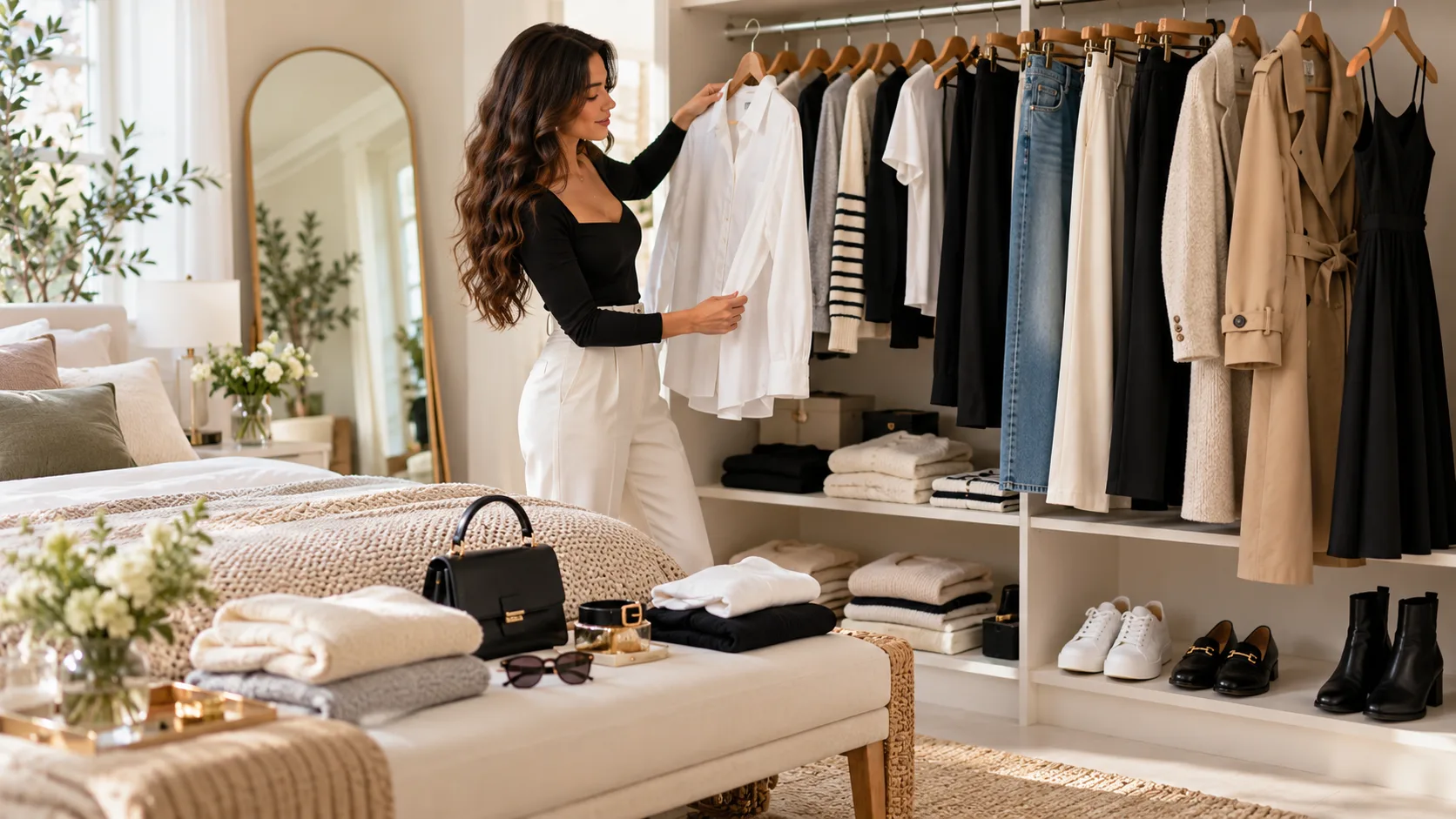
What Are Fashion Wardrobe Essentials and Why Do They Matter?
Fashion wardrobe essentials are versatile clothing pieces that form the foundation of a practical and functional personal wardrobe. These items can be styled in different combinations, making everyday dressing simpler and more convenient. Instead of purchasing clothing for every new trend, focusing on reliable basics helps you build a collection that supports your lifestyle, preferences, and daily activities.
A well-planned wardrobe usually includes comfortable tops, dependable bottoms, suitable footwear, and practical layering pieces. The exact essentials vary depending on climate, work requirements, personal style, and cultural preferences. What matters most is choosing clothing that feels comfortable, works together, and provides enough variety for different occasions without requiring unnecessary purchases.
For beginners, understanding fashion wardrobe essentials can make shopping decisions more manageable and reduce frustration when choosing outfits. A thoughtful clothing collection also makes it easier to identify missing pieces and avoid buying duplicates. Whether you prefer casual clothing, professional outfits, or a mixture of styles, wardrobe planning provides a useful starting point.
Start by Understanding Your Personal Style
Before building a wardrobe, consider the clothing you already enjoy wearing and the situations you dress for most frequently. Your personal style may lean toward casual, classic, minimalist, colorful, or a combination of different influences. Recognizing these preferences helps you choose essentials that feel authentic rather than copying a particular fashion trend.
Look through your existing wardrobe and identify items you wear regularly. Notice which fabrics, colors, and silhouettes feel comfortable and suit your daily routine. You can also create a small collection of outfit ideas that reflect your preferences, using them as inspiration rather than strict rules for how you should dress.
Personal style can change as your interests, responsibilities, and circumstances develop. There is no requirement to follow one fashion aesthetic or replace your entire wardrobe at once. A practical approach involves experimenting with combinations, keeping clothing you genuinely enjoy, and gradually introducing pieces that complement your existing collection.
Basic T-Shirts Every Beginner Wardrobe Needs
Basic T-shirts are among the most useful fashion wardrobe essentials because they work with numerous outfits and occasions. A comfortable T-shirt can be worn with jeans, trousers, skirts, or layered beneath a jacket. Simple designs are particularly easy to combine with other clothing, making them practical additions to a beginner-friendly collection.
Neutral shades such as white, black, gray, navy, and beige offer flexible styling options. However, your wardrobe does not need to rely entirely on neutral colors if brighter shades better reflect your preferences. Choosing a few reliable colors that coordinate with existing bottoms can make outfit planning easier without limiting your creativity.
When selecting everyday T-shirts, pay attention to fabric comfort, stitching, and care instructions. Cotton and cotton-blend fabrics are common choices, although different materials may suit different climates and activities. Rather than purchasing many similar shirts immediately, begin with a manageable selection and expand only when your routine shows a genuine need.
Button-Down Shirts for Casual and Smart Outfits
Button-down shirts are practical wardrobe staples because they can transition between relaxed and more polished settings. They can be worn with trousers for professional environments or paired with jeans for everyday activities. Depending on the fabric and design, a button-down shirt can also work as a lightweight layering piece over a simple top.
Solid colors and subtle patterns are often convenient starting points for beginners. White, light blue, and muted shades can coordinate with different bottoms, while stripes or checks introduce visual variety. Choose designs that suit your preferred clothing style rather than feeling obligated to purchase traditional office shirts if they do not match your lifestyle.
Fabric selection also affects how a shirt looks and feels throughout the day. Cotton, linen, and blended materials offer different levels of breathability, structure, and maintenance requirements. Consider whether you prefer clothing that needs ironing or simpler care, since practical maintenance can influence how frequently an item becomes part of your outfits.
Everyday Jeans and Comfortable Denim Essentials
Jeans are a familiar wardrobe staple because they can be combined with casual tops, sweaters, jackets, and many types of footwear. Different denim washes and designs create opportunities for varied outfits without requiring an extensive collection. For beginners, choosing jeans that feel comfortable and work with existing clothing is more important than following changing denim trends.
Dark-wash jeans can offer a polished appearance for casual settings, while lighter washes often create a more relaxed look. Straight-leg, relaxed, and other denim styles provide different movement and styling options. Select the design that supports your comfort and personal preferences rather than treating any particular silhouette as universally necessary.
Quality denim should allow comfortable movement during everyday activities. Check the fabric composition, stitching, and washing instructions before purchasing. A small collection of frequently worn jeans is often more practical than owning numerous pairs that serve nearly identical purposes or rarely fit the situations you encounter.
Versatile Trousers for Different Occasions
Trousers are another important part of a functional wardrobe because they offer alternatives to denim. Casual chinos, structured trousers, and comfortable wide-leg options can suit different environments and personal preferences. Having a few appropriate choices makes it easier to create outfits for work, social events, travel, and ordinary daily activities.
Neutral trousers are often convenient because they coordinate with a wide range of shirts and layering pieces. Navy, charcoal, brown, beige, and black can provide flexible styling possibilities. However, colorful trousers can work equally well when they match the rest of your wardrobe and reflect your preferred aesthetic.
When choosing trousers, consider the waistband, fabric, movement, and maintenance needs. Some materials provide a structured appearance, while others prioritize softness and flexibility. Select clothing that suits the activities you perform regularly, since trousers that remain comfortable throughout the day are more likely to become dependable wardrobe essentials.
Sweaters and Cardigans for Comfortable Layering
Sweaters and cardigans are useful clothing essentials for cooler weather, air-conditioned environments, and transitional seasons. They provide an additional layer while allowing you to adjust your outfit according to temperature changes. A simple sweater can be paired with jeans or trousers, while a cardigan offers flexibility when you want an easily removable layer.
Lightweight knitwear works well during mild weather, while thicker materials may provide greater warmth in colder conditions. Cotton, wool, and synthetic blends each offer different characteristics regarding softness, insulation, and care. Consider your local climate and personal comfort when deciding which materials and styles make sense for your wardrobe.
Cardigans can also add variety to everyday outfits without requiring entirely new clothing combinations. Wearing one over a T-shirt or button-down shirt creates a different appearance using pieces you already own. Choose knitwear that coordinates with your preferred outfits and can be maintained easily according to its care instructions.
Jackets and Outerwear Worth Having
Outerwear is an important wardrobe category because it provides protection from seasonal weather while adding practical layering options. Depending on your climate, useful choices may include a denim jacket, lightweight windbreaker, rain jacket, or insulated coat. Not every wardrobe requires all these pieces, so local weather should guide your decisions.
A lightweight jacket is convenient for mild evenings and changing temperatures. More structured outerwear may suit professional or formal situations, while waterproof clothing is particularly useful in rainy regions. Choosing an appropriate jacket involves balancing comfort, durability, maintenance, and compatibility with the clothing you wear most often.
When shopping for outerwear, consider whether the garment provides enough room for comfortable layering. Functional features such as secure pockets, adjustable closures, and suitable weather protection can improve everyday usefulness. Investing thoughtfully in outerwear that matches your climate may provide greater value than purchasing several decorative jackets with limited practical use.
Comfortable Footwear for an Everyday Wardrobe
Footwear plays an important role in wardrobe planning because different activities require different levels of support and protection. Comfortable everyday shoes, weather-appropriate footwear, and suitable options for special occasions may cover most needs. The ideal selection depends on how much you walk, your daily environment, and the activities you regularly perform.
Casual sneakers are versatile choices for many everyday outfits and can be worn with jeans, trousers, or relaxed clothing. Other useful options may include loafers, boots, sandals, or formal shoes. Rather than following a fixed footwear checklist, identify which categories support your routine and match the clothing you already own.
Comfort and practical construction should guide footwear purchases. Look for appropriate sizing, sufficient support for your activities, and materials suited to local weather. Taking care of shoes through regular cleaning and proper storage can also help maintain their appearance and extend their useful life.
Dresses, Skirts, and Alternative Wardrobe Staples
Dresses and skirts can be valuable wardrobe essentials for people who enjoy wearing them. They offer additional outfit combinations and may suit everyday activities, professional settings, or special occasions. The most practical choices depend on personal style, comfort, climate, and the clothing requirements of the environments you regularly visit.
A simple dress can be styled with different shoes, jackets, or accessories to create several outfits. Similarly, skirts can be paired with T-shirts, knitwear, or button-down shirts depending on the occasion. Choosing versatile designs makes it possible to create variety without purchasing entirely separate outfits for every event.
Wardrobe planning should also accommodate traditional, cultural, and modest clothing preferences. Tunics, long shirts, coordinated sets, and other garments may serve as important everyday essentials. Building a wardrobe around your actual clothing habits creates a more useful collection than following a generic checklist that does not reflect your lifestyle.
Essential Accessories That Complete Everyday Outfits
Accessories can make simple outfits feel more varied without requiring additional clothing purchases. Practical options include belts, scarves, watches, hats, and bags that support everyday needs. Small details can change the overall appearance of an outfit while allowing you to continue using the same reliable wardrobe basics.
A versatile everyday bag is particularly useful for carrying personal belongings, school supplies, work materials, or travel essentials. Consider the size, compartments, comfort, and durability required for your routine. Accessories that serve a practical purpose often provide more consistent value than items purchased only because they are temporarily fashionable.
Scarves, jewelry, and other decorative pieces can express personal creativity through color, texture, and design. Choose accessories that complement your preferred clothing combinations and feel comfortable to wear. There is no need to collect every popular accessory, since a few meaningful choices can provide plenty of styling variety.
Choosing the Right Colors for a Versatile Wardrobe
A coordinated color palette can make outfit planning simpler because more clothing pieces work together naturally. Many beginners start with a few neutral shades and add colors they genuinely enjoy wearing. This approach creates flexibility while allowing personal expression rather than requiring every garment to match a particular minimalist aesthetic.
For example, navy, black, cream, and brown can provide a foundation for numerous combinations. Accent colors such as green, burgundy, blue, or yellow can introduce personality through shirts, accessories, and layering pieces. The exact palette is entirely personal, so choose shades that appeal to you and suit your existing collection.
Before buying something new, consider whether you can combine it with several pieces you already own. This simple habit helps reduce purchases that are difficult to style. A coordinated wardrobe does not require identical colors or strict matching rules; it simply benefits from enough compatibility to make everyday outfit choices convenient.
How to Choose Quality Clothing Without Overspending
Building a practical wardrobe does not require purchasing expensive designer clothing. Quality involves factors such as suitable construction, comfortable fabric, reliable stitching, and reasonable durability. An affordable garment that suits your daily needs and receives proper care may provide excellent value compared with a costly item that rarely gets worn.
Before purchasing, examine seams, closures, fabric feel, and washing instructions whenever possible. Check whether the garment works with your existing clothing and meets a genuine need. These considerations can prevent unnecessary purchases and help you focus on items likely to remain useful over time rather than short-lived trends.
Shopping during sales, exploring secondhand clothing, and comparing alternatives can help manage wardrobe expenses. However, discounts should not become a reason to buy items you do not need. Setting a realistic budget and prioritizing frequently worn essentials creates a more sustainable approach to developing your clothing collection.
Building a Beginner Capsule Wardrobe
A capsule wardrobe is a smaller collection of clothing selected for versatility and compatibility. The concept focuses on creating multiple outfits from a manageable number of garments rather than maintaining an extensive wardrobe. Beginners often find this approach useful because it simplifies organization and encourages more thoughtful clothing decisions.
To begin, identify the clothing categories you wear most frequently, including tops, bottoms, footwear, and outerwear. Choose pieces that can be combined in several ways while accommodating your normal activities. There is no universal number of garments required for a capsule wardrobe, so the collection should reflect personal circumstances.
You can gradually refine the capsule by noticing which pieces receive regular use and which remain untouched. Seasonal changes may require introducing different fabrics, layers, or weather protection. A flexible capsule wardrobe should make everyday dressing easier without restricting personal creativity or requiring you to discard clothing you already enjoy.
Organizing Your Wardrobe for Easy Outfit Planning
Wardrobe organization can improve everyday convenience by making clothing easier to find and maintain. Start by grouping garments into practical categories such as everyday tops, bottoms, outerwear, and special-occasion clothing. This approach helps you understand what you already own and identify categories that may need attention.
Consider arranging frequently worn clothing where it is easy to access. Seasonal pieces can be stored separately when they are not needed, while delicate items may require folding or protective storage. Using suitable hangers, drawers, and containers can help maintain garment condition and reduce unnecessary clutter.
Regularly reviewing your wardrobe also provides an opportunity to repair, donate, or responsibly recycle clothing that no longer serves your needs. Avoid discarding useful garments simply because trends have changed. A well-organized wardrobe should support convenient dressing while helping you make better use of the clothing you already own.
Common Wardrobe Building Mistakes to Avoid
One common mistake is buying numerous clothing pieces before understanding personal preferences and everyday requirements. This can result in a wardrobe containing attractive individual garments that rarely work together. Beginning with existing favorites and gradually filling practical gaps often produces a more functional collection than making many purchases at once.
Another mistake involves prioritizing trends over comfort, usefulness, and maintenance requirements. Fashion trends can be enjoyable sources of inspiration, but not every popular item will suit your routine. Choosing garments because they genuinely appeal to you can make your wardrobe more satisfying while reducing purchases that quickly lose their usefulness.
Some beginners also overlook fabric care and storage when selecting clothing. Garments requiring complicated maintenance may become inconvenient if they do not fit your schedule. Reading care labels, choosing practical materials, and learning basic clothing repairs can help maintain wardrobe quality without increasing unnecessary spending.
How to Create Outfits Using Wardrobe Essentials
Creating everyday outfits becomes easier when your wardrobe contains clothing that works well together. A basic T-shirt can be paired with jeans and sneakers for a relaxed look, while adding a cardigan provides extra warmth. Changing one or two pieces allows the same clothing foundation to suit different environments and activities.
For slightly more polished settings, combine a button-down shirt with comfortable trousers and suitable footwear. A lightweight jacket or structured layer can provide additional versatility when needed. These combinations demonstrate how practical clothing pieces can create different appearances without requiring a completely new outfit for every occasion.
Experimenting with accessories, colors, and layers can help you discover combinations that reflect your preferences. You might organize a few reliable outfits for busy mornings while leaving room for creativity on other days. The purpose of wardrobe essentials is to provide convenient options rather than limit how you express your personal style.
Maintaining Your Wardrobe for Long-Term Use
Proper garment care helps keep wardrobe essentials comfortable and usable for longer periods. Always check care labels before washing, drying, or ironing clothing because fabric requirements differ. Following appropriate care instructions can reduce avoidable damage, fading, and changes in garment condition while maintaining the appearance of frequently worn pieces.
Regular maintenance also includes repairing small problems before they become more significant. Replacing loose buttons, addressing minor seam damage, and cleaning footwear can extend the usefulness of existing items. These habits may reduce the need for frequent replacements and help you maintain a dependable wardrobe without unnecessary purchases.
Storage conditions matter as well, particularly for seasonal clothing and delicate materials. Keep garments clean and dry before storing them, and use suitable containers or hangers where appropriate. A simple routine of cleaning, organizing, and repairing clothing can support long-term wardrobe functionality while encouraging more thoughtful consumption.
Conclusion
Fashion wardrobe essentials provide a practical foundation for everyday dressing by emphasizing versatility, comfort, and personal preferences. Reliable tops, suitable bottoms, comfortable footwear, and appropriate layers can support numerous outfit combinations. The goal is not to follow a universal fashion checklist but to create a clothing collection that suits your individual lifestyle.
Beginners can build a functional wardrobe gradually by reviewing existing garments and identifying genuine clothing needs. Choosing compatible colors, considering fabric quality, and avoiding unnecessary purchases can make shopping decisions more manageable. Organizing and maintaining clothing also helps extend its usefulness while keeping everyday outfit planning convenient.
A successful wardrobe should evolve naturally as your interests, activities, and circumstances change. Experiment with different combinations, keep pieces you enjoy, and introduce new items thoughtfully. With a flexible approach, fashion wardrobe essentials can help you develop a practical clothing collection that supports both convenience and personal expression.
Frequently Asked Questions (FAQs)
1. What are the most important fashion wardrobe essentials?
Common wardrobe essentials include comfortable T-shirts, versatile shirts, jeans, trousers, appropriate footwear, and seasonal outerwear. The best selection depends on your lifestyle, local climate, personal preferences, and everyday clothing requirements.
2. How do I start building a wardrobe as a beginner?
Begin by reviewing your existing clothing and identifying items you wear regularly. Choose a few versatile pieces that work together, prioritize comfort, and gradually purchase additional clothing when genuine needs become clear.
3. How many clothes should a basic wardrobe have?
There is no universal number of clothing items required for a functional wardrobe. Your ideal collection depends on laundry frequency, climate, personal style, and the different activities or occasions you dress for.
4. What colors are best for a beginner wardrobe?
Neutral colors such as black, navy, gray, beige, and white are often easy to combine. However, including favorite accent colors can make your wardrobe more personal while maintaining practical outfit flexibility.
5. Can I build a fashionable wardrobe on a budget?
Yes, a practical wardrobe can be created without expensive clothing. Focus on useful essentials, compare quality, explore secondhand options, and maintain existing garments to reduce unnecessary purchases and long-term costs.