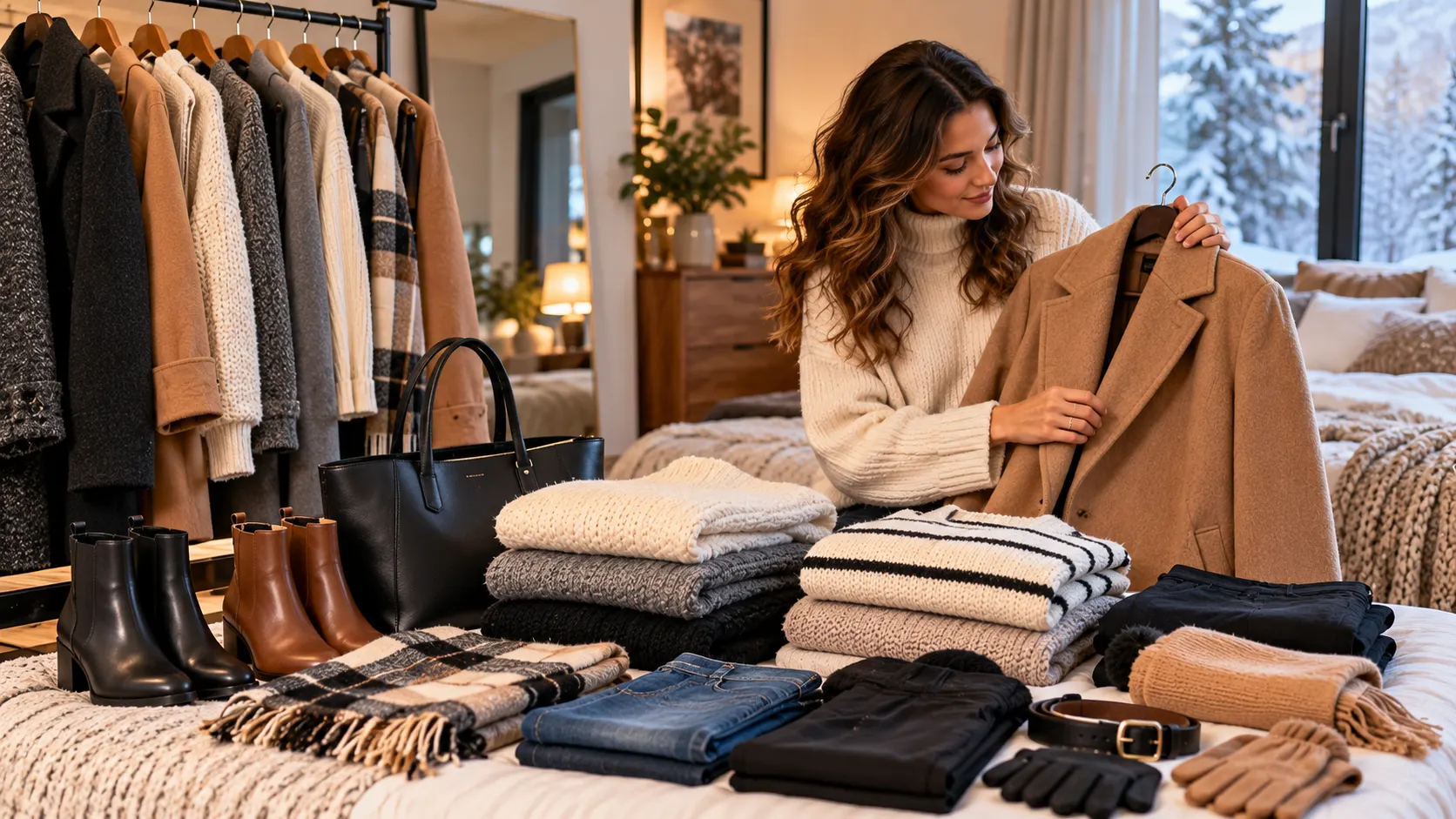
What Is a Winter Capsule Wardrobe?
A winter capsule wardrobe is a carefully selected collection of clothing that helps you create multiple outfits using a manageable number of versatile pieces. It focuses on practical layering, comfortable fabrics, and clothing that works well together throughout the colder months. Instead of buying new outfits for every occasion, you can combine existing essentials to create different looks.
The idea behind a winter capsule wardrobe is to make everyday dressing easier without sacrificing comfort or personal style. A thoughtfully organized collection usually includes winter coats, sweaters, trousers, jeans, layering tops, and suitable footwear. Choosing items that complement one another helps reduce outfit planning time while making better use of the clothes you already own.
Building a capsule wardrobe does not mean following strict fashion rules or limiting yourself to a fixed number of items. Your ideal collection depends on local weather, daily activities, personal preferences, and available clothing. By starting with practical essentials and gradually refining your selections, you can develop a winter wardrobe that feels comfortable, flexible, and easy to maintain.
Why You Should Build a Winter Capsule Wardrobe
A winter capsule wardrobe can simplify your daily routine by making outfit combinations easier to plan. When clothing items coordinate naturally, you spend less time deciding what to wear before work, school, or casual outings. This approach creates a practical collection of familiar pieces that can be styled differently according to the occasion.
Another advantage is the opportunity to make more intentional clothing purchases. Rather than buying something simply because it looks attractive in a store, you can consider whether it complements your existing wardrobe. This thoughtful approach may help reduce unnecessary spending while encouraging you to choose garments that meet your actual seasonal needs.
A capsule wardrobe can also make clothing organization and maintenance more convenient. Keeping regularly worn winter pieces accessible helps you identify what needs washing, repairing, or replacing. The goal is not to own as little clothing as possible, but to create a functional collection that supports your lifestyle and reflects your preferences.
How to Start a Winter Capsule Wardrobe
The easiest way to start a winter capsule wardrobe is by reviewing the clothes you already own. Look through your coats, sweaters, trousers, shirts, and winter accessories to identify pieces you regularly wear. Consider which items feel comfortable, suit your daily activities, and provide enough warmth for the weather in your area.
Next, organize your clothing into categories such as outerwear, knitwear, base layers, bottoms, and footwear. This process makes it easier to see which pieces work together and whether certain practical items are missing. You may discover that several complete outfits can already be created without purchasing anything new.
Once you understand your existing collection, create a short list of any additional essentials you genuinely need. Prioritize practical clothing that coordinates with multiple outfits and fits your seasonal activities. Building gradually allows you to make thoughtful decisions rather than replacing your entire wardrobe at once.
Choose a Practical Winter Color Palette
A coordinated color palette can make winter capsule wardrobe outfits easier to combine. Neutral colors such as black, navy, charcoal, cream, brown, and gray provide flexible foundations for everyday styling. These shades work well across coats, sweaters, trousers, and footwear, allowing you to create several combinations without complicated planning.
You can also introduce accent colors that reflect your personal preferences. Burgundy, forest green, rust, soft blue, and muted pink can add variety to winter outfits. Choosing a few complementary shades helps maintain visual consistency while preventing your clothing collection from feeling overly repetitive or restrictive.
A color palette should serve as a helpful styling guide rather than a strict limitation. If you enjoy bold colors, patterned sweaters, or unusual combinations, include them in your wardrobe. The most successful capsule collection is one that supports your personal style while making everyday outfit coordination more convenient.
Essential Winter Coats and Jackets
Outerwear is one of the most important parts of a winter capsule wardrobe because it provides protection against cold weather. A suitable coat should match the temperatures, precipitation, and outdoor activities you typically experience. Depending on your climate, a wool-blend coat, insulated jacket, or weather-resistant parka may be an appropriate choice.
A classic long coat can create a polished appearance when paired with sweaters, trousers, and everyday footwear. Neutral shades often coordinate with multiple outfits, making them convenient for repeated wear. However, the material, lining, and fit should provide enough room for comfortable layering without restricting movement.
For wet, windy, or particularly cold conditions, a practical insulated jacket may be more useful than a lightweight fashion coat. Features such as adjustable hoods, secure closures, and weather-resistant fabrics can improve comfort. Choosing outerwear based on actual conditions helps create a functional wardrobe rather than relying only on appearance.
Best Sweaters for a Winter Capsule Wardrobe
Sweaters provide warmth, comfort, and versatility during colder months. A winter capsule wardrobe may include a crewneck sweater, cardigan, and comfortable knit top that can be worn with different bottoms. Selecting sweaters in complementary colors makes it easier to create outfits for casual activities, work settings, and social occasions.
Fabric choice influences how a sweater feels and performs. Wool and wool blends can provide useful insulation, while cotton knitwear may suit milder temperatures or indoor environments. Cashmere offers softness and warmth, although it often requires additional care and may be more expensive than other suitable materials.
Different sweater styles can create variety without requiring an extensive collection. A fine-knit sweater works well beneath jackets, while a thicker knit can provide a comfortable outer layer indoors. Choosing styles that feel pleasant against your skin and fit your layering needs helps make them useful throughout winter.
Winter Layering Basics Everyone Should Know
Layering is an important part of comfortable winter dressing because it allows you to adjust clothing according to changing temperatures. A practical outfit often begins with a comfortable base layer, followed by an insulating middle layer and suitable outerwear. Each component contributes to managing warmth while allowing flexibility when moving between indoor and outdoor environments.
Base layers should feel comfortable and suit your activity level. Moisture-managing fabrics can be useful during outdoor activities, while soft cotton or other breathable materials may feel comfortable in mild indoor conditions. The middle layer, often a sweater or fleece, adds insulation without necessarily requiring a bulky coat.
The outer layer provides protection against wind, rain, or cold air when needed. Combining layers of appropriate thickness often creates more flexibility than relying on one heavy garment. Experimenting with familiar clothing combinations helps you discover which arrangements provide the best comfort for your climate and daily routine.
Best Jeans and Trousers for Winter Outfits
Jeans are a versatile addition to a winter capsule wardrobe because they coordinate with sweaters, shirts, jackets, and different types of footwear. Straight-leg, relaxed, and other comfortable fits can work across casual settings. Choosing denim that allows easy movement makes everyday winter dressing more practical, particularly when adding thermal layers underneath.
Tailored trousers provide another useful option for workplaces, formal settings, or occasions requiring a slightly more polished appearance. Wool-blend trousers, corduroy pants, and other seasonally appropriate fabrics can offer additional warmth. Neutral colors such as navy, charcoal, and brown make these pieces easy to combine with existing winter tops.
The ideal selection depends on your daily schedule and preferred style. Someone who works in a formal environment may use tailored trousers more frequently, while another person may prefer relaxed jeans. Including bottoms that suit your real activities helps ensure your capsule wardrobe remains useful rather than becoming an unused collection.
Essential Winter Tops and Base Layers
Basic tops help connect different pieces within a winter capsule wardrobe. Long-sleeve shirts, comfortable T-shirts, and lightweight knit tops can be worn alone indoors or underneath sweaters and jackets. Choosing pieces that coordinate with several bottoms makes outfit planning easier without requiring a large collection.
A button-down shirt can provide a versatile option for casual and more formal occasions. It can be worn beneath a sweater, paired with tailored trousers, or styled under a cardigan. Selecting fabrics that feel comfortable against your skin is particularly important when the garment will be worn throughout the day.
Thermal tops may be useful for people who spend time outdoors in colder temperatures. These garments provide an additional insulating layer without necessarily adding excessive bulk. However, not every winter wardrobe requires specialized thermals, especially in regions where the colder season remains relatively mild.
Choosing the Right Winter Footwear
Footwear is an essential consideration when creating a practical winter capsule wardrobe. Your shoes should match daily activities, local weather, and the surfaces you regularly walk on. Comfortable boots, weather-appropriate sneakers, or everyday closed-toe shoes may all be suitable depending on the conditions.
Ankle boots are popular because they coordinate with jeans, trousers, dresses, and layered winter outfits. Leather or suitable synthetic materials may provide protection against light moisture, depending on construction. For icy or snowy environments, footwear with appropriate traction and weather protection becomes especially important for safer walking.
You do not need an extensive shoe collection to create different winter looks. A few reliable pairs that suit your activities may provide enough flexibility for everyday use. Prioritizing comfort, durability, and weather suitability helps ensure your footwear remains practical throughout the season.
Winter Accessories That Complete Your Wardrobe
Winter accessories can improve comfort while adding personality to simple outfits. Scarves, gloves, hats, and warm socks are useful additions when temperatures become uncomfortable. These items can also introduce color, pattern, or texture without requiring you to purchase additional coats or sweaters.
A scarf is particularly versatile because it can be paired with different outerwear styles. Lightweight scarves may suit mild weather, while thicker wool-blend options can provide additional warmth. Choosing comfortable materials helps prevent irritation, especially when accessories remain in contact with your neck or skin for extended periods.
Gloves and hats become more important during colder outdoor activities. Depending on local conditions, insulated accessories may provide better protection than decorative alternatives. Storing frequently used winter accessories together can make everyday dressing more convenient and reduce the likelihood of misplacing small items.
How to Build Winter Outfits From Capsule Pieces
Creating winter outfits becomes easier when you start with a few reliable clothing combinations. A sweater paired with comfortable jeans and ankle boots can create a practical everyday outfit. Adding a suitable coat and scarf provides additional warmth while allowing you to adjust the appearance through different colors and accessories.
For a more polished look, combine tailored trousers with a fine-knit sweater and structured outerwear. This arrangement can work for professional settings, dinners, or other occasions that require slightly dressier clothing. Changing the footwear or adding a different layer allows the same basic garments to support several outfit combinations.
Casual winter styling can include a long-sleeve top, cardigan, relaxed trousers, and comfortable shoes. The goal is to create combinations that feel appropriate for your activities rather than following rigid outfit formulas. Repeating favorite garments in different ways is a practical part of capsule dressing, not something that needs to be avoided.
Winter Capsule Wardrobe for Work and Office
A work-focused winter capsule wardrobe should reflect your workplace dress expectations and the temperatures you experience during commuting. Useful pieces may include tailored trousers, knit sweaters, comfortable shirts, and a suitable coat. Coordinating colors and fabrics can help you create professional outfits without spending excessive time planning each morning.
Layering is especially helpful when offices and outdoor environments have different temperatures. A fine-knit sweater worn over a shirt can provide comfort during commuting while remaining manageable indoors. Cardigans and lightweight jackets also allow flexibility when heating levels change throughout the day.
Professional clothing should remain comfortable enough for normal work activities. Choose garments that allow movement, fit appropriately, and match any workplace safety or dress requirements. Maintaining a collection of reliable work outfits can make winter mornings easier while supporting a consistent personal style.
Casual Winter Capsule Wardrobe Ideas
Casual winter outfits should emphasize comfort, practical layering, and clothing that suits everyday activities. Jeans, relaxed trousers, sweatshirts, sweaters, and comfortable jackets can form a useful foundation. Selecting familiar pieces that coordinate naturally helps create outfits for shopping, visiting friends, or spending time outdoors.
A relaxed sweater with straight-leg jeans and everyday sneakers is an easy combination for mild winter days. During colder weather, adding an insulated jacket, scarf, and appropriate footwear can improve comfort. Adjusting the layers according to temperature allows the same outfit foundation to work across different conditions.
You can also include casual clothing that reflects your personal interests and preferred activities. Some people enjoy matching knit sets, while others prefer loose shirts with cardigans and trousers. A practical capsule wardrobe accommodates these preferences instead of requiring every outfit to follow the same aesthetic.
Winter Capsule Wardrobe for Travel
A winter travel capsule wardrobe focuses on clothing that can be combined easily and packed without unnecessary duplication. Versatile sweaters, comfortable trousers, and weather-appropriate outerwear can support different travel activities. Choosing coordinated colors helps you create multiple outfits while keeping luggage organized and manageable.
Consider the climate and planned activities at your destination before selecting clothing. A city break in mild weather requires different layers from a trip involving snow or extended outdoor sightseeing. Checking expected conditions helps prevent packing unsuitable garments or overlooking essential protection against rain, wind, and cold.
Travel clothing should also be comfortable during transportation and easy to maintain away from home. Fabrics that resist excessive wrinkling or dry reasonably quickly may be convenient for longer journeys. Packing a manageable collection allows you to focus on your experiences rather than carrying unnecessary clothing.
How to Create a Budget-Friendly Winter Capsule Wardrobe
Building a winter capsule wardrobe does not require purchasing an entirely new collection of clothing. Starting with items you already own can significantly reduce costs and reveal useful outfit combinations. Reviewing your existing wardrobe also helps identify whether additional purchases are necessary or whether simple styling adjustments can meet your needs.
Secondhand shops, seasonal sales, and clothing exchanges may provide affordable options for missing essentials. When shopping, consider fabric quality, construction, comfort, and how frequently an item is likely to be worn. A reasonably priced garment that works with several outfits may offer more practical value than a fashionable piece used only occasionally.
Repairing damaged clothing can also extend the usefulness of existing winter essentials. Replacing buttons, fixing loose seams, and maintaining suitable knitwear may prevent unnecessary replacements. Taking a gradual approach allows you to build a functional wardrobe within your budget without feeling pressured to buy everything at once.
How Many Clothes Should a Winter Capsule Wardrobe Have?
There is no universal number of garments required for a winter capsule wardrobe. Some people prefer a compact collection, while others need additional clothing because of work schedules, laundry access, or changing weather. The appropriate amount depends on how frequently items are worn and how comfortably the collection supports daily activities.
Instead of selecting an arbitrary clothing limit, consider whether your wardrobe provides enough practical outfit combinations. You may need several base layers, a few sweaters, suitable bottoms, and outerwear appropriate for your climate. Clothing for special occasions or specific activities can remain part of the collection when genuinely useful.
A capsule wardrobe should simplify dressing rather than create inconvenience. If an extremely small collection results in constant laundry or difficulty finding comfortable outfits, adjusting the number of items makes sense. Flexibility helps keep the system realistic and sustainable throughout the winter season.
How to Maintain Your Winter Capsule Wardrobe
Proper clothing care helps winter garments remain comfortable and functional across multiple seasons. Different fabrics require different washing, drying, and storage methods. Checking care labels before cleaning sweaters, coats, and other garments can prevent avoidable damage and preserve the appearance of frequently worn pieces.
Knitwear often benefits from gentle washing and appropriate drying methods that help maintain its shape. Some wool garments require specialized cleaning, while others can be washed carefully according to manufacturer instructions. Allowing outerwear to dry thoroughly after exposure to rain or snow can also help prevent unpleasant odors and material deterioration.
Organizing your clothing regularly makes it easier to identify which items need attention. Store frequently used pieces in accessible locations and keep accessories together when possible. At the end of the season, cleaning and storing winter clothing appropriately can make the next cold-weather transition more convenient.
Common Winter Capsule Wardrobe Mistakes to Avoid
One common mistake is purchasing clothing based entirely on capsule wardrobe inspiration without considering personal needs. A collection that looks attractive in photographs may not match your climate, activities, or preferred style. Choosing garments based on actual use helps prevent unnecessary purchases and makes the wardrobe more practical.
Another mistake is prioritizing coordinated colors while overlooking comfort and functionality. Clothing should allow natural movement, provide appropriate warmth, and work with your existing lifestyle. Selecting uncomfortable garments simply because they fit a particular aesthetic can make everyday dressing more difficult rather than easier.
Creating overly strict rules can also reduce the usefulness of a capsule wardrobe. You do not need to eliminate favorite pieces, avoid all trends, or wear only neutral colors. A flexible approach encourages thoughtful organization while leaving room for creativity, changing preferences, and seasonal adjustments.
How to Refresh Your Winter Wardrobe Without Buying More
Refreshing your winter capsule wardrobe can begin with experimenting with different clothing combinations. Pairing a familiar sweater with another pair of trousers or changing your outerwear can create a noticeably different appearance. Simple adjustments help reveal possibilities within garments you already own.
Accessories also provide opportunities to change the overall look of an outfit. A different scarf, belt, or pair of shoes may alter the styling without requiring additional clothing. Layering a shirt beneath a sweater or wearing a cardigan over a basic top can create variety through existing pieces.
Reviewing your wardrobe periodically can help identify garments that have been overlooked. Some items may become useful again when combined with different layers or accessories. This approach encourages creativity and reduces unnecessary shopping while keeping your winter clothing collection comfortable and enjoyable.
Conclusion
A winter capsule wardrobe provides a practical way to organize clothing and create comfortable outfits during colder months. By choosing versatile layers, suitable outerwear, dependable footwear, and coordinating colors, you can simplify everyday dressing. The goal is to develop a collection that supports your lifestyle rather than follow unnecessary clothing restrictions.
Starting with existing garments is often the easiest and most affordable approach. Reviewing what you own, identifying useful combinations, and purchasing missing essentials only when necessary can help create a functional wardrobe. Paying attention to fabric care, comfort, and seasonal conditions further improves the usefulness of your clothing.
Whether you prefer casual winter outfits, professional clothing, or travel-friendly combinations, a capsule wardrobe can be adapted to your needs. Maintaining flexibility allows your collection to evolve as your preferences and activities change. With thoughtful organization and practical layering, winter dressing can become more convenient, comfortable, and enjoyable.
Frequently Asked Questions (FAQs)
What Is a Winter Capsule Wardrobe?
A winter capsule wardrobe is a coordinated collection of clothing designed to create multiple cold-weather outfits. It typically includes practical layers, sweaters, coats, bottoms, footwear, and accessories selected according to personal needs.
How Many Pieces Should Be in a Winter Capsule Wardrobe?
There is no fixed number of required pieces. The ideal amount depends on your climate, laundry routine, activities, and preferences. Choose enough clothing to create comfortable outfits without unnecessary duplication.
What Colors Are Best for a Winter Capsule Wardrobe?
Black, navy, cream, gray, and brown are versatile winter colors that combine easily. You can also include preferred accent shades such as burgundy, forest green, or blue to add variety.
Can I Build a Winter Capsule Wardrobe on a Budget?
Yes, start by reviewing clothing you already own and creating new combinations. Consider secondhand options, repairs, and carefully selected purchases only when an essential item is genuinely missing.
What Are the Most Important Winter Wardrobe Essentials?
Useful essentials include weather-appropriate outerwear, comfortable sweaters, base layers, versatile trousers, suitable footwear, and seasonal accessories. The exact selection should reflect local temperatures, personal comfort, and daily activities.




[…] Winter Capsule Wardrobe: Easy Ways to Get Started […]