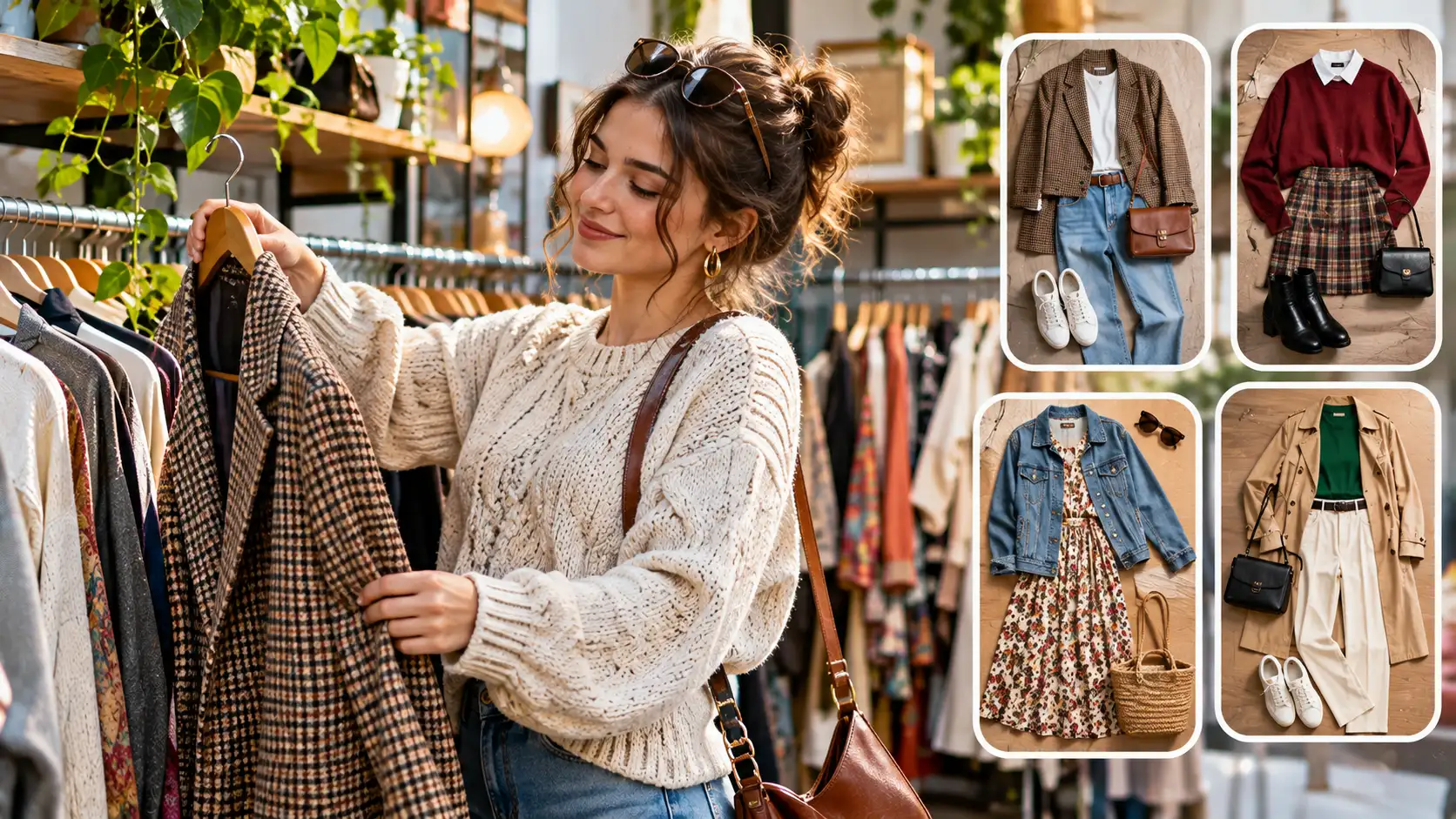
What Are the Benefits of Secondhand Fashion?
Secondhand fashion is a practical way to refresh your wardrobe by choosing clothes that someone else has previously owned. These items are available through thrift stores, vintage shops, resale platforms, and local clothing markets. Understanding the main secondhand fashion benefits can help you save money, reduce unnecessary purchases, and discover clothing that reflects your personal style.
Buying pre-owned clothing has become an appealing option for people who want greater variety without constantly purchasing new products. Secondhand shopping offers everything from everyday basics to unusual vintage pieces and carefully preserved designer items. It also encourages shoppers to consider clothing quality, usefulness, and long-term value before adding something to their wardrobes.
The best part of secondhand fashion is its flexibility because it works with many clothing preferences and budgets. You can build casual outfits, create professional looks, or find interesting pieces for special occasions. Learning how to shop thoughtfully and combine pre-owned items makes secondhand fashion both practical and enjoyable.
Why Is Secondhand Fashion a Smart Clothing Choice?
One major advantage of secondhand clothing is the opportunity to find useful garments at prices that may be lower than those of comparable new items. Many resale shops carry clothing in good condition, including pieces that have seen very little use. This makes it possible to explore different styles while managing clothing expenses more carefully.
Secondhand shopping can also encourage thoughtful buying habits because available items often differ from one visit to another. Instead of automatically following every new fashion trend, shoppers can focus on garments that match their existing wardrobes. Choosing versatile pieces that work with several outfits helps prevent unnecessary purchases and makes getting dressed easier.
Another important benefit is the chance to extend the useful life of clothing that already exists. A garment that no longer suits one person’s preferences may become another person’s favorite item. Keeping wearable clothes in circulation supports a more resource-conscious approach to fashion while creating opportunities for individual expression.
How Secondhand Shopping Helps You Save Money
Affordable clothing is one of the most noticeable secondhand fashion benefits for budget-conscious shoppers. Thrift stores and resale platforms may offer shirts, trousers, jackets, and accessories at reduced prices. However, prices vary between sellers, and some vintage or collectible pieces can cost more than ordinary new clothing from mainstream retailers.
Creating a shopping budget can help you make better decisions before visiting secondhand stores or browsing online listings. Start by identifying what your wardrobe actually needs, such as a comfortable jacket or everyday trousers. This approach helps you avoid purchasing unnecessary items simply because they appear inexpensive or are available for a limited time.
Consider the condition and expected usefulness of each garment rather than focusing only on its price tag. A well-maintained coat that you wear regularly may provide better value than several inexpensive pieces that remain unused. Comparing quality, fit, and versatility helps ensure that your secondhand purchases support your everyday clothing needs.
Environmental Benefits of Buying Pre-Owned Clothes
The fashion industry uses water, energy, raw materials, and other resources to manufacture and distribute clothing. Purchasing secondhand garments can reduce demand for some new production by keeping existing products in use. The environmental benefit depends on factors such as whether the purchase replaces a new item, how it is transported, and how long it remains wearable.
Secondhand shopping also helps extend the life of garments that might otherwise be discarded prematurely. Clothing that remains usable can continue serving different owners through donation, resale, or clothing exchanges. This approach supports circular fashion, which emphasizes keeping materials and products useful for longer rather than treating every garment as disposable.
However, buying used clothing does not automatically make every shopping habit environmentally friendly. Frequently purchasing unnecessary items still creates waste and requires resources for transportation, cleaning, and storage. Choosing fewer useful garments, caring for them properly, and repairing damage when practical can make secondhand shopping more beneficial over time.
How Secondhand Fashion Helps You Develop Personal Style
Secondhand clothing creates opportunities to explore styles that may not currently appear in mainstream fashion collections. Vintage shirts, unusual jackets, classic denim, and distinctive accessories can add character to everyday outfits. These pieces allow you to experiment with different colors, textures, and combinations without depending entirely on current clothing trends.
Developing personal style begins with identifying garments that feel comfortable and reflect your preferences. You might enjoy simple neutral outfits, colorful patterns, relaxed streetwear, or classic tailored clothing. Secondhand stores often contain a mixture of these styles, making it easier to explore different looks without committing to a completely new wardrobe.
An interesting outfit does not require every item to be rare or visually dramatic. Sometimes a familiar pair of jeans combined with a pre-owned cardigan or patterned shirt creates a fresh combination. The goal is to choose clothing you enjoy wearing and build outfits that suit your activities, comfort, and everyday needs.
Where to Find Quality Secondhand Clothing
Thrift stores are common places to discover affordable pre-owned clothing, including everyday basics, jackets, dresses, and accessories. Charity shops and community resale stores may also offer useful pieces at different price points. Visiting these stores regularly can help you become familiar with available sizes, clothing categories, and the general condition of their inventory.
Online resale platforms provide another convenient option for finding secondhand garments. These marketplaces often allow shoppers to search for specific brands, clothing types, sizes, and colors. Before purchasing, review the seller’s photographs, item descriptions, measurements, return policies, and shipping costs to understand exactly what you are receiving.
Vintage boutiques, clothing exchanges, and local secondhand markets can also provide interesting shopping opportunities. Some specialize in particular decades or clothing styles, while others offer a broad selection of everyday garments. Exploring several sources can help you compare quality and prices while discovering the kinds of clothing that best match your preferences.
How to Check Secondhand Clothes Before Buying
Inspecting garment condition is essential when shopping secondhand because previous use can affect fabric quality and durability. Look for stains, holes, loose seams, damaged buttons, and unusual wear around cuffs or collars. Checking these details before purchasing can help you avoid unexpected repairs and choose clothing that remains suitable for regular use.
Fabric labels can also provide useful information about material composition and washing requirements. Cotton, linen, wool, denim, and synthetic fabrics have different care needs and characteristics. Consider whether the garment feels comfortable, suits your activities, and can be maintained using cleaning methods that are practical for your household.
Fit is another important consideration because clothing sizes can vary considerably between brands and production periods. When shopping online, compare actual garment measurements with clothing you already find comfortable. Small alterations may be worthwhile for certain pieces, but complicated repairs or adjustments can increase the final cost beyond your original budget.
Casual Secondhand Outfit Ideas for Everyday Wear
Casual outfits are a great starting point for experimenting with secondhand fashion because they use familiar clothing combinations. A pre-owned cotton T-shirt paired with comfortable denim jeans creates a simple everyday look. Add a thrifted overshirt or lightweight jacket to introduce another layer while keeping the outfit practical for ordinary activities.
For a relaxed weekend outfit, try combining a secondhand sweatshirt with casual trousers and comfortable sneakers. A canvas tote bag or simple cap can complete the combination without requiring several new accessories. Choosing colors that work well together makes the outfit easy to repeat with different items already in your wardrobe.
Another option is pairing a secondhand denim jacket with a plain top and loose-fitting trousers or a casual skirt. This combination works across many everyday settings and can be adjusted for changing weather. Experimenting with different textures and layers helps you create several outfits from a relatively small collection of clothing.
Secondhand Workwear Outfit Ideas for a Polished Look
Secondhand shopping can help you create professional outfits without purchasing every item from a new clothing collection. A well-maintained blazer paired with straight-leg trousers and a simple shirt offers a versatile workwear combination. Neutral colors can make mixing items easier, although brighter shades and patterns also work when they suit your workplace.
For a smart-casual office, consider combining a thrifted cardigan with tailored trousers and comfortable loafers. A simple blouse or collared shirt can add structure without making the outfit feel overly formal. The same cardigan can also work with jeans or a skirt outside work, giving one garment several practical uses.
Pre-owned dresses and coordinated separates provide additional options for professional settings. A comfortable midi dress layered with a blazer can work for meetings, presentations, or ordinary office days. Always check garment condition and workplace requirements before buying, and prioritize clothing that allows you to move comfortably throughout your daily routine.
Weekend and Streetwear Outfits Using Thrifted Pieces
Weekend outfits offer opportunities to combine secondhand clothing in creative ways without following strict dress codes. A vintage graphic T-shirt paired with relaxed jeans and a lightweight overshirt creates an easy streetwear-inspired combination. You can complete the look with comfortable footwear and a practical bag that suits your plans.
For cooler weather, consider a thrifted hoodie with casual trousers and a denim or utility jacket. Layering different garments allows you to adjust the outfit when temperatures change during the day. Choosing pieces with complementary colors or textures can make the combination feel coordinated without requiring every garment to come from the same brand.
Another interesting secondhand outfit involves pairing a patterned button-down shirt with plain trousers or jeans. This allows one expressive item to become the main feature of the outfit while other pieces remain simple. Experimenting with rolled sleeves, open layers, and different accessories can create several combinations from the same clothing.
Secondhand Outfit Ideas for Special Occasions and Different Seasons
Secondhand fashion can also provide clothing for celebrations, dinners, family gatherings, and other special occasions. A pre-owned formal dress, tailored jacket, or matching set may offer a useful alternative to buying something new. Select pieces that match the event’s dress expectations while remaining comfortable enough to wear throughout the occasion.
Seasonal layering creates additional ways to use secondhand clothing throughout the year. During cooler months, combine a thrifted sweater with trousers, a suitable coat, and comfortable boots. In warmer weather, lightweight cotton shirts, breathable trousers, and casual dresses can provide simple outfits that are easy to adapt to different activities.
Accessories can also help make familiar outfits feel different without replacing the main garments. A pre-owned scarf, belt, bag, or piece of jewelry may complement several clothing combinations. Choose accessories that are in good condition and suit your existing wardrobe, rather than buying decorative pieces that are unlikely to be used.
How to Build a Secondhand Capsule Wardrobe
A capsule wardrobe is a collection of versatile clothing pieces that can be combined into several practical outfits. Secondhand shopping can help you build one gradually by finding useful basics and carefully selected statement pieces. The purpose is not to own a specific number of garments but to make clothing choices easier and more intentional.
Begin by reviewing what you already own and identifying pieces you wear frequently. Look for gaps such as a suitable outer layer, a comfortable shirt, or trousers that work with several existing tops. Buying only items that fill genuine needs can reduce unnecessary spending and make your wardrobe easier to organize.
Choose a mixture of clothing that supports your activities, local weather, and personal preferences. For example, a few practical tops, versatile trousers, appropriate layers, and comfortable footwear may create many everyday combinations. You can then add occasional secondhand finds that provide variety without replacing garments that still serve you well.
How to Care for Secondhand Clothes and Make Them Last
Cleaning secondhand clothing before wearing it is a sensible first step, especially when its previous storage and washing history are unknown. Check the care label before choosing a cleaning method because different materials require different treatment. Some garments can be machine washed, while delicate fabrics may need handwashing or professional cleaning.
Proper storage also helps preserve the quality of pre-owned garments. Fold knitwear when hanging might stretch it, and use suitable hangers for jackets or structured clothing. Keeping clothes dry and protected from excessive sunlight can help prevent unnecessary damage while making your wardrobe more organized and easier to maintain.
Small repairs can extend the usefulness of secondhand clothing considerably. Replacing buttons, securing loose seams, and addressing minor damage early may prevent larger problems later. Learning a few basic clothing-care skills can reduce replacement costs and support a more practical approach to shopping, wearing, and maintaining garments over time.
Conclusion
Secondhand fashion offers practical benefits for shoppers who want affordable clothing, greater variety, and more thoughtful purchasing habits. Choosing pre-owned garments can extend clothing lifespans while creating opportunities to explore personal style. From casual outfits to professional clothing, secondhand pieces can become useful additions to almost any everyday wardrobe.
Building stylish secondhand outfits begins with selecting comfortable garments that match your activities and preferences. Thrifted jeans, shirts, jackets, trousers, and accessories can be combined in different ways without requiring constant purchases. Inspecting quality, checking fit, and considering versatility can help you make better decisions when exploring resale stores and online marketplaces.
The most valuable secondhand fashion benefits come from buying thoughtfully and making good use of the clothes you choose. Proper care, occasional repairs, and creative outfit combinations can help garments remain useful for longer. With patience and an open mind, secondhand shopping can become an enjoyable way to build a practical and individual wardrobe.
Frequently Asked Questions
What are the main benefits of secondhand fashion?
Secondhand fashion can help reduce clothing expenses, extend garment lifespans, and provide access to unique styles. It also supports more resource-conscious shopping when pre-owned purchases replace unnecessary new clothing.
Is secondhand clothing better for the environment?
Secondhand clothing can reduce demand for some new production and keep existing garments in use longer. Environmental benefits depend on purchasing habits, transportation, garment care, and whether the item replaces a new purchase.
How can I style secondhand clothes for everyday outfits?
Combine thrifted jeans, shirts, jackets, and accessories with clothing you already own. Focus on comfortable fits, coordinated colors, and versatile layers that suit your daily activities and personal preferences.
Is buying secondhand clothing hygienic?
Secondhand clothing can be worn safely when properly cleaned and inspected. Follow fabric care instructions, wash suitable garments before wearing them, and check for stains, damage, or other condition concerns.
What should beginners look for when thrift shopping?
Beginners should prioritize useful garments in good condition, comfortable fits, and reasonable prices. Checking fabric labels, seams, measurements, and return policies can help prevent disappointing purchases and unnecessary spending.

[…] Secondhand Fashion Benefits: Outfit Ideas to Try […]