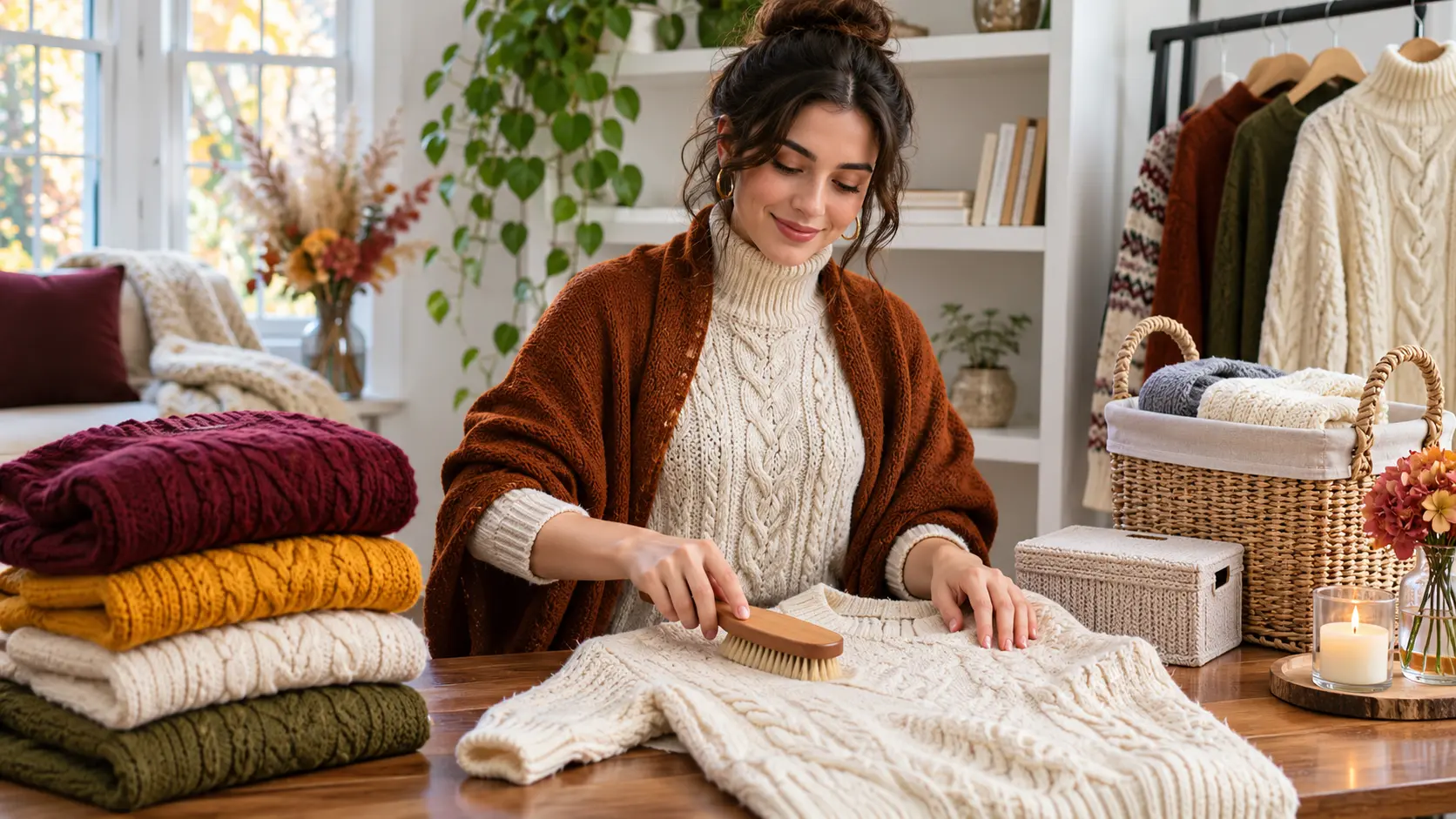
Knitwear is an essential part of many wardrobes because it combines comfort, warmth, and effortless style. From cozy sweaters and lightweight cardigans to knitted dresses and scarves, these pieces can work beautifully across different seasons. However, improper washing, drying, or storage can cause knitwear to shrink, stretch, or lose its original texture. Following a practical knitwear care guide can help you maintain your favorite clothes while keeping them comfortable and wearable.
Different knitted fabrics require different levels of care. Wool, cashmere, cotton, and synthetic blends may respond differently to water, heat, and everyday wear. Understanding these differences helps prevent common laundry mistakes and unnecessary fabric damage.
The good news is that caring for knitwear does not need to be complicated. Simple habits such as reading garment labels, washing gently, drying flat, and storing sweaters correctly can make a meaningful difference. This guide covers knitwear washing instructions, fabric care, storage methods, pilling removal, and easy styling tips that work.
What Is Knitwear?
Knitwear refers to clothing made from interlocking loops of yarn rather than traditional woven fabric structures. This construction creates flexibility, softness, and comfortable movement. Common knitwear pieces include sweaters, cardigans, knitted tops, dresses, and scarves. Different knitting techniques produce fabrics with varying textures, thicknesses, and levels of stretch.
Some knitted garments are lightweight enough for transitional weather, while others provide insulation during colder months. Fine-gauge knitwear often creates a smoother appearance suitable for layering. Chunky knits feature thicker yarns and more noticeable texture. Both styles can be useful depending on the season and outfit.
Knitwear can be made from natural fibers, synthetic materials, or combinations of both. Wool and cashmere are known for softness and warmth, while cotton provides breathable comfort. Acrylic and polyester blends offer other practical characteristics. Understanding the material is important because fabric composition affects washing, drying, and storage requirements.
Why Proper Knitwear Care Matters
Knitted garments contain loops that can change shape when exposed to pulling, excessive heat, or unsuitable washing methods. Heavy sweaters may stretch when hung while wet, especially if the fabric holds considerable water. Some fibers may also shrink under certain conditions. Proper handling helps preserve the garment’s intended dimensions.
Regular maintenance can also improve how knitwear looks over time. Removing loose lint, managing pilling, and folding garments carefully help maintain a neat appearance. These small habits reduce unnecessary wear. They can also make older pieces easier to combine with different outfits.
Taking care of knitwear may reduce the need to replace clothing frequently. Washing only when necessary and using suitable cleaning methods can help limit avoidable damage. However, even well-maintained garments experience natural wear. The goal is to extend useful life rather than expect clothing to remain permanently new.
Understand Different Types of Knitwear Fabrics
Wool knitwear is valued for its insulation and ability to provide warmth in colder conditions. However, certain wool garments can shrink or felt when exposed to unsuitable washing conditions. Cashmere is a fine animal fiber that often requires careful handling. Always follow the instructions provided with the individual garment.
Cotton knitwear is often comfortable during mild weather because of its breathability. Some cotton sweaters can tolerate machine washing, although stretching may occur if they are handled carelessly. Cotton also absorbs water and can become heavy when wet. Drying methods should account for this characteristic.
Synthetic knitwear may include acrylic, polyester, nylon, and blended yarns. These materials have different temperature tolerances and care requirements. Some machine-washable blends are relatively easy to maintain, while others require gentle treatment. Fabric composition and care labels are more reliable than assumptions based on appearance.
Always Check the Knitwear Care Label
The care label provides important information about how a garment should be cleaned and maintained. It may include washing temperatures, drying instructions, ironing restrictions, and professional cleaning recommendations. Reading these symbols before washing helps prevent mistakes. Different garments made from similar materials can still have different instructions.
A sweater labeled for hand washing should not automatically be treated like machine-washable knitwear. Likewise, a garment marked for professional cleaning may contain delicate fibers, construction details, or finishes that require special handling. Ignoring the label can increase the risk of damage. Manufacturer instructions should remain the starting point.
If the care label has been removed, begin with caution rather than assuming the garment is washable. Consider the fiber content, texture, and decorative details. Professional cleaning advice may be appropriate for expensive or delicate pieces. Testing an unfamiliar cleaning method on a valuable garment can create unnecessary risk.
How to Wash Knitwear by Hand
Hand washing can be a suitable option for certain delicate knitted garments when the care label permits it. Begin by filling a clean basin with cool or appropriately lukewarm water. Add a small amount of detergent designed for the relevant fabric. Avoid using excessive detergent because it can be difficult to rinse completely.
Place the garment in the water and gently move it through the solution. Avoid aggressive rubbing, twisting, or pulling, especially around collars and cuffs. Allow the cleaning solution to work according to the detergent instructions. Gently rinse the garment using water at a suitable temperature.
After rinsing, support the garment as you lift it from the water. Press out excess moisture carefully without wringing the fabric. A clean towel can help absorb additional water before drying. Proper support is important because wet knitwear can stretch under its own weight.
How to Machine Wash Knitwear Safely
Some knitted garments are specifically designed for machine washing. If the care label allows it, choose a gentle or wool cycle suited to the material. A low-spin setting may help reduce unnecessary stretching and agitation. The correct water temperature depends on the garment instructions.
Turning a sweater inside out before washing may help reduce surface friction. A suitable mesh laundry bag can also protect delicate pieces from rubbing against other garments. Avoid overloading the machine because crowded clothing may not move or rinse properly. Wash compatible fabrics together whenever possible.
Use a detergent suitable for the fiber type and follow the recommended quantity. Ordinary detergents may not be appropriate for every wool or cashmere garment. Once the cycle finishes, remove the knitwear promptly and reshape it gently. Avoid hanging heavy wet garments unless the label specifically recommends that method.
Best Detergent for Sweaters and Knitwear
Choosing the right detergent can help maintain knitted fabric during cleaning. Delicate wool and cashmere garments may benefit from products specifically formulated for those fibers. Cotton and suitable synthetic blends may have different requirements. The garment’s care label should guide your selection.
Avoid assuming that a stronger detergent provides better cleaning. Harsh cleaning products or excessive quantities may affect certain fibers and finishes. Some detergents contain enzymes or additives that are unsuitable for particular protein-based fibers. Check product information carefully before use.
Fragrance and other detergent ingredients can also matter for people with sensitive skin. A mild, suitable formulation may be preferable when irritation is a concern. Always rinse garments according to the detergent instructions. Proper cleaning involves using an appropriate product rather than simply adding more soap.
How to Dry Knitwear Without Stretching
Drying is one of the most important parts of knitwear maintenance. Wet knitted garments can become heavy and lose their shape when suspended from a hanger. This is particularly noticeable with chunky sweaters and certain natural fibers. Flat drying is often recommended when the care label permits it.
Place the damp garment on a clean, dry towel or suitable flat drying surface. Gently arrange the sleeves, neckline, and body into their intended shape. Avoid stretching the fabric while adjusting it. Allow air to circulate around the garment as it dries.
Keep delicate knitwear away from direct heat sources unless the manufacturer provides different instructions. High heat can cause shrinking or affect certain fibers. Turn or reposition the garment carefully if necessary to support even drying. Always confirm that it is completely dry before storing it.
Can You Put Knitwear in a Dryer?
Tumble drying is suitable only for knitwear whose care label specifically allows it. Some cotton or synthetic garments may tolerate controlled drying settings. However, wool, cashmere, and other delicate knits can be damaged by unsuitable heat or movement. Dryer instructions should never be guessed.
High temperatures can contribute to shrinking, distortion, or changes in fabric texture. Mechanical tumbling may also increase friction and visible surface wear. Even garments labeled as machine washable are not necessarily suitable for machine drying. Washing and drying instructions should be checked separately.
When uncertain, flat air drying is often a cautious approach for appropriate washable garments. However, follow the manufacturer if specialized drying is required. Avoid placing delicate knitwear directly against radiators or heaters. Gentle drying helps maintain the original construction and appearance.
How to Store Knitwear Properly
Proper storage helps prevent stretching, creasing, and unnecessary damage between wears. Many sweaters are best stored folded on shelves or inside drawers. Folding distributes the garment’s weight more evenly than hanging. This is particularly useful for heavy or loosely knitted pieces.
Make sure knitwear is clean and completely dry before storing it for an extended period. Moisture can contribute to unpleasant odors and other storage problems. Choose a clean, dry area with suitable ventilation. Avoid overcrowding shelves because excessive pressure can create deep creases.
Natural-fiber garments may require additional attention to moth prevention. Clean storage spaces regularly and inspect clothes for signs of insect activity. Use suitable protective storage methods without placing potentially damaging products directly against garments. Periodic checks help identify problems before they become severe.
Should You Fold or Hang Sweaters?
Folding is generally the preferred storage method for heavier sweaters and delicate knitted garments. Hanging can place continuous pressure on the shoulders and neckline. Over time, this may cause stretching or visible hanger marks. Chunky knitwear is particularly vulnerable because of its weight.
Lightweight, tightly constructed knit garments may tolerate hanging better, depending on their design. However, their care labels and fabric characteristics should still be considered. If hanging is necessary, use a suitable method that supports the garment without pulling heavily on one area. Avoid narrow hangers that create sharp shoulder points.
For everyday storage, neatly folding knitwear is usually simple and practical. Arrange garments so that they remain visible and accessible. Avoid pulling tightly packed sweaters from shelves. Careful handling supports a smoother appearance and helps prevent accidental snags.
How to Remove Pilling From Knitwear
Pilling occurs when loose fibers gather into small balls on the surface of fabric. It commonly develops in areas exposed to friction, such as sleeves, underarms, and sides. Pilling does not automatically indicate poor-quality knitwear. Fiber characteristics and everyday wear both influence its appearance.
A suitable fabric comb or sweater shaver may help remove pills when used according to its instructions. Lay the garment on a stable surface and work gently. Avoid applying excessive pressure or repeatedly passing over the same delicate area. Test carefully before treating expensive or loosely knitted fabrics.
Do not pull pills aggressively with your fingers because this may disturb surrounding fibers. Reducing unnecessary friction during washing and storage may help limit future pilling. However, some pilling is normal during wear. Gentle maintenance can improve appearance without requiring frequent replacement.
How to Remove Stains From Knitwear
Stains should be addressed according to the garment’s fiber composition and care instructions. Different substances require different cleaning methods. Acting promptly may improve the chance of removing a stain before it becomes difficult to treat. However, aggressive scrubbing can damage delicate knitted loops.
Begin by gently blotting excess liquid with a clean cloth when appropriate. Avoid rubbing the stain across a larger section of fabric. Use a cleaning method suitable for the material and type of stain. Test unfamiliar products cautiously in an inconspicuous area if the instructions permit.
Some stains are better handled by professional cleaners, particularly on delicate wool or cashmere. Heat may set certain stains, so avoid applying it before confirming that cleaning is complete. Follow the manufacturer’s recommendations whenever available. Careful treatment helps protect both the garment’s color and texture.
How Often Should You Wash Knitwear?
Knitwear does not always need washing after every wear. The appropriate frequency depends on the material, activity level, and whether the garment has become visibly dirty or developed an odor. Sweaters worn over another layer may require cleaning less frequently. However, hygiene and personal comfort remain important.
Between washes, allow suitable garments to air out in a clean, dry environment. This may help reduce temporary odors from everyday wear. Spot cleaning can sometimes address small marks without washing the entire garment. However, it should be used only when appropriate for the fabric.
Excessive washing may increase friction and wear, especially for delicate knits. On the other hand, storing dirty clothing can create additional problems. Use the condition of the garment and its care instructions to guide decisions. Balanced cleaning habits support both freshness and fabric longevity.
How to Care for Cashmere Knitwear
Cashmere is valued for its fine texture and soft feel. Because cashmere fibers can be delicate, garments often require careful washing and storage. Some items permit hand washing, while others recommend professional cleaning. Always check the individual care label before proceeding.
If hand washing is permitted, use an appropriate detergent and gentle handling. Avoid twisting the garment or allowing it to hang heavily while wet. Flat drying can help preserve its shape. Cashmere may also develop surface pilling, particularly in areas exposed to repeated friction.
Store cashmere folded in a clean, dry location. Protect it from moth damage and avoid placing heavy objects on delicate pieces. Regular inspection helps identify signs of wear. Thoughtful maintenance can keep cashmere comfortable and attractive through repeated use.
How to Care for Wool Sweaters
Wool provides warmth and insulation, making it popular for winter sweaters and other knitted clothing. However, certain wool fabrics can shrink or felt when exposed to unsuitable washing conditions. Heat, moisture, and mechanical agitation may all contribute. Care instructions vary depending on the wool type and treatment.
Some wool sweaters are labeled machine washable because they have been processed to improve washability. Others require hand washing or professional care. Always follow the specific label rather than assuming all wool behaves identically. Suitable detergents are also important.
After cleaning, reshape the garment gently and dry it according to the instructions. Store wool sweaters folded when appropriate. Clean storage and moth prevention can help protect natural fibers. These habits support the continued use of wool knitwear across colder seasons.
How to Style Knitwear for Everyday Outfits
Knitwear is versatile because it can be combined with casual and more polished clothing. A simple crewneck sweater works well with straight-leg jeans and comfortable shoes. Lightweight cardigans can be layered over basic shirts or blouses. These combinations create practical outfits without requiring complicated styling.
For a more structured look, pair fine-knit sweaters with tailored trousers or a midi skirt. Neutral colors such as cream, navy, gray, and brown can be easy to coordinate. However, colorful knitwear can also create interesting outfits. Personal style should guide color and clothing choices.
The key to styling knitwear is balancing comfort, fabric texture, and the occasion. Chunky sweaters often create a relaxed appearance, while finer knits may feel more polished. Accessories can provide additional variety. Well-maintained garments generally look more intentional regardless of the outfit.
Knitwear Layering Tips for Different Seasons
Layering allows knitwear to remain useful across changing weather conditions. Lightweight knitted tops can be worn over breathable shirts during cooler spring mornings. Cardigans provide flexible coverage because they are easy to remove. This makes them convenient for environments with changing temperatures.
During autumn, a medium-weight sweater can be combined with jeans, trousers, or skirts. A jacket may provide additional warmth when temperatures fall. Choose layers that allow comfortable movement without excessive bulk. Fabric weight matters more than following strict seasonal rules.
Winter outfits may include wool sweaters beneath suitable coats. Scarves and other accessories can provide additional protection from cold weather. However, overly tight layering may create discomfort or unnecessary friction against delicate knitwear. Selecting compatible fabrics helps maintain comfort and garment condition.
How to Style Chunky Knit Sweaters
Chunky knit sweaters feature thicker yarns and noticeable texture. They can be combined with simple trousers or jeans to create comfortable everyday outfits. Their visual texture often becomes the main feature of the outfit. Additional clothing pieces can remain relatively understated.
A chunky sweater may also work with a midi skirt and suitable boots for cooler weather. Choose proportions based on comfort and personal preference rather than rigid styling rules. Different lengths and cuts can create distinct looks. The sweater should allow comfortable movement.
Because chunky knits can be heavy, storage and care require additional attention. Folding helps reduce stretching while the garment is not being worn. Avoid carrying heavy bags that repeatedly rub against delicate knit surfaces when possible. Thoughtful styling and maintenance help preserve their appearance.
How to Style Cardigans for a Polished Look
Cardigans provide flexible styling options because they can be worn open or closed. A lightweight cardigan over a simple top creates a relaxed everyday combination. Fine-knit cardigans can also complement trousers or skirts. The appropriate style depends on fabric, fit, and occasion.
For work or smart-casual settings, a neutral cardigan can be paired with tailored pieces. A buttoned cardigan may function as a standalone top when designed for that purpose. Accessories can add variety without overwhelming the outfit. Choose colors that work with your existing wardrobe.
Cardigans also require attention around buttons, cuffs, and front openings. Avoid pulling heavily on closures or stretching the neckline while dressing. Store delicate cardigans folded when recommended. Good care helps them remain useful for both casual and polished outfits.
Common Knitwear Care Mistakes to Avoid
One common mistake is washing every sweater with the same laundry settings. Knitwear includes materials with different temperature and handling requirements. Using the wrong cycle may cause shrinking or stretching. Reading the garment label helps prevent these problems.
Another mistake is hanging heavy sweaters immediately after washing. Wet knitwear may stretch under its own weight, changing the shape of shoulders and sleeves. Flat drying is often more suitable when permitted. Avoid wringing garments to remove water.
Ignoring pilling, stains, and storage conditions can also affect appearance. Small maintenance problems may become more difficult to manage when left unattended. Gentle cleaning and regular inspection can help. Taking a few practical precautions is easier than attempting to repair severe fabric damage.
Best Practices to Make Knitwear Last Longer
Begin by choosing knitwear that matches your needs and preferred maintenance routine. Some fabrics require more delicate care than others. If you prefer convenient laundry methods, look for garments with suitable machine-washing instructions. Practical choices can make long-term maintenance easier.
Follow the manufacturer’s cleaning recommendations and avoid unnecessary heat or friction. Store sweaters folded when appropriate and allow garments to dry completely before putting them away. Inspect clothing periodically for loose threads or damaged seams. Early repairs may prevent additional damage.
Rotate frequently worn pieces when practical and avoid repeatedly stressing the same areas of delicate fabric. A balanced wardrobe does not need to contain numerous expensive items. Proper maintenance often matters more than price. Consistent care helps keep favorite knitwear comfortable and wearable across seasons.
Conclusion
A practical knitwear care guide helps protect sweaters, cardigans, dresses, and other knitted garments from avoidable damage. Understanding fabric composition is the first step because wool, cashmere, cotton, and synthetic blends have different requirements. Washing gently, drying correctly, and storing garments appropriately can support their longevity. These habits are useful regardless of personal style.
Knitwear maintenance also involves managing pilling, treating stains carefully, and avoiding unnecessary friction. Heavy sweaters are often best folded rather than hung, while delicate garments may require specialized cleaning. Following care labels remains essential. Simple, consistent habits can make a meaningful difference in how clothing looks and feels.
Well-maintained knitwear is also easier to incorporate into everyday outfits. From relaxed chunky sweaters to polished fine-knit cardigans, knitted clothing provides versatile styling options. Choose combinations that reflect your preferences and suit the weather. With thoughtful care and practical styling, knitwear can remain a comfortable part of your wardrobe for years.
Frequently Asked Questions
What Is the Best Way to Wash Knitwear?
Follow the garment’s care label. Delicate knitwear may require hand washing with suitable detergent, while certain machine-washable pieces can be cleaned using an appropriate gentle cycle.
Should Knitwear Be Folded or Hung?
Most heavy sweaters and delicate knitted garments are better stored folded. Hanging can stretch shoulders and necklines, particularly when the fabric is heavy or loosely constructed.
How Do You Stop Knitwear From Pilling?
Pilling cannot always be prevented, but reducing friction and following appropriate washing instructions may help. Gently remove existing pills with a suitable fabric comb or sweater shaver.
Can You Put Knitwear in the Washing Machine?
Some knitwear is machine washable, but others require hand washing or professional cleaning. Always check the care label and use the recommended temperature, detergent, and cycle.
How Can I Make My Knitwear Last Longer?
Wash only when necessary, follow fabric-specific instructions, dry garments appropriately, and store them carefully. Gentle pilling removal and prompt attention to stains can also help maintain appearance.