
Fashion has its own language, filled with terms that describe clothing styles, fabrics, designs, and popular trends. Whether you are shopping for new outfits, exploring personal style, or reading fashion magazines, understanding common fashion terminology can make the experience easier. Learning these expressions helps you recognize different clothing features and make more informed decisions about what you wear.
From silhouettes and tailoring to capsule wardrobes and sustainable fashion, the industry uses specific words to explain how clothing is designed, styled, and produced. Some terms describe garment construction, while others refer to fashion movements, aesthetics, or shopping habits. Understanding these differences can help you interpret product descriptions and communicate your preferences more confidently.
This guide explains essential fashion terms in simple language, making them easier to understand before you experiment with new clothing styles. Whether you are interested in everyday outfits, contemporary fashion trends, or clothing design, these definitions will help you navigate fashion terminology and discover styling possibilities that fit your personal preferences.
Understanding Fashion Terminology and Why It Matters
Fashion terminology refers to the words and expressions used to describe clothing, accessories, fabrics, and styling techniques. These terms help designers, retailers, and customers communicate about garment features and fashion concepts. Understanding them can make shopping easier because you can recognize descriptions such as relaxed fit, structured silhouette, or lightweight fabric without unnecessary confusion.
Fashion vocabulary also helps you understand how different garments are designed and how they may work together. For example, knowing the difference between an A-line skirt and a pencil skirt explains their construction and general appearance. Recognizing these distinctions allows you to explore clothing options according to comfort, occasion, and individual styling preferences.
Learning fashion terms does not mean following every trend or adopting complicated styling rules. Instead, it provides useful knowledge that supports creativity and more confident clothing choices. Once you understand common fashion expressions, you can interpret styling advice, compare garments, and experiment with different outfit combinations more easily.
Silhouette: Understanding the Overall Shape of Clothing
Silhouette is a fundamental fashion term describing the overall outline or shape created by a garment. Designers use silhouettes to establish how clothing hangs, moves, and appears when worn. Common examples include straight, A-line, oversized, fitted, and flowing silhouettes, each offering a different visual structure and styling possibility.
An A-line silhouette gradually widens from the upper portion of a garment, creating a shape similar to the letter A. A straight silhouette maintains a relatively consistent width, while flowing designs use fabric movement to create a softer outline. Understanding these differences helps shoppers recognize garment shapes in product descriptions and fashion collections.
Silhouettes also influence how clothing items work together within an outfit. You might combine a loose shirt with straight trousers or pair a structured jacket with a flowing skirt. These are creative choices rather than strict fashion rules, allowing individuals to experiment with proportions and discover combinations they personally enjoy.
Fit: Slim, Regular, Relaxed, and Oversized Clothing
Fit describes how closely or loosely a garment sits against the body and how much room it provides for movement. Clothing retailers often use terms such as slim fit, regular fit, relaxed fit, and oversized fit. These categories help customers understand the intended construction of garments before choosing particular styles.
Slim-fit clothing generally follows the body’s outline more closely, while regular-fit garments provide a conventional amount of ease. Relaxed-fit clothing includes additional room, creating a looser appearance and different wearing experience. Oversized designs intentionally use larger proportions as part of their overall style rather than simply representing an incorrectly selected size.
It is important to remember that clothing fit and clothing size are not identical concepts. Two garments labeled with the same size may feel different because of their cuts, fabrics, and intended designs. Checking garment measurements and product descriptions helps you choose clothing according to your preferred comfort and movement.
Tailoring: Alterations and Structured Garment Construction
Tailoring refers to constructing, adjusting, or altering clothing to achieve a particular fit and finish. The term is commonly associated with suits, jackets, trousers, and other structured garments. Tailors may adjust sleeve lengths, waistbands, seams, or garment proportions to meet individual preferences and practical clothing requirements.
Structured tailoring often involves carefully shaped seams, interfacing, and construction techniques that help garments maintain their intended form. A tailored blazer, for example, may have defined shoulders, lapels, and internal supporting materials. These features distinguish certain tailored garments from softer clothing designed with minimal structure.
Tailoring can also make existing clothing more practical without requiring an entirely new wardrobe. Adjusting trouser lengths, repairing seams, or modifying garment details may improve comfort and extend usefulness. Understanding basic tailoring terms helps you communicate clearly with alteration specialists and recognize construction details when shopping for clothes.
Capsule Wardrobe: Building a Versatile Clothing Collection
A capsule wardrobe is a carefully selected collection of clothing designed to work together in several outfit combinations. It generally includes versatile garments that suit the wearer’s routine, preferences, and seasonal requirements. The main purpose is to simplify everyday outfit planning rather than establish a universal number of clothing items.
Common capsule wardrobe pieces might include plain shirts, comfortable trousers, knitwear, jackets, and practical footwear. However, the ideal selection depends on personal style, climate, workplace expectations, and preferred activities. A colorful wardrobe can also function as a capsule collection when its pieces coordinate effectively.
Creating a capsule wardrobe begins with identifying clothing you already enjoy wearing and understanding which combinations serve your needs. You can then identify any practical gaps without purchasing unnecessary items. The approach encourages thoughtful wardrobe planning while leaving plenty of room for individual expression and changing fashion interests.
Haute Couture: The Meaning of High Fashion
Haute couture is a French fashion term associated with highly specialized, custom-made clothing created through exceptional craftsmanship. In France, the designation has a specific professional meaning connected to officially recognized couture houses. These garments often involve detailed construction techniques, individual fittings, and considerable amounts of skilled handwork.
Couture collections frequently showcase creative design concepts, intricate embellishments, and distinctive garment structures. Fashion houses may use embroidery, draping, delicate fabrics, and elaborate finishing techniques to create individual pieces. These designs can influence wider fashion conversations even when the garments themselves are not intended for everyday retail shopping.
The term haute couture should not be confused with every expensive designer garment or luxury fashion collection. Official couture involves particular industry requirements, while luxury clothing may include ready-to-wear products manufactured in multiple sizes. Understanding this distinction helps readers recognize different categories within the fashion industry.
Ready-to-Wear: Everyday Designer Fashion Explained
Ready-to-wear refers to clothing produced in standardized sizes and sold as finished garments rather than being custom-made for individual customers. The French term prêt-à-porter is commonly used to describe this category. Ready-to-wear collections range from everyday casual clothing to high-end designer fashion presented during major fashion events.
Unlike custom-made garments, ready-to-wear pieces are developed for production and distribution through stores or online retailers. Designers consider sizing, materials, manufacturing methods, and consumer preferences when creating these collections. Customers can select available garments directly, although individual alterations may still be useful for personal comfort.
Ready-to-wear fashion includes numerous clothing categories, including dresses, trousers, shirts, outerwear, and coordinated sets. The term describes a method of production and sale rather than a single design aesthetic. Understanding it helps distinguish commercially available fashion collections from highly individualized clothing services and specialist garment creation.
Streetwear: Casual Fashion and Cultural Influences
Streetwear is a fashion category influenced by casual clothing, youth culture, music, skateboarding, sportswear, and urban creative communities. Common streetwear pieces include graphic T-shirts, hoodies, sneakers, loose trousers, and casual jackets. The style emphasizes personal expression and often combines comfort with distinctive visual details.
Streetwear has evolved through connections with different cultural movements and creative communities. Designers and brands frequently incorporate graphics, limited-edition releases, collaborations, and recognizable design elements into their collections. However, streetwear is not limited to particular labels or expensive products, and many people create their own interpretations.
Understanding streetwear terminology can help you recognize expressions such as sneaker culture, graphic prints, layering, and limited drops. These concepts describe how garments are designed, released, or styled within different communities. Streetwear offers considerable creative freedom, allowing individuals to combine casual clothing according to their preferences.
Minimalist Fashion: Simple and Intentional Styling
Minimalist fashion focuses on relatively simple designs, restrained detailing, and intentional clothing combinations. It often features clean lines, understated patterns, and versatile garments that can be styled in different ways. However, minimalist dressing does not require wearing only neutral colors or removing every decorative element from an outfit.
Common minimalist pieces include plain shirts, straight trousers, uncomplicated dresses, and jackets with subtle detailing. The approach emphasizes how garments work together rather than relying on numerous accessories or complicated combinations. Some people appreciate minimalist fashion because it can make everyday outfit planning feel more straightforward.
Minimalist style can also reflect personal choices about wardrobe organization and shopping habits. Individuals may prefer fewer decorative details while still enjoying colorful fabrics or distinctive silhouettes. Understanding the term allows you to explore simple styling ideas without treating minimalism as a restrictive set of fashion rules.
Sustainable Fashion and Ethical Clothing Terms
Sustainable fashion refers to efforts to reduce environmental impacts associated with clothing production, consumption, and disposal. It can involve material choices, manufacturing processes, garment durability, and waste management. Because sustainability is a broad concept, individual brands may focus on different practices rather than following one universal approach.
Ethical fashion generally considers working conditions, labor rights, responsible sourcing, and treatment of people involved in clothing production. Related terms include fair labor practices, supply chain transparency, and responsible manufacturing. Although ethical and sustainable fashion can overlap, the expressions address different aspects of how garments are created and distributed.
Consumers should examine specific product information rather than assuming broad marketing claims guarantee responsible production. Useful details may include material composition, manufacturing practices, repair options, and relevant independent certifications. Understanding these terms helps shoppers evaluate clothing claims more carefully and choose products according to their priorities.
Fabric Terms: Cotton, Linen, Silk, and Polyester
Fabric terminology helps describe the materials used to make clothing and how garments may feel or perform. Cotton is a natural fiber commonly used in shirts, denim, and casual garments, while linen comes from the flax plant. Both materials can be woven or blended into fabrics with different textures and characteristics.
Silk is a natural protein fiber associated with smooth fabrics, while polyester is a synthetic fiber used across many clothing categories. Polyester fabrics can be designed for durability, wrinkle resistance, or moisture management depending on their construction. Material performance depends on more than fiber content, including fabric weight, weave, finishing, and garment design.
Understanding fabric descriptions can help you select clothing for different seasons, activities, and maintenance preferences. Some materials require special washing instructions, while others are designed for simpler everyday care. Checking clothing labels provides useful information about fiber composition, washing recommendations, and the practical characteristics of a garment.
Fashion Prints and Patterns: Common Terms Explained
Fashion prints and patterns describe decorative arrangements created through fabric construction, printing, or other design techniques. Common examples include stripes, polka dots, floral prints, checks, plaid, and geometric patterns. These designs can appear on almost any clothing category, from casual shirts and dresses to scarves and outerwear.
Stripes feature repeated lines, while polka dots consist of circular shapes arranged across a fabric surface. Floral prints depict flowers or botanical elements, and geometric patterns incorporate recognizable shapes or repeated structures. Plaid and checks both involve intersecting lines or color blocks, although their arrangements and traditional associations can differ.
Patterns can be combined with plain garments or other printed pieces to create different styling effects. Some people enjoy bold combinations, while others prefer using a single patterned item as the focus of an outfit. Recognizing pattern terminology makes product searches easier and encourages experimentation with clothing combinations that reflect individual taste.
Layering: Combining Clothing for Style and Comfort
Layering means wearing multiple garments together to create an outfit that supports comfort, practicality, or visual interest. Common examples include wearing a shirt beneath a cardigan or combining a lightweight top with a jacket. Layering is especially useful when temperatures change throughout the day or indoor and outdoor conditions differ.
Different layers may serve specific purposes depending on the weather and activity. A base layer sits closest to the body, while additional garments can provide insulation or protection from wind and rain. In fashion styling, layers may also introduce contrasting textures, colors, and garment lengths that create visual variety.
Effective layering does not require complicated clothing rules or expensive wardrobe additions. You can begin with familiar items and experiment with combinations that provide comfortable movement. Understanding this fashion term helps you interpret outfit recommendations and make practical decisions about clothing for different environments.
Statement Pieces and Fashion Accessories
A statement piece is a garment or accessory designed to attract attention within an outfit through distinctive colors, shapes, patterns, or details. Examples might include a patterned coat, decorative handbag, unusual shoes, or brightly colored jacket. The term describes visual emphasis rather than a particular price range or brand.
Accessories include items such as belts, scarves, handbags, watches, jewelry, and hats that can complement clothing. Some accessories serve practical purposes, while others contribute mainly to individual expression. Understanding their different functions makes it easier to explore outfit combinations without needing to replace an entire clothing collection.
Statement pieces can be combined with simple garments or used alongside other noticeable design elements. There is no requirement to limit an outfit to one visually distinctive item. The most useful approach is to select combinations that match your preferences, the occasion, and your desired level of comfort.
Vintage, Retro, and Timeless Fashion Differences
Vintage fashion generally refers to clothing or accessories from an earlier period, often considered at least twenty years old. These garments may reflect design details, construction methods, and cultural influences associated with their original era. Vintage clothing can be found through secondhand shops, specialist retailers, and personal collections.
Retro fashion describes newer clothing designed to resemble styles associated with earlier decades. A modern jacket inspired by 1970s design, for example, may be called retro even though it was recently manufactured. This distinction helps shoppers separate genuinely older garments from contemporary products that reference historical fashion aesthetics.
Timeless fashion is a broader expression used for designs that remain wearable across changing seasonal trends. It does not refer to a specific age or manufacturing period. Understanding vintage, retro, and timeless terminology helps you identify clothing styles more accurately while exploring different fashion influences.
How to Use Fashion Terms When Shopping for Clothes
Understanding clothing terminology can make online and in-store shopping more efficient because product descriptions often rely on specialized expressions. Knowing terms such as relaxed fit, A-line silhouette, cropped length, and textured fabric helps you interpret garment details. This knowledge is particularly useful when shopping online, where trying on clothing may not be possible.
Before purchasing a garment, review its fabric composition, measurements, construction details, and care instructions. Terms describing fit and silhouette can provide guidance, but sizing may vary between retailers. Comparing product measurements with clothing you already own can offer more practical information than relying exclusively on descriptive labels.
Fashion vocabulary can also help you explain your preferences to store assistants, tailors, or other people offering styling advice. Clear descriptions make it easier to communicate desired features and ask relevant questions. The goal is to use terminology as a helpful tool rather than feel pressured to follow every trend or industry expression.
Conclusion
Understanding fashion terms makes it easier to explore clothing styles, recognize garment features, and interpret shopping descriptions. Expressions such as silhouette, tailoring, capsule wardrobe, streetwear, and ready-to-wear describe different aspects of fashion. Learning these definitions provides useful knowledge for making clothing choices and communicating personal preferences more clearly.
Fashion terminology also helps explain the differences between fabric types, garment construction methods, and clothing trends. Recognizing these distinctions can make shopping more practical while encouraging creative outfit combinations. You do not need extensive fashion knowledge to begin, because learning a few common expressions can improve your understanding of everyday clothing.
Ultimately, fashion vocabulary should support personal expression rather than create unnecessary rules about what people should wear. Exploring new terms allows you to appreciate different design approaches and discover styling options that interest you. With a better understanding of clothing terminology, you can approach fashion decisions with curiosity, confidence, and greater independence.
Frequently Asked Questions (FAQs)
What Are the Most Common Fashion Terms?
Common fashion terms include silhouette, fit, tailoring, capsule wardrobe, layering, streetwear, and ready-to-wear. These expressions describe garment shapes, clothing construction, outfit coordination, and different categories of fashion design.
What Is the Difference Between Fashion and Style?
Fashion generally refers to clothing designs, industry movements, and changing trends. Personal style describes how individuals select and combine clothing according to their preferences, routines, cultural influences, and interests.
What Does Oversized Mean in Fashion?
Oversized describes clothing intentionally designed with larger proportions and a loose appearance. It differs from simply wearing a larger size because the garment’s construction is specifically intended to create that silhouette.
What Is a Capsule Wardrobe in Fashion?
A capsule wardrobe is a selected collection of clothing that can be combined into multiple outfits. It usually emphasizes versatility and practical coordination without requiring a fixed number of garments.
Why Is Learning Fashion Terminology Important?
Learning fashion terminology helps people understand clothing descriptions, recognize fabric characteristics, and communicate styling preferences. It also makes shopping easier and provides useful knowledge for exploring different fashion concepts and outfit combinations.
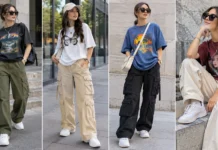



[…] Fashion Terms Explained: What to Know Before You Try It […]