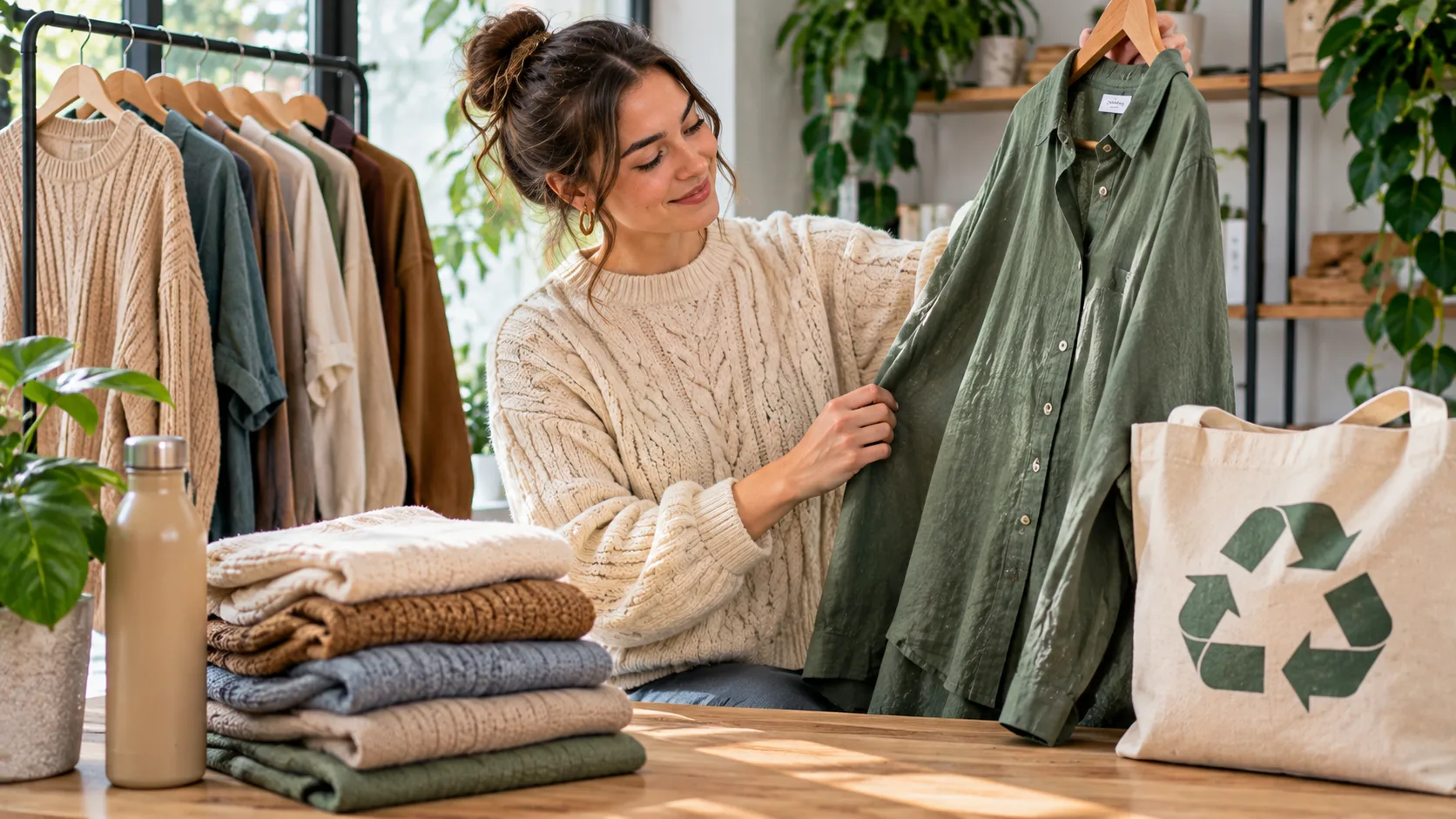
Slow fashion is a thoughtful approach to clothing that focuses on quality, durability, responsible production, and long-term use. Instead of constantly purchasing new outfits to follow changing trends, it encourages people to make more intentional wardrobe choices. Understanding slow fashion meaning can help you develop a practical personal style while becoming more aware of how clothing is produced, purchased, and maintained.
The fashion industry produces enormous quantities of clothing each year, and some garments are worn only a few times before being discarded. Slow fashion encourages a different relationship with clothing by emphasizing useful pieces, proper care, and responsible consumption. It does not require expensive designer items or a perfectly organized wardrobe. The goal is to make thoughtful choices that suit everyday needs.
Whether you enjoy secondhand shopping, outfit repeating, or building a capsule wardrobe, slow fashion offers practical ideas worth exploring. It combines personal style with greater awareness of clothing quality and production practices. This guide explains what slow fashion means, how it differs from fast fashion, and how to follow it. You will also discover easy styling tips for making better use of your existing wardrobe.
What Is Slow Fashion?
Slow fashion is an approach to clothing that emphasizes thoughtful production, mindful purchasing, and longer garment use. It encourages consumers and businesses to consider quality, working conditions, environmental impacts, and the useful life of clothing. Rather than prioritizing constant new collections, slow fashion promotes more deliberate decisions. Its principles apply to both how garments are made and how people use them.
The concept is closely connected to broader discussions about sustainable and ethical fashion. It challenges the idea that clothing must be replaced whenever a new trend appears. Instead, it supports appreciation for useful garments and the skills involved in creating them. This can include repairing, rewearing, exchanging, and responsibly producing clothing.
Slow fashion does not have one universal definition or a single certification that guarantees compliance. Different brands and individuals may interpret its principles in various ways. Some focus on responsible manufacturing, while others emphasize buying fewer garments and extending their lifespan. Understanding these differences helps consumers evaluate actual practices rather than relying only on marketing claims.
How Did the Slow Fashion Movement Begin?
The slow fashion movement developed as people became increasingly concerned about rapid clothing production and consumption. Its ideas are connected to the broader slow movement, which encourages more thoughtful approaches to everyday activities. The term gained recognition during discussions about sustainability and the fashion industry’s environmental impact. It offered an alternative to increasingly rapid trend cycles.
Kate Fletcher is widely credited with introducing the term slow fashion in 2007. The concept encouraged a more complete understanding of clothing systems, including design, manufacturing, purchasing, and disposal. It also highlighted relationships between people, resources, and production methods. These ideas helped establish slow fashion as more than simply a shopping preference.
Over time, the movement expanded to include clothing repair, secondhand fashion, responsible manufacturing, and consumer education. Discussions about textile waste and labor conditions also increased public awareness. Today, slow fashion remains an important part of conversations about sustainable wardrobes. However, its effectiveness depends on meaningful actions rather than promotional language alone.
Slow Fashion vs. Fast Fashion: Key Differences
Fast fashion generally refers to business models that emphasize rapid production, frequent new collections, and affordable trend-driven clothing. Slow fashion promotes a more deliberate approach centered on usefulness, durability, and responsible practices. The difference involves more than clothing prices. Production methods, purchasing frequency, and garment lifespan also influence how these approaches operate.
For example, fast fashion businesses may introduce new styles frequently to respond to changing consumer demand. Slow fashion encourages designs and purchasing habits that remain useful beyond short trend cycles. However, an inexpensive garment is not automatically unsustainable, and an expensive garment is not necessarily ethical. Actual production conditions and usage patterns matter.
Consumers can apply slow fashion principles even when their wardrobes contain fast fashion garments. Wearing existing clothes regularly, caring for them, and avoiding unnecessary replacements can help extend their useful lives. Replacing everything immediately would often contradict the movement’s emphasis on thoughtful consumption. Understanding this distinction makes slow fashion more practical and accessible.
Slow Fashion vs. Fast Fashion Comparison
| Feature | Slow fashion | Fast fashion |
|---|---|---|
| Main focus | Thoughtful production and use | Rapid trend-based production |
| Purchasing habits | Intentional purchases | Frequent new collections |
| Clothing lifespan | Encourages long-term use | Often emphasizes current trends |
| Production | Greater attention to responsibility | Often prioritizes speed and cost |
| Styling approach | Versatile, repeatable outfits | Rapidly changing styles |
| Consumer habits | Repairing, rewearing, maintaining | Frequent replacement may be encouraged |
Why Slow Fashion Matters Today
Slow fashion matters because clothing production and disposal can create environmental and social challenges. Manufacturing textiles requires resources such as water, energy, and raw materials. Dyeing, transportation, and other processes may also contribute to environmental impacts. Reducing unnecessary consumption can help address some of these concerns, although outcomes depend on the complete clothing lifecycle.
Another important issue involves working conditions within global garment supply chains. Fashion production includes many workers involved in manufacturing, processing, and transportation. Slow fashion discussions often emphasize fair treatment, workplace safety, and responsible business practices. However, consumers should look for credible evidence rather than assuming a brand follows ethical practices simply because it uses sustainability language.
Slow fashion also encourages people to reconsider their relationships with clothing. Instead of treating garments as temporary purchases, it promotes appreciation for items that remain useful. This approach may support practical spending habits and reduce wardrobe clutter. Its value comes from encouraging informed decisions rather than establishing strict rules about what people should wear.
Environmental Benefits of Slow Fashion
One potential environmental benefit of slow fashion is reducing demand for unnecessary clothing production. When garments remain useful for longer, consumers may need fewer replacements. This can reduce some impacts associated with manufacturing and transporting new items. However, the actual environmental savings depend on materials, production methods, care habits, and how purchases change.
Extending garment lifespan may also help reduce textile waste. Clothing that remains in use is less likely to enter disposal systems prematurely. Repairing damaged garments and choosing secondhand options can support longer product use. Nevertheless, donating clothing does not guarantee that every item will be reused, making thoughtful purchasing and care particularly important.
Sustainable clothing decisions should consider the complete lifecycle of a garment. Washing frequency, drying methods, fabric durability, and disposal practices all influence environmental outcomes. No single fabric or shopping habit is automatically best in every situation. Slow fashion provides a useful framework for considering these factors rather than focusing exclusively on new purchases.
Is Slow Fashion Always More Expensive?
Slow fashion is sometimes associated with higher clothing prices because certain brands emphasize skilled labor, durable materials, and smaller production runs. These factors can increase manufacturing costs. However, a higher price does not automatically guarantee responsible production or better quality. Consumers should evaluate garment characteristics and credible information before assuming something offers greater value.
Following slow fashion principles does not require purchasing expensive clothing. Wearing existing garments longer, repairing minor damage, and choosing secondhand options can be affordable approaches. Clothing exchanges and thoughtful wardrobe planning may also reduce expenses. These practices focus on making the most of available resources rather than constantly buying premium products.
A useful way to evaluate purchases is through cost per wear. This measurement divides the purchase price by the number of times a garment is worn. A regularly used item may provide better long-term value than something purchased cheaply but rarely worn. However, comfort, maintenance costs, and personal needs should also influence clothing decisions.
How to Start Practicing Slow Fashion
Starting with slow fashion does not require replacing your entire wardrobe. A practical first step is reviewing the clothes you already own and identifying items you regularly enjoy wearing. Consider which garments suit your daily activities and which remain unused. This process can help you understand your actual clothing needs before making new purchases.
Next, explore different outfit combinations using familiar pieces. A shirt may work with several bottoms, while a cardigan can add variety to multiple outfits. Experimenting with layering and accessories can make clothing feel fresh. These simple activities help increase garment use without requiring additional shopping.
Finally, approach future purchases with clear intentions. Consider whether an item fills a genuine need, feels comfortable, and coordinates with existing clothing. There is no requirement to follow a strict purchasing limit. The goal is to reduce unnecessary buying while creating a wardrobe that supports your lifestyle and personal preferences.
Build a Slow Fashion Capsule Wardrobe
A capsule wardrobe is a coordinated collection of clothing selected because the pieces work well together. It can support slow fashion by making outfit planning easier and encouraging regular garment use. However, a capsule wardrobe does not require a fixed number of items. The collection should reflect individual preferences, weather conditions, and everyday responsibilities.
Begin by identifying comfortable tops, bottoms, and layering pieces already available in your closet. Consider which garments coordinate naturally and suit different situations. For example, a few versatile shirts and trousers can support several outfits. Adding existing sweaters, jackets, or accessories may provide further variety without additional spending.
A capsule wardrobe should remain flexible rather than becoming a restrictive clothing system. Seasonal changes, personal preferences, and daily routines may require adjustments. Some people enjoy colorful clothing, while others prefer simpler combinations. Both approaches can support slow fashion when garments are selected thoughtfully and used regularly.
Choose Quality Clothing That Lasts Longer
Choosing durable clothing can support slow fashion because garments that remain functional may require fewer replacements. However, determining quality involves examining more than a brand name or price. Fabric construction, stitching, seams, and care requirements are important considerations. The most suitable characteristics depend on how the item will be used.
Before purchasing clothing, inspect the stitching and overall construction when possible. Check whether seams appear secure and whether fastenings function properly. Consider how the fabric feels and whether it suits your intended activities. Clothing that requires difficult maintenance may be less practical for someone with limited time.
Durability also depends on how garments are worn and maintained. Lightweight fabrics and heavy outerwear experience different levels of stress. A delicate piece is not automatically poor quality if it serves its intended purpose. Evaluating clothing according to practical use helps you make more informed decisions without assuming that one material is always superior.
Shop Secondhand for a Slow Fashion Wardrobe
Secondhand shopping can support slow fashion by extending the useful life of existing clothing. Thrift stores, resale platforms, and clothing exchanges offer opportunities to find garments without purchasing newly manufactured items. This approach can also make certain styles more affordable. However, buying unnecessary secondhand clothing still contributes to wardrobe clutter.
Before purchasing a secondhand item, consider its condition, comfort, and usefulness. Look for signs of damage, missing fastenings, or care requirements that may affect regular use. Check whether the garment coordinates with clothing you already own. A low price alone does not guarantee that the purchase will be worthwhile.
Secondhand shopping can also encourage creative personal styling. Different collections may contain unusual colors, classic designs, or clothing from previous seasons. These pieces can be combined with familiar wardrobe essentials. The most useful approach is selecting items that genuinely suit your preferences rather than purchasing them simply because they are inexpensive.
Repeat Outfits and Restyle Existing Clothes
Outfit repeating is one of the simplest ways to follow slow fashion principles. Wearing a favorite combination multiple times helps you make regular use of clothing you already own. There is no need to create a completely different outfit for every occasion. Clean, comfortable garments can remain useful throughout many different activities.
You can also restyle familiar pieces when you want variety. Changing shoes, adding a cardigan, or selecting different accessories may create a fresh combination. For example, the same trousers can work with several shirts and outer layers. These changes allow you to enjoy different looks without replacing the main clothing items.
Repeating outfits can also simplify everyday decisions. Instead of spending time searching for something new, you can rely on combinations that already suit your needs. Over time, this may help you develop a recognizable personal style. Slow fashion encourages this consistency without requiring constant changes or additional purchases.
Easy Slow Fashion Styling Tips for Everyday Wear
Slow fashion styling focuses on creating useful combinations from clothing that suits your routine. Begin with comfortable garments you already wear frequently. Pair them with different tops, bottoms, or layers to create variety. This approach makes everyday dressing easier while encouraging greater use of familiar pieces.
For example, jeans can be worn with a plain shirt for a casual afternoon or paired with a sweater during cooler weather. A simple dress may work with different accessories for separate occasions. These combinations do not require complicated fashion techniques. Small adjustments can help you adapt familiar clothing to changing activities and preferences.
Choosing colors that coordinate with your existing wardrobe may also make outfit planning more convenient. However, slow fashion does not require wearing only neutral shades. Patterns, bright colors, and distinctive pieces can remain versatile when they suit your style. The goal is to create enjoyable outfits rather than follow a rigid fashion formula.
Clothing Care and Repair in Slow Fashion
Proper clothing care plays an important role in extending garment lifespan. Following care labels helps reduce unnecessary damage during washing and drying. Different fabrics require different cleaning methods, so one routine may not work for every item. Suitable storage also helps preserve garment shape and condition.
Minor repairs can prevent clothing from becoming unusable. Replacing buttons, fixing loose seams, and addressing small tears may help extend the life of favorite pieces. Some repairs can be completed at home, while others require professional assistance. The decision depends on the garment’s condition, practical usefulness, and repair cost.
Clothing does not always need washing after every wear, although hygiene requirements vary. Outer layers may remain clean through multiple uses, while underwear and heavily soiled clothing require appropriate cleaning. Avoiding unnecessary washing may help reduce wear on selected fabrics. Responsible garment care balances cleanliness, comfort, and long-term maintenance.
How Slow Fashion Supports Personal Style
Slow fashion encourages people to develop a personal style based on genuine preferences rather than constant trend changes. This approach allows clothing choices to reflect lifestyle, comfort, and individual interests. Instead of purchasing every fashionable item, you can identify garments that consistently feel useful. These choices can create a more recognizable wardrobe.
Personal style does not need to remain unchanged forever. Preferences evolve as responsibilities, seasons, and interests change. Slow fashion simply encourages thoughtful adjustments rather than unnecessary replacements. You can explore new combinations and occasional purchases while continuing to appreciate familiar clothing.
Developing personal style through slow fashion may also make getting dressed easier. Recognizing preferred colors, fabrics, and combinations reduces uncertainty about what works for you. However, there is no universal formula for a successful wardrobe. The most practical style is one that supports your everyday life and remains comfortable to maintain.
Common Slow Fashion Myths and Misunderstandings
One common myth is that slow fashion requires people to stop buying clothes completely. In reality, the approach encourages intentional purchasing rather than absolute avoidance. Clothing needs change, and replacing worn or unsuitable garments can be reasonable. The important consideration is whether purchases serve a genuine purpose.
Another misconception is that slow fashion clothing must always be expensive or made from particular materials. Responsible production and durability cannot be determined through price alone. Similarly, natural fibers are not automatically environmentally superior in every situation. Manufacturing methods, garment lifespan, and care practices all influence sustainability.
Some people also believe that slow fashion means wearing plain or outdated clothing. However, personal expression remains an important part of the movement. Colorful outfits, creative accessories, and individual styling preferences are completely compatible with thoughtful consumption. Slow fashion focuses on how clothing is produced and used rather than enforcing one appearance.
Challenges of Following Slow Fashion
One challenge of slow fashion is finding reliable information about clothing production. Brands may describe products as sustainable without providing clear evidence about materials, labor practices, or environmental impacts. This can make comparisons difficult. Consumers should look for specific, verifiable information rather than relying exclusively on promotional claims.
Another challenge involves affordability and availability. Some responsibly produced clothing may be expensive or difficult to access in certain locations. Limited sizing, specialized needs, and local shopping options can also influence choices. These barriers mean that slow fashion should not be reduced to purchasing products from particular premium brands.
Time can also be a challenge when maintaining, repairing, or shopping for clothing. Not everyone has access to tailoring services or secondhand stores. Practical approaches should reflect individual circumstances. Using existing clothes longer and making thoughtful decisions can still support slow fashion without requiring a complete lifestyle transformation.
Slow Fashion and the Future of Clothing
Slow fashion has influenced discussions about clothing production, consumer habits, and textile waste. More businesses are exploring repair services, resale programs, and product durability. However, the effectiveness of these initiatives depends on how they operate. Marketing claims alone do not establish meaningful environmental or social improvements.
Technological developments may also support improved textile recycling, material tracking, and supply chain transparency. These innovations could make it easier to understand where clothing comes from and how it is produced. Nevertheless, recycling alone cannot eliminate the impacts of excessive clothing production. Product design and long-term use remain important considerations.
The future of slow fashion will likely depend on actions by consumers, manufacturers, and policymakers. Responsible production, credible information, and practical access to durable clothing can support progress. Individuals can contribute by maintaining garments and making informed purchases. However, broader improvements also require changes within the fashion industry itself.
Conclusion
Slow fashion meaning goes beyond purchasing expensive clothes or avoiding current trends. It describes a thoughtful approach to clothing that values responsible production, durability, and long-term use. By considering how garments are made and maintained, consumers can make more informed choices. Slow fashion encourages practical decisions rather than following strict rules about personal appearance.
Simple habits such as repeating outfits, shopping secondhand, repairing garments, and exploring existing wardrobe combinations can support slow fashion principles. Building a versatile wardrobe may also reduce unnecessary purchases and simplify daily dressing. However, no single habit guarantees complete sustainability. The most effective approach considers clothing quality, personal needs, and actual usage.
Ultimately, slow fashion offers a flexible way to develop personal style while becoming more thoughtful about clothing consumption. You do not need a perfect wardrobe or an expensive shopping budget to begin. Start by appreciating the garments you already own and making deliberate decisions about future purchases. Small, practical changes can help create a wardrobe that remains useful and enjoyable over time.
Frequently Asked Questions (FAQs)
What is the meaning of slow fashion?
Slow fashion is a clothing approach that emphasizes thoughtful production, durability, responsible consumption, and longer garment use. It encourages people to purchase intentionally, care for clothing, and avoid unnecessary replacements.
What is the difference between slow fashion and fast fashion?
Fast fashion generally emphasizes rapid production and frequent trend-driven collections. Slow fashion focuses on more deliberate clothing production, thoughtful purchasing, and extending garment lifespan through maintenance and regular use.
Is slow fashion expensive?
Slow fashion does not have to be expensive. Although some responsible brands charge higher prices, practices such as wearing existing clothes longer, shopping secondhand, and repairing garments can be affordable.
How can I start practicing slow fashion?
Begin by reviewing your wardrobe, repeating favorite outfits, and caring for existing garments. Before buying something new, consider whether it meets a genuine need and coordinates with your clothing.
Is slow fashion better for the environment?
Slow fashion can reduce some environmental impacts by encouraging longer garment use and fewer unnecessary purchases. However, actual sustainability depends on materials, production methods, maintenance, and disposal practices.


[…] Slow Fashion Meaning: A Simple Style Guide […]