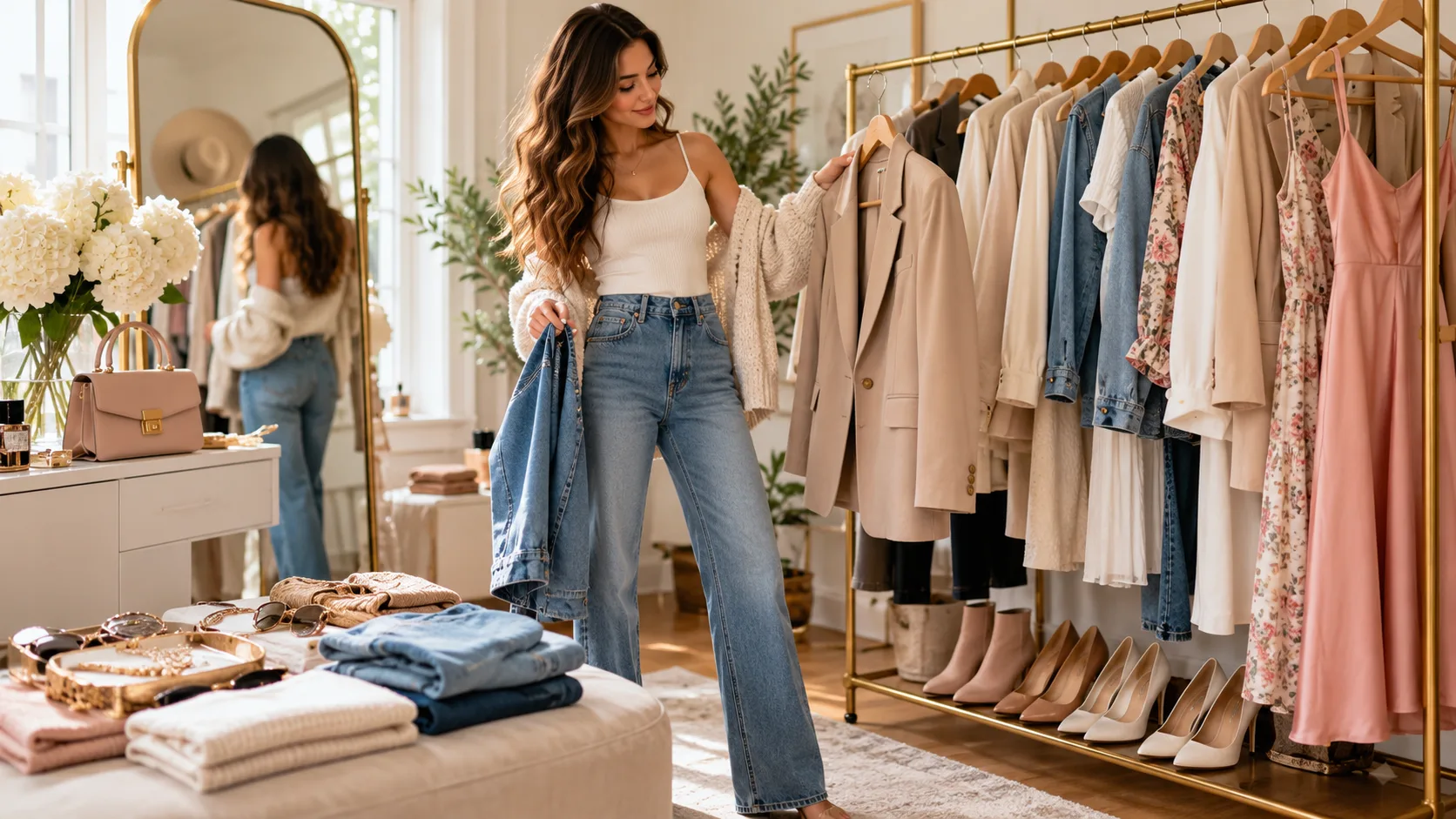
Knowing how to match clothes can make getting dressed easier, more enjoyable, and less time-consuming. Whether you are choosing an outfit for work, school, a casual outing, or a special occasion, understanding basic styling principles can help you combine clothing pieces with confidence. You do not need an expensive wardrobe or extensive fashion knowledge to create outfits that reflect your personal style.
Matching clothes involves combining colors, patterns, textures, and clothing styles in ways that create a balanced appearance. Simple techniques, such as pairing neutral colors with brighter pieces or choosing complementary accessories, can make outfit planning easier. Learning a few practical fashion rules also helps you make better use of clothes you already own.
Understanding the Basics of Matching Clothes
Matching clothes means selecting clothing pieces that work well together in terms of color, style, fabric, and overall appearance. A coordinated outfit does not require every item to share the same color or design. Instead, the goal is to create a combination that feels intentional, comfortable, and appropriate for your activities.
Color coordination is one of the easiest starting points because it provides a simple framework for choosing different garments. For example, a white shirt can work with blue jeans, black trousers, or beige pants. Neutral pieces offer flexibility, while colorful clothing can introduce variety and help express your individual fashion preferences.
Other factors, including texture, clothing proportions, and accessories, also influence the overall appearance of an outfit. A casual cotton T-shirt creates a different impression from a structured blazer, even when both share similar colors. Considering these details helps you create combinations that suit your personal preferences rather than following rigid fashion rules.
How to Match Clothes Using the Color Wheel
The color wheel is a useful tool for understanding relationships between different colors. It organizes colors into a circular arrangement that makes it easier to identify combinations that create contrast or harmony. Learning these basic relationships can help you coordinate shirts, pants, jackets, shoes, and accessories without relying entirely on guesswork.
Complementary colors appear opposite each other on the color wheel, such as blue and orange or red and green. These combinations create noticeable contrast and can make an outfit visually interesting. You can use softer shades or smaller accessories when you prefer a subtle appearance rather than wearing two strong colors in equal amounts.
Analogous colors sit next to each other on the color wheel, such as blue, blue-green, and green. These combinations often create a more unified appearance because the colors share similar characteristics. Experimenting with complementary and analogous combinations allows you to discover which relationships suit your preferences and the clothing pieces available in your wardrobe.
Start With Neutral Colors for Easy Outfit Matching
Neutral colors are among the most versatile options when learning how to match clothes. Black, white, gray, beige, navy, and brown can work with a wide range of additional shades. Keeping a few neutral garments in your wardrobe makes it easier to create different outfits without purchasing a completely new set of clothes.
For example, black trousers can be paired with a white shirt, blue sweater, or patterned blouse. Beige pants work well with navy, olive, cream, and many other colors. These combinations provide a straightforward foundation, allowing you to add brighter pieces without worrying about coordinating several strong colors at once.
Neutral outfits do not need to appear plain or repetitive. You can introduce visual interest through different fabrics, accessories, or subtle changes in color intensity. Combining a cream sweater with tan trousers and brown shoes, for instance, creates a coordinated look while using several related neutral shades.
How to Match Shirts and Pants
Matching shirts and pants is one of the most practical skills for building everyday outfits. Begin by considering the color and style of each garment before selecting a combination. A simple approach is to pair a patterned or colorful shirt with plain trousers, allowing one piece to become the main visual feature.
Classic combinations include white shirts with navy pants, black tops with beige trousers, and light blue shirts with dark jeans. These pairings are easy to adapt for different settings by changing footwear or adding layers. You can also experiment with earthy colors such as olive green, brown, and cream for additional variety.
The style of the garments matters as much as their colors. A formal button-down shirt may look appropriate with tailored trousers, while a relaxed T-shirt often pairs naturally with jeans or casual pants. However, mixing formal and casual clothing can also produce interesting outfits when the overall combination feels intentional and comfortable.
How to Match Clothes With Different Patterns
Mixing patterns can make an outfit more interesting, but combining several prints requires some attention to color and scale. Stripes, checks, floral designs, and geometric patterns can work together when they share a connecting element. Starting with two patterns that contain similar colors is a practical way to experiment.
One simple method is to pair a larger print with a smaller pattern. For example, a striped shirt may work with a subtly checked jacket when the colors coordinate. The difference in pattern scale helps distinguish the garments without requiring them to match exactly or creating an unnecessarily repetitive appearance.
If mixing prints feels complicated, start by wearing one patterned garment with neutral clothing. A floral shirt can pair with plain jeans, while patterned trousers may work with a simple solid-colored top. Once you become comfortable with these combinations, you can introduce additional patterns and develop more personalized outfit ideas.
How to Match Clothes Using the Three-Color Rule
The three-color rule is a popular styling guideline that suggests building an outfit around approximately three main colors. It can simplify clothing coordination by limiting the number of competing shades. However, this approach is only a helpful starting point, and outfits featuring more or fewer colors can also work beautifully.
For example, an outfit could include navy trousers, a white shirt, and brown shoes. Another combination might use black jeans, a gray sweater, and a green jacket. Choosing a small group of coordinated colors makes it easier to select accessories and maintain a consistent appearance across different clothing pieces.
The three-color rule becomes especially useful when planning outfits quickly or experimenting with unfamiliar combinations. You can also include multiple shades of the same color without treating every variation as a separate element. The purpose is to make styling easier, not to restrict creativity or discourage individual fashion preferences.
How to Match Shoes With Your Outfit
Shoes can influence the overall style of an outfit because they connect clothing choices with the occasion and intended level of formality. Sneakers, loafers, boots, sandals, and dress shoes can create different impressions even when worn with similar garments. Choosing footwear that suits your activities is just as important as selecting coordinating colors.
White sneakers are versatile because they can complement jeans, casual trousers, and many relaxed outfits. Black shoes can work with darker clothing, while brown footwear often pairs well with navy, beige, olive, and earthy shades. These combinations are useful guidelines rather than requirements, so alternative pairings are worth exploring.
Matching shoes does not mean they must be identical in color to another garment. Footwear can coordinate through a shared shade, complementary tone, or similar level of formality. For example, colorful sneakers can become an interesting feature of an otherwise neutral outfit while still feeling connected to the overall styling.
How to Match Accessories With Clothes
Accessories provide an opportunity to introduce color, texture, and individual personality into an outfit. Bags, belts, scarves, watches, and jewelry can complement clothing without requiring major wardrobe changes. Choosing accessories that relate to one another through color or style can make outfit coordination feel more deliberate.
For a simple everyday look, consider using one accessory to introduce a contrasting shade. A colorful scarf can brighten a neutral jacket, while a patterned bag can add variety to plain clothing. Repeating a small amount of an accessory color elsewhere in the outfit is another optional way to create visual continuity.
Accessories do not always need to match perfectly, and mixing different materials can produce appealing combinations. Gold-toned and silver-toned jewelry, for example, can be worn together when that suits your preferences. The most useful approach is to choose pieces that feel comfortable and support the overall style you want to create.
How to Match Casual Clothes for Everyday Wear
Casual outfit matching focuses on combining comfortable clothing with colors and styles that suit daily activities. Jeans, T-shirts, sweaters, casual trousers, and sneakers provide many possibilities for simple combinations. Starting with familiar clothing pieces can make outfit planning easier while leaving room to experiment with different colors and layers.
A basic casual outfit might include blue jeans, a white T-shirt, and a lightweight overshirt. Another option is pairing black trousers with a relaxed sweater and comfortable sneakers. These combinations can be adjusted using seasonal layers, accessories, and different footwear without changing the essential clothing pieces.
Casual outfits are also suitable for trying new styling ideas because they do not usually require strict dress codes. You might combine a patterned shirt with neutral pants or introduce a brighter jacket over familiar basics. The goal is to find combinations that support your daily routine and reflect your personality.
How to Match Formal and Professional Outfits
Formal and professional outfit coordination usually involves considering the expectations of a particular event or workplace. Tailored trousers, structured jackets, button-down shirts, blouses, and appropriate footwear are common options. Choosing garments with complementary colors and similar levels of formality can help create an outfit suited to the setting.
Navy, charcoal, black, cream, and other neutral shades are frequently used in professional clothing because they coordinate easily. A navy blazer can pair with gray trousers, while a cream blouse may complement dark tailored pants. Subtle patterns and different textures can introduce personality without requiring especially bright color combinations.
Not every workplace follows the same dress code, so personal preferences and organizational expectations should guide your choices. Some environments welcome colorful clothing and casual footwear, while others require more traditional business attire. Selecting comfortable garments that meet the occasion’s requirements is more useful than following one universal definition of professional style.
How to Match Clothes for Different Seasons
Seasonal outfit matching involves choosing clothing that suits changing temperatures and weather conditions. During warmer months, lightweight fabrics and comfortable layers can help you stay cool while enjoying different color combinations. Cotton, linen, and other breathable materials are common options for casual summer outfits.
Spring and summer often inspire combinations featuring pastels, lighter neutrals, and brighter colors. A pale blue shirt with cream trousers or a floral top with simple shorts can create a relaxed seasonal look. These colors are not mandatory, however, and darker clothing can also work well when the fabric and design suit the weather.
Autumn and winter provide opportunities to experiment with layering, textured fabrics, and different outerwear. Olive, burgundy, navy, brown, and gray are popular seasonal choices because they coordinate with many wardrobe basics. Sweaters, coats, scarves, and boots can be combined to create comfortable outfits that balance practical warmth with personal style.
How to Match Clothes With Different Textures
Texture refers to the appearance and feel of a fabric, including whether it looks smooth, soft, structured, knitted, or woven. Combining different textures can create an interesting outfit even when the colors remain similar. This technique is particularly useful for people who prefer neutral clothing but want more variety.
For example, a knitted sweater can pair with denim jeans, while a smooth cotton shirt may work with textured trousers. Leather accessories can also contrast with softer materials such as wool or cotton. These differences introduce visual variety without requiring bold patterns or several contrasting colors.
When experimenting with fabric combinations, consider comfort, weather, and the activities you have planned. Heavier materials may be suitable for cooler conditions, while lightweight fabrics can feel more practical during warmer weather. There is no requirement to use a particular texture combination, so choose fabrics that work with your preferences and daily needs.
How to Create Monochromatic Outfits
A monochromatic outfit uses one main color or several shades within the same color family. This styling approach can simplify outfit coordination because the garments already share a common visual connection. Rather than requiring identical colors, monochromatic dressing allows lighter, darker, and softer variations of one shade.
For example, you could combine a light blue shirt, navy trousers, and medium-blue outerwear. An earthy outfit might include cream, beige, and different shades of brown, although this is technically a neutral tonal combination rather than one strict hue. These pairings create visual consistency while allowing differences in fabric and design.
Monochromatic outfits can also become more interesting when you combine several textures or introduce one contrasting accessory. A dark green sweater with lighter green trousers may work with neutral shoes. Experimenting with tonal variations helps create coordinated outfits without requiring extensive knowledge of complex color relationships.
Common Mistakes to Avoid When Matching Clothes
One common styling mistake is believing that every clothing item must match perfectly. Wearing identical colors throughout an outfit is one option, but it is not the only way to coordinate clothing. Contrasting colors, complementary shades, and mixed textures can create equally effective combinations when they reflect your preferred style.
Another mistake is choosing clothing solely because a combination is popular without considering comfort or the occasion. A fashionable outfit may not be practical for the weather, your daily activities, or personal preferences. Selecting garments that allow comfortable movement and suit the setting helps make outfit planning more useful.
Some people also assume that creating coordinated outfits requires purchasing new clothes frequently. In reality, experimenting with different combinations of existing garments can reveal possibilities that were previously overlooked. Reorganizing your wardrobe, trying alternative layers, and changing accessories may help create fresh outfits without unnecessary spending.
How to Build a Wardrobe That Is Easy to Match
Building an easy-to-coordinate wardrobe begins with understanding which clothing pieces you enjoy wearing most often. Identify items that work for your usual activities, weather conditions, and preferred styles. This makes it easier to choose versatile garments that can be combined with several other pieces instead of purchasing items without a clear purpose.
A practical wardrobe might include neutral tops, comfortable trousers, everyday footwear, and a few useful layering options. You can then add colorful garments, patterns, or accessories that reflect your preferences. The specific number of items is less important than whether they meet your needs and can be worn comfortably.
Before buying something new, consider whether it can coordinate with clothing you already own. Thinking about possible combinations can help reduce unnecessary purchases and make your wardrobe easier to use. Over time, this approach supports more intentional shopping and allows your personal style to develop through experience rather than strict fashion rules.
Conclusion
Learning how to match clothes becomes easier when you understand basic color relationships, clothing styles, and outfit coordination. Neutral colors, complementary shades, and simple pattern combinations provide useful starting points for everyday styling. These techniques can help you combine wardrobe pieces without feeling restricted by complicated fashion rules.
Matching clothes also involves considering footwear, accessories, textures, and the occasion. A coordinated outfit does not require every garment to look identical or follow the latest trends. Experimenting with different combinations allows you to discover what feels comfortable and reflects your personal preferences.
The most practical approach is to start with clothes you already own and gradually explore new styling ideas. By understanding color coordination and using versatile wardrobe pieces, you can create outfits for different seasons and activities. Fashion offers room for creativity, so use styling guidelines as helpful tools rather than fixed requirements.
Frequently Asked Questions
What is the easiest way to match clothes?
Start with neutral colors such as black, white, beige, or navy, then add one colorful or patterned garment. This approach simplifies outfit coordination while allowing you to experiment with different personal styles.
What colors go well together in clothes?
Popular combinations include navy and white, black and beige, blue and brown, or green and cream. Complementary and analogous colors can also work well, depending on your preferred appearance.
What is the three-color rule in fashion?
The three-color rule suggests using approximately three main colors in one outfit. It can make clothing coordination easier, but it is only a guideline, and other color combinations can work equally well.
How do I match patterned clothes?
Begin by pairing one patterned garment with a solid-colored item. When mixing multiple prints, try using shared colors and different pattern sizes to create visual variety without requiring identical designs.
Do shoes have to match your clothes exactly?
No, shoes do not need to match your clothing perfectly. They can coordinate through neutral shades, complementary colors, similar textures, or an appropriate style for the occasion.




[…] How to match clothes: Ideas and Easy Styling Tips […]