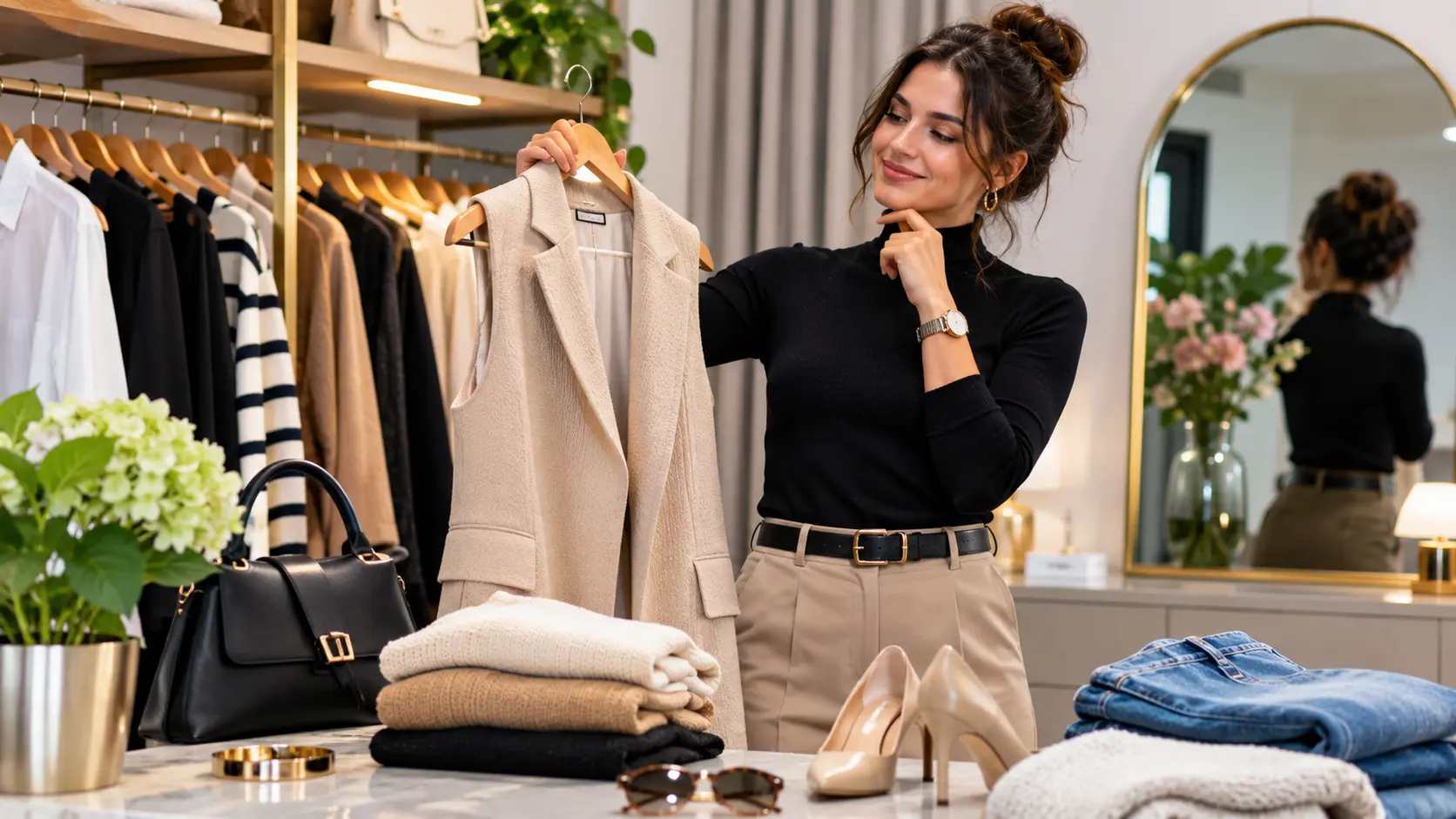
What Are Clothing Investment Pieces?
Clothing investment pieces are high-quality wardrobe items chosen for their durability, versatility, and long-term usefulness. Unlike clothes purchased for a short-lived trend, these pieces are intended to work with different outfits over time. Common examples include a well-made blazer, comfortable leather shoes, classic jeans, and a reliable coat. The goal is to build a practical wardrobe with clothes you enjoy wearing regularly.
An investment piece does not always need to come from an expensive designer brand. What matters most is how well the item is made, how comfortable it feels, and how often you use it. A reasonably priced jacket worn for several years may offer better value than an expensive coat rarely used. Smart clothing choices focus on personal needs rather than brand names.
Learning how to wear clothing investment pieces helps you create different outfits without constantly buying new clothes. A simple blazer can work with jeans, trousers, or a casual dress. Similarly, quality shoes can complement several everyday looks. By choosing versatile items and styling them thoughtfully, you can develop a wardrobe that feels organized, comfortable, and easy to use.
Why Investing in Quality Clothing Makes Sense
Buying fewer, carefully selected clothes can help reduce unnecessary shopping and make everyday dressing simpler. When pieces work well together, you spend less time deciding what to wear. Quality clothing may also last longer when properly maintained. However, durability depends on materials, construction, frequency of use, and care rather than price alone.
One important benefit of versatile clothing is the ability to create multiple outfits from familiar pieces. For example, a neutral cardigan can be worn over a shirt, paired with trousers, or layered with a dress. These combinations allow you to change your outfit without purchasing something new. A flexible wardrobe supports different activities, seasons, and personal preferences.
Another advantage is understanding the long-term value of clothing rather than focusing only on the purchase price. An item that receives regular use over several years may become a practical purchase. Meanwhile, something expensive that stays unused may offer little value. Thinking about everyday usefulness encourages more thoughtful shopping and helps reduce unnecessary wardrobe clutter.
How to Choose the Right Clothing Investment Pieces
Before purchasing an investment piece, consider your daily activities, personal style, and existing wardrobe. Someone who works in an office may benefit from versatile trousers and comfortable formal shoes. A person who spends more time outdoors may prefer a durable jacket. The best wardrobe investments support your actual lifestyle rather than an imagined collection of perfect outfits.
Color is another useful consideration because certain shades can coordinate easily with different clothing items. Black, navy, beige, gray, and cream are popular options for versatile wardrobes. However, bright colors can also be worthwhile investments when they match your preferences. Choosing colors you genuinely enjoy makes it more likely that you will wear the pieces regularly.
Comfort and practicality should guide your decisions alongside appearance. Check whether an item allows comfortable movement, feels suitable for your climate, and works with clothes you already own. Avoid purchasing something simply because it is described as essential or fashionable. A useful investment piece should fit naturally into your routine and make getting dressed easier.
Look for Quality Fabrics and Strong Construction
Fabric quality plays an important role in how clothing feels, performs, and holds up over time. Natural materials such as cotton, wool, linen, and silk offer different qualities depending on their construction. Synthetic fabrics can also provide useful durability, flexibility, and easy maintenance. The best material depends on the garment’s purpose, climate, and personal comfort preferences.
Examining construction details can help you judge clothing quality before making a purchase. Look for secure seams, neat stitching, functional closures, and fabric that feels appropriate for the garment. Buttons should be attached properly, while zippers should move smoothly. These simple checks can reveal potential problems that may affect how well an item withstands regular use.
Care requirements are equally important because some fabrics need more attention than others. A delicate garment requiring professional cleaning may not suit someone seeking low-maintenance everyday clothing. Check washing instructions and consider whether the required care fits your routine. Choosing manageable fabrics helps protect your purchase and makes regular wear more convenient.
Style a Classic Blazer for Different Occasions
A well-made blazer is a versatile clothing investment because it works with casual, smart-casual, and formal outfits. It can add structure to a simple combination of jeans and a plain shirt. A neutral blazer is easy to coordinate with different colors. However, a patterned or colorful blazer can also become a favorite when it suits your personal style.
For a casual outfit, wear your blazer with straight-leg jeans, a comfortable T-shirt, and sneakers. This combination works for casual meetings, outings, and everyday activities where you want a slightly polished look. You can also replace the T-shirt with a lightweight knit top. These simple changes help one blazer serve several different purposes.
For more formal settings, pair the same blazer with tailored trousers, a button-down shirt, or a simple dress. Loafers or other comfortable formal shoes can complete the outfit. Consider the dress expectations of the occasion before choosing accessories and layers. The most useful blazer is one that feels comfortable and works with different parts of your wardrobe.
Make a Quality Coat Part of Your Everyday Style
A reliable coat is another practical investment piece, especially for people living in colder climates. Depending on the weather, you might choose a wool coat, trench coat, or insulated jacket. Each style offers different levels of warmth and protection. Selecting appropriate outerwear helps you stay comfortable while coordinating easily with your everyday clothing.
A classic trench coat can be worn over jeans, trousers, skirts, or dresses during suitable weather. For a relaxed outfit, combine it with a simple shirt, comfortable pants, and everyday shoes. For work or formal occasions, wear it over more structured clothing. Its adaptable design makes a trench coat useful across several different outfit combinations.
A wool coat can also work with both casual and formal outfits during colder months. Pair it with knitwear and jeans for everyday activities or wear it over office clothing. Make sure the coat allows enough room for comfortable layering. Choosing outerwear based on climate and daily needs is more important than following a particular seasonal trend.
Wear Classic Jeans and Trousers in Multiple Ways
Well-made jeans are among the most useful wardrobe staples because they work with many different tops and shoes. Straight-leg, relaxed, and other comfortable styles can remain useful beyond a single fashion season. Choosing durable denim and practical details helps support regular wear. The best pair is one you enjoy wearing and can easily combine with existing clothing.
For a simple everyday outfit, pair jeans with a cotton T-shirt and comfortable sneakers. Add a cardigan, jacket, or button-down shirt when the weather changes. For a slightly smarter look, replace the T-shirt with a blazer or structured top. These combinations demonstrate how one pair of jeans can support several outfit styles without requiring additional purchases.
Tailored trousers offer similar versatility for work, school-related events, and other occasions requiring a more polished appearance. They can be styled with knitwear, plain shirts, or casual jackets. Comfortable loafers or sneakers may also work depending on the setting. Choose trousers with suitable fabric and movement so they remain practical throughout the day.
Use Knitwear and Button-Down Shirts as Wardrobe Staples
Quality knitwear can provide warmth, comfort, and flexibility across different seasons. Cardigans, pullovers, and lightweight sweaters are useful layering pieces that work with many outfits. They can be worn with jeans, trousers, skirts, or over dresses. Selecting comfortable fabrics and practical colors makes it easier to include knitwear in your regular clothing rotation.
A simple sweater can create several different looks depending on the pieces worn with it. Combine it with jeans and sneakers for a relaxed weekend outfit. Pair the same sweater with tailored trousers for a neat everyday appearance. During colder weather, add a coat or jacket for extra warmth without needing an entirely different outfit.
Button-down shirts are another useful investment because they can be worn independently or as layers. A cotton shirt works with denim for casual occasions and with trousers for professional settings. It can also be worn open over a plain top. Choosing breathable fabric and comfortable construction makes this familiar wardrobe item useful throughout different seasons.
Choose Shoes and Bags That Work With Your Wardrobe
Comfortable shoes are worth considering as investment pieces because they experience frequent wear and everyday movement. Practical options may include supportive sneakers, durable boots, loafers, or simple formal shoes. The right choices depend on your activities and local weather. A small selection of dependable footwear can support different outfits without requiring numerous pairs.
When evaluating shoes, consider comfort, construction, and suitability for their intended purpose. Check how they feel during walking and whether they provide the support you need. Expensive materials do not automatically guarantee greater comfort or durability. Choosing shoes that work well for your routine is more useful than buying a fashionable pair you rarely wear.
A practical everyday bag can also be a valuable wardrobe addition. Look for useful compartments, secure closures, and straps that feel comfortable during normal use. Neutral bags can coordinate easily with different outfits, but your preferred colors can work just as well. The best bag provides enough space for essentials without creating unnecessary inconvenience.
Mix Investment Pieces With Affordable Clothing
Creating an attractive wardrobe does not require every item to be expensive or considered an investment. Affordable basics can work beautifully alongside carefully chosen clothing staples. For example, a durable blazer can be paired with an inexpensive cotton T-shirt and familiar jeans. The overall combination matters more than the price of each individual item.
Mixing different price points also allows greater flexibility when exploring personal style. A quality coat might be worn with budget-friendly knitwear and comfortable everyday trousers. Simple accessories can change an outfit without requiring a new jacket or pair of shoes. This approach encourages creativity while keeping purchasing decisions connected to actual wardrobe needs.
Secondhand shopping is another practical way to find useful clothing without always paying full retail prices. Thrift stores and resale platforms may offer durable coats, jackets, and other wardrobe staples. Inspect their condition, measurements, and care requirements before purchasing. Buying pre-owned clothing can extend the useful life of garments while offering more choices within a budget.
Create More Outfits With Fewer Investment Pieces
One of the easiest ways to make clothing investment pieces more useful is to plan outfits around items you already own. Start with a favorite pair of trousers, a comfortable shirt, and a reliable jacket. Then experiment with different shoes or accessories. Small adjustments can create outfits suitable for different activities without requiring an entirely new wardrobe.
Layering is another simple technique that helps clothing work across changing temperatures. For example, a button-down shirt can be worn alone in warmer weather or beneath a sweater during colder days. A blazer or coat provides another layer when needed. This flexibility makes individual pieces more practical and reduces the need for separate outfits for every situation.
Creating a few familiar outfit combinations can also simplify busy mornings. You might prepare a comfortable everyday outfit, a smart-casual combination, and something suitable for formal occasions. These combinations can be adjusted according to weather and personal preference. Having dependable options makes dressing easier while leaving room for creativity and new ideas.
Care for Clothing Investment Pieces to Make Them Last
Proper clothing care helps maintain the appearance and usefulness of investment pieces over time. Always check garment labels before washing, drying, or ironing because materials require different treatments. Some items can be machine washed, while others need gentler handling. Following recommended care instructions can reduce unnecessary wear and help preserve fabric quality.
Storage also affects clothing condition, particularly for garments worn only during certain seasons. Some jackets benefit from suitable hangers, while heavier knitwear often stores better when folded. Keep clothing in a clean, dry space away from unnecessary moisture. Taking a few minutes to organize garments properly can help prevent stretching, wrinkles, and avoidable damage.
Minor repairs can extend the life of clothing that remains comfortable and useful. Replacing missing buttons, repairing small seams, or maintaining shoes may prevent the need for immediate replacement. Consider professional repairs when a garment requires specialized attention. Caring for the items you already own is often one of the most practical wardrobe investments.
Avoid Common Mistakes When Buying Investment Pieces
One common mistake is assuming that a high price automatically means better quality. Some expensive garments emphasize branding or design rather than long-term durability. Before buying, examine the materials, construction, and care requirements. Comparing different options helps you make informed decisions based on actual usefulness rather than marketing claims.
Another mistake is purchasing clothing that does not match your everyday activities. A formal jacket may look appealing, but it offers limited practical value when your routine rarely requires formal clothing. Likewise, uncomfortable shoes are unlikely to become regular wardrobe favorites. Choosing items that support your lifestyle helps reduce unnecessary spending and unused purchases.
Buying too many investment pieces at once can also create avoidable expenses. A better approach is identifying genuine wardrobe gaps and replacing items gradually when necessary. Consider whether each purchase works with clothes you already own. Thoughtful shopping helps create a useful wardrobe without pressure to constantly upgrade or follow changing fashion trends.
Conclusion
Clothing investment pieces can make everyday dressing easier by providing dependable items that work with many outfits. A useful blazer, comfortable shoes, durable jeans, and practical outerwear can support different occasions. The most important factors are quality, comfort, and regular use. Expensive labels are not necessary for building a versatile wardrobe.
Learning how to style investment clothing allows you to create fresh combinations from familiar pieces. Mixing quality staples with affordable basics, experimenting with layers, and choosing practical accessories can increase wardrobe flexibility. Proper maintenance also helps clothing remain useful for longer. These habits encourage thoughtful choices instead of unnecessary shopping.
The best investment wardrobe reflects your personal style, daily activities, and available budget. Start with clothing you already enjoy and identify items that would genuinely improve your outfit options. Choose carefully, maintain your garments, and wear them in ways that feel comfortable. A successful wardrobe is built around usefulness and personal preference rather than perfection.
FAQs
What Are Clothing Investment Pieces?
Clothing investment pieces are durable, versatile wardrobe items selected for long-term use. Examples include quality coats, blazers, jeans, knitwear, and shoes that can be worn regularly with different outfits.
Are Expensive Clothes Always Better Investments?
No, expensive clothing does not always provide better value or durability. Material quality, construction, comfort, and frequency of use are more important than the brand name or purchase price.
What Clothing Pieces Should I Invest in First?
Start with items you regularly wear, such as comfortable shoes, practical outerwear, dependable trousers, or a versatile jacket. Your lifestyle, climate, existing clothes, and budget should guide your choices.
How Can I Style Investment Pieces With Affordable Clothes?
Pair quality wardrobe staples with simple, affordable basics such as T-shirts, jeans, and knitwear. Use layers, different shoes, and accessories to create several outfits without purchasing expensive clothing for every occasion.
How Do I Know if Clothing Is Worth the Investment?
Consider how often you will wear it, how comfortable it feels, and whether it works with your wardrobe. Check construction, materials, care requirements, and price before making a decision.




[…] Clothing Investment Pieces: How to Wear It Well […]