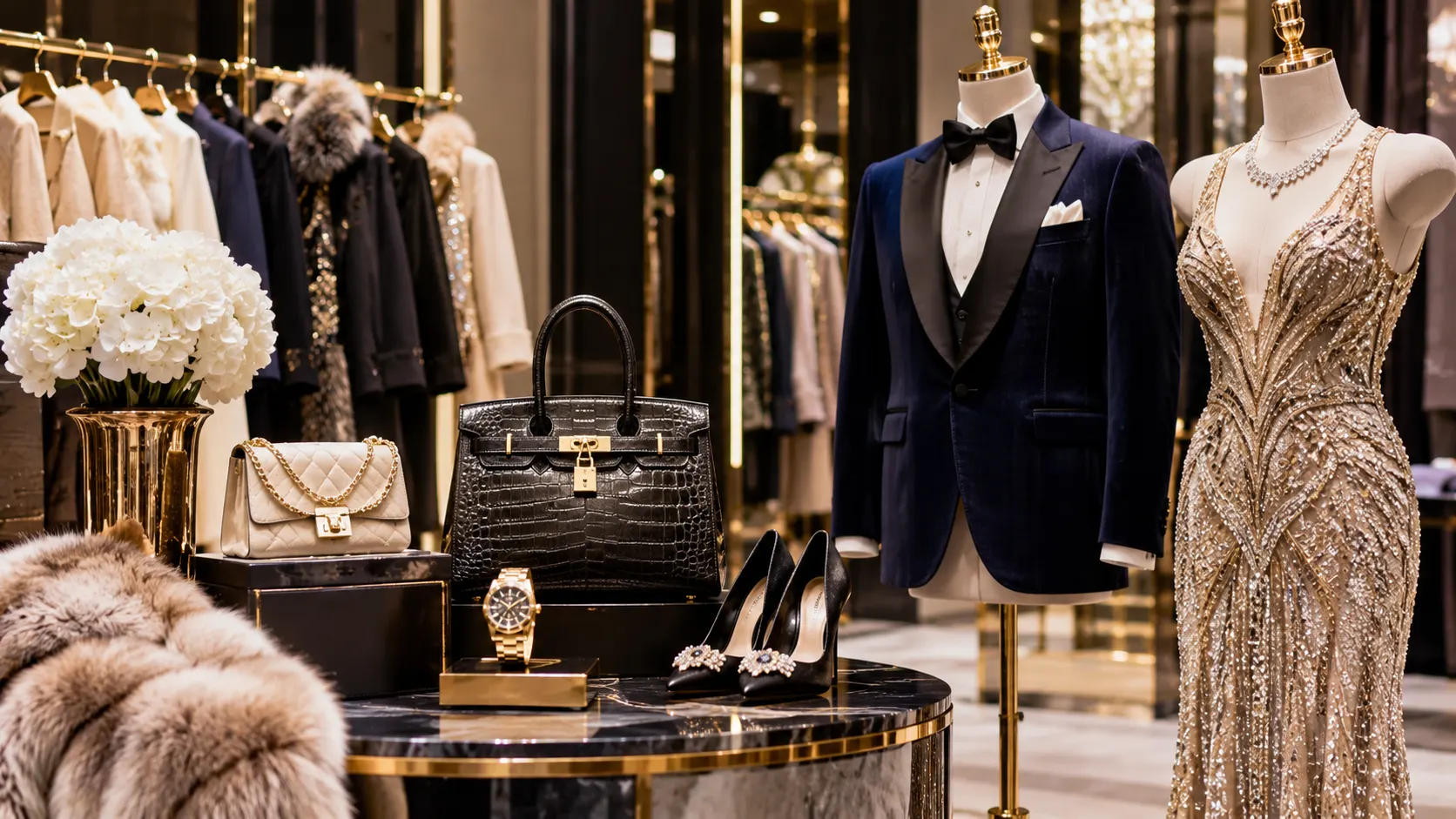
The most expensive clothing brands in the world are known for luxury craftsmanship, exclusive designs, premium materials, and remarkable fashion heritage. From elegant designer dresses to handcrafted suits and statement outerwear, these brands represent some of the highest price levels in the global fashion industry. Their collections often combine traditional techniques with modern creativity, attracting customers who appreciate distinctive clothing and luxury fashion.
However, expensive clothing does not always mean better quality or greater comfort. Designer reputation, limited production, marketing, and exclusivity can influence pricing alongside materials and craftsmanship. Understanding these factors makes it easier to appreciate how luxury fashion brands position their products. This guide explores famous expensive clothing brands, their distinctive qualities, signature designs, and the reasons behind their premium prices.
What Makes Luxury Clothing Brands So Expensive?
Luxury clothing prices reflect several factors beyond the materials used to produce individual garments. Fashion houses may invest heavily in design development, specialized craftsmanship, and detailed finishing techniques. Certain collections also involve complex tailoring or time-consuming decorative work. These production choices can increase costs, particularly when garments require experienced artisans and carefully controlled manufacturing processes.
Brand heritage and reputation also influence luxury fashion pricing. Established fashion houses often have decades of history associated with distinctive designs and recognizable clothing styles. Customers may value these traditions alongside the garments themselves. However, a famous label does not automatically guarantee that every product offers superior materials, durability, or practical value compared with less expensive alternatives.
Exclusivity is another important part of luxury fashion positioning. Some brands produce limited collections, offer made-to-measure services, or sell particular designs through selected boutiques. Marketing, retail locations, and customer experiences also contribute to the overall pricing structure. Understanding these factors helps explain why the most expensive clothing brands in the world can charge substantial premiums.
Hermès: Exceptional Craftsmanship and Luxury Heritage
Hermès is a French luxury fashion house recognized for its craftsmanship, heritage, and carefully developed product collections. Although the company is particularly famous for leather goods, it also produces premium ready-to-wear clothing. Its apparel includes tailored jackets, knitwear, dresses, coats, and other sophisticated wardrobe pieces. The brand emphasizes materials, construction, and understated design rather than relying exclusively on prominent logos.
The company’s fashion collections often feature refined silhouettes and carefully selected textiles. High-quality wool, silk, leather, and cashmere appear across different clothing categories. Certain garments involve specialized construction techniques that contribute to their premium positioning. However, prices vary significantly depending on the garment, collection, materials, and level of craftsmanship involved.
Hermès appeals to customers who appreciate traditional luxury and relatively restrained styling. Its clothing can feature distinctive details without relying on bold decoration. The brand’s reputation reflects its long history and broader luxury identity. For shoppers comparing expensive designer clothing, Hermès represents an approach centered on craftsmanship, established design traditions, and premium product presentation.
Chanel: Timeless Designs and Haute Couture Fashion
Chanel is one of the most recognizable names in luxury fashion. Founded by Gabrielle Chanel, the French fashion house became associated with influential clothing designs and refined personal style. Its signature aesthetic includes tweed jackets, coordinated suits, dresses, and elegant knitwear. These recognizable pieces continue to influence modern fashion collections and designer clothing trends.
Chanel’s haute couture collections demonstrate an especially detailed approach to garment construction. Couture pieces may involve handwork, intricate embellishments, specialized fitting, and carefully developed textiles. Its ready-to-wear collections offer a different production model while maintaining distinctive design characteristics. The costs associated with these categories vary, making it important to distinguish exclusive couture garments from standard designer clothing.
The brand’s pricing also reflects its established reputation and recognizable fashion identity. Customers may appreciate the traditional jacket construction, decorative buttons, and coordinated styling associated with Chanel collections. However, the value of individual pieces depends on personal preferences and practical requirements. Chanel remains an important example of how recognizable designs and luxury positioning influence clothing prices.
Dior: French Elegance and Designer Fashion
Dior is a major French luxury fashion house known for influential clothing collections and elegant design traditions. Founded by Christian Dior, the brand became famous for its distinctive approach to women’s fashion. Its collections have included structured jackets, tailored dresses, dramatic skirts, and sophisticated eveningwear. Contemporary Dior clothing continues to explore different silhouettes while reflecting elements of the house’s fashion heritage.
Dior produces both ready-to-wear fashion and haute couture collections. These categories involve different levels of customization, production, and craftsmanship. Couture garments may require extensive fitting and specialized handwork, while ready-to-wear pieces are produced in standardized sizes. This distinction helps explain why some Dior creations carry significantly higher prices than others within the same brand.
Designer creativity and fashion-house identity also contribute to Dior’s premium position. Seasonal collections introduce new interpretations of tailoring, fabrics, decorative elements, and established design references. Customers interested in luxury dresses, coats, or formal clothing may explore these collections for inspiration. However, high prices should always be evaluated alongside construction, materials, comfort, and intended use.
Louis Vuitton: Luxury Clothing and Global Recognition
Louis Vuitton is internationally recognized for luxury products, including designer clothing, leather goods, and accessories. Although the brand began with travel-related products, its fashion collections have become an important part of its identity. Louis Vuitton produces ready-to-wear clothing featuring contemporary tailoring, distinctive prints, and creative design details. Its collections often combine familiar brand elements with changing fashion influences.
The brand’s clothing includes jackets, trousers, dresses, knitwear, and other designer pieces. Some garments use recognizable patterns or prominent branding, while others feature more restrained designs. Materials, production methods, and collection-specific details contribute to different price levels. Customers should compare individual items rather than assuming every garment carries the same quality characteristics.
Louis Vuitton’s international recognition also contributes to its luxury positioning. Fashion presentations, boutique environments, and creative collaborations help maintain interest in its collections. These activities form part of the broader brand experience reflected in pricing. For people researching expensive clothing brands, Louis Vuitton illustrates how fashion design, marketing, and established reputation can work together.
Gucci: Bold Designs and Italian Luxury Fashion
Gucci is an Italian luxury fashion house known for expressive clothing, distinctive patterns, and recognizable design references. Its fashion collections have included tailored suits, colorful knitwear, printed shirts, and statement outerwear. The brand frequently explores different interpretations of classic and contemporary fashion. This creative variety attracts customers interested in clothing that offers a noticeable personal style.
Materials and garment construction vary across Gucci’s collections. Some pieces emphasize tailoring and traditional fabric choices, while others focus on prints, decorative details, or unusual combinations. The price of each garment depends on several factors, including product category and design complexity. A heavily decorated jacket may involve different manufacturing requirements from a relatively simple cotton shirt.
Gucci’s pricing also reflects its global reputation and distinctive fashion identity. The brand’s recognizable symbols and design history contribute to its position within the luxury market. However, customers should not evaluate clothing entirely through logos or popularity. Fabric quality, construction, wearability, and personal preference remain important considerations when comparing expensive designer garments.
Prada: Minimalism, Innovation, and Premium Clothing
Prada is an Italian luxury fashion house recognized for its influential designs and willingness to experiment with materials. Its collections often combine clean silhouettes with unexpected details and modern styling ideas. The brand produces tailored clothing, outerwear, dresses, shirts, and knitwear. Its approach can range from understated designs to more expressive fashion concepts depending on the collection.
Material innovation has played an important role in Prada’s design identity. The company has explored technical fabrics alongside more traditional textiles such as wool, cotton, and leather. These choices influence how garments look, feel, and perform. However, premium pricing does not necessarily indicate that a material is rare or more suitable for every customer’s needs.
Prada appeals to shoppers who appreciate contemporary fashion and distinctive design decisions. Some pieces feature minimal decoration, while others emphasize unusual construction or contrasting materials. This variety allows the brand to explore different interpretations of luxury clothing. When considering Prada garments, buyers can evaluate whether the design offers lasting practical value for their personal wardrobes.
Loro Piana: Premium Fabrics and Understated Luxury
Loro Piana is an Italian luxury brand particularly associated with premium textiles and understated clothing. Its collections frequently emphasize cashmere, fine wool, and other carefully selected materials. Rather than relying heavily on visible branding, many garments focus on fabric texture, comfort, and refined construction. This approach has made Loro Piana a prominent name in discussions about quiet luxury fashion.
The brand offers knitwear, coats, jackets, trousers, and other clothing designed around textile quality. Certain products use specialized fibers or require additional care during manufacturing. These characteristics can contribute to high retail prices. However, material descriptions should be evaluated carefully because fabric composition and quality can vary across different collections and individual garments.
Loro Piana clothing often appeals to people who prefer subtle designs over prominent logos. Neutral colors, relaxed tailoring, and soft textures frequently appear in its collections. The brand demonstrates how luxury pricing can be associated with materials and restrained styling rather than elaborate decoration. Its garments also highlight the importance of proper care when owning delicate textiles.
Brunello Cucinelli: Italian Craftsmanship and Quiet Luxury
Brunello Cucinelli is an Italian luxury clothing brand known for refined casualwear, knitwear, and tailored garments. The company has developed a recognizable identity around understated design and premium materials. Its collections include cashmere sweaters, jackets, trousers, shirts, and other versatile clothing. Many pieces feature neutral colors and relatively simple silhouettes that emphasize fabric and construction.
Cashmere is particularly important to the brand’s fashion identity. Its knitwear often combines soft textures with carefully considered finishing details. The company also produces structured clothing and accessories designed to complement its broader collections. As with other luxury brands, prices depend on the specific garment, materials, manufacturing requirements, and retail positioning.
Brunello Cucinelli represents an approach to expensive fashion that prioritizes understated appearance. The garments are often designed to coordinate with familiar wardrobe pieces rather than create dramatic visual statements. Customers may appreciate this flexibility when considering long-term clothing use. However, practical value still depends on comfort, care requirements, and how frequently an item is worn.
Kiton: Handcrafted Tailoring and Exclusive Clothing
Kiton is an Italian luxury fashion house associated with high-end tailoring and carefully constructed garments. The brand is particularly recognized for men’s suits, jackets, and formal clothing, although its collections extend into other categories. Its reputation is closely connected to specialized tailoring skills. Certain garments involve extensive hand-finishing and detailed production techniques.
A high-end Kiton suit may require careful fabric selection, precise pattern development, and numerous construction stages. These processes can increase labor requirements compared with more standardized clothing production. However, the degree of handwork and customization differs between product lines. Customers should review individual garment specifications rather than assuming every piece receives identical treatment.
Kiton appeals to shoppers interested in tailored clothing and traditional garment construction. Its premium pricing reflects craftsmanship, materials, production methods, and luxury market positioning. For people comparing expensive formalwear brands, the company provides an example of specialized tailoring. Fit, comfort, and construction quality remain especially important when evaluating suits and structured jackets.
Brioni: Luxury Suits and Tailoring Excellence
Brioni is an Italian luxury fashion house known for tailored suits, formalwear, and sophisticated menswear. Its collections reflect a long tradition of garment construction and attention to tailoring details. The company produces suits, jackets, coats, shirts, and other premium clothing. Its reputation is closely associated with elegant silhouettes and specialized tailoring services.
Brioni offers different clothing options, including ready-to-wear pieces and personalized tailoring services. The level of customization can influence the production process and overall price. Premium fabrics and skilled construction contribute to the brand’s luxury positioning. However, the most expensive option is not automatically the best choice for every customer or occasion.
When evaluating Brioni or similar tailoring brands, fit deserves particular attention. A carefully constructed suit should accommodate movement and suit the intended setting. Fabric durability, maintenance requirements, and versatility also influence its usefulness. Brioni demonstrates how traditional tailoring remains an important category within the global market for expensive designer clothing.
How to Compare the Most Expensive Clothing Brands
Comparing luxury clothing brands requires more than reviewing their retail prices. Different labels specialize in different products, making direct rankings difficult. One brand may offer particularly expensive couture dresses, while another focuses on tailored suits or premium knitwear. Without a consistent product category and pricing method, identifying a single most expensive clothing brand is not straightforward.
Materials and construction provide useful comparison points. Look at fabric composition, garment finishing, stitching quality, and how well clothing accommodates movement. Consider whether delicate materials require specialized cleaning or maintenance. These details can influence the actual cost of ownership and help determine whether an expensive garment suits your practical requirements.
Personal style and intended use should also guide comparisons. A luxury coat might be more useful than a statement dress for someone seeking everyday clothing. Similarly, a tailored suit may offer value to a person who frequently attends formal events. The best choice depends on individual preferences, rather than simply selecting whichever brand charges the highest price.
Conclusion
The most expensive clothing brands in the world represent different approaches to luxury fashion. Hermès, Chanel, Dior, Louis Vuitton, Gucci, Prada, Loro Piana, Brunello Cucinelli, Kiton, and Brioni are widely recognized for their premium clothing collections. Their reputations reflect combinations of design heritage, specialized craftsmanship, distinctive materials, and global brand recognition.
However, luxury clothing prices are influenced by more than manufacturing expenses. Exclusivity, marketing, retail experiences, and brand positioning can contribute significantly to what customers pay. Some fashion houses emphasize elaborate couture, while others focus on refined tailoring or premium textiles. Understanding these differences makes comparisons between expensive clothing brands more meaningful.
When exploring luxury fashion, consider comfort, construction, fabric quality, and personal preferences alongside price. An expensive label does not automatically make a garment more suitable for your wardrobe. Whether you appreciate designer creativity or traditional craftsmanship, informed comparisons help you understand what makes luxury clothing distinctive without treating high prices as the only measure of value.
Frequently Asked Questions
What is the most expensive clothing brand in the world?
There is no universally accepted most expensive clothing brand because prices differ across couture, ready-to-wear, and bespoke clothing. Hermès, Chanel, Dior, Kiton, and Brioni are among the brands associated with exceptionally high-priced garments.
Why are luxury clothing brands so expensive?
Luxury clothing prices reflect factors such as craftsmanship, premium materials, specialized production, designer reputation, exclusivity, and marketing. Some garments require extensive handwork, although high prices do not always guarantee superior practical quality.
Which clothing brands are known for quiet luxury?
Loro Piana and Brunello Cucinelli are especially associated with quiet luxury styling. Their collections frequently emphasize premium fabrics, understated designs, neutral colors, and relatively restrained branding instead of prominent logos.
What are the most expensive designer suit brands?
Kiton and Brioni are well-known luxury tailoring brands offering premium suits and formalwear. Prices vary depending on fabric selection, customization, construction methods, and whether a garment is ready-to-wear or individually tailored.
Is expensive designer clothing always better quality?
No, expensive designer clothing is not automatically better quality. Materials, construction, comfort, durability, and care requirements vary between products, so evaluating individual garments is more useful than relying entirely on brand reputation.




[…] Most Expensive Clothing Brands in the World […]