Evening event styling is about creating a polished, comfortable, and occasion-appropriate look for special gatherings. Whether you are attending a formal dinner, wedding reception, cocktail party, or corporate celebration, choosing the right outfit can make getting ready easier. The best evening outfits combine thoughtful clothing choices with practical accessories. Understanding a few basic styling principles helps you create elegant looks without unnecessary complications.
Dressing for an evening occasion does not always require expensive clothing or an entirely new wardrobe. Simple pieces can look refined when paired with suitable footwear, accessories, and complementary colors. The key is understanding the dress code, venue, weather, and atmosphere of the event. These details help you select clothing that feels appropriate while reflecting your personal style.
From choosing fabrics to coordinating accessories, small decisions can make a noticeable difference in your overall outfit. Evening fashion offers opportunities to experiment with textures, colors, and silhouettes while keeping comfort in mind. This guide explores practical evening event styling tips for different occasions and preferences. You will also discover common mistakes to avoid and simple ways to prepare confidently.
What Is Evening Event Styling?
Evening event styling involves selecting and coordinating clothing, footwear, and accessories for gatherings held later in the day. These events often have different expectations from casual daytime activities. Depending on the occasion, outfits may feature tailored pieces, refined fabrics, or understated decorative details. The goal is to create a coordinated appearance that suits the setting.
Evening wear can range from relaxed smart-casual outfits to formal dresses and tailored suits. A casual dinner with friends may require very different clothing from a black-tie celebration. Understanding these differences helps prevent outfits from feeling overly formal or underdressed. Personal preferences also matter because an appropriate outfit should allow comfortable movement and natural self-expression.
Successful styling considers the entire outfit rather than focusing on one statement piece. Clothing proportions, fabric texture, footwear, and accessories all contribute to the finished look. Even simple combinations can appear polished when the elements work well together. Learning how these details interact makes dressing for evening occasions more straightforward and enjoyable.
Understand the Evening Event Dress Code
The first step in evening event styling is understanding what the occasion expects. Invitations may mention dress codes such as cocktail attire, formal wear, semi-formal clothing, or black tie. Each category provides general guidance about suitable outfits and accessories. Reviewing the invitation carefully can help you avoid unnecessary uncertainty when planning your appearance.
Cocktail attire usually allows polished dresses, tailored separates, jumpsuits, and smart suits. Formal events often call for more refined clothing, such as elegant gowns or dark tailored suits. Black-tie occasions traditionally involve tuxedos and formal eveningwear. However, dress code interpretations can vary depending on the host, venue, and cultural expectations.
When the invitation does not specify a dress code, consider the event location and purpose. A hotel ballroom may suggest more formal clothing than a relaxed garden gathering. You can also ask the host about expectations if the setting remains unclear. Understanding the atmosphere allows you to make confident clothing choices without relying on unnecessary assumptions.
Choose the Right Outfit for an Evening Occasion
Selecting an evening outfit begins with considering comfort, personal style, and the type of celebration. Dresses, jumpsuits, coordinated separates, and tailored suits are all practical options. The most suitable choice depends on the event’s formality and your preferences. Focus on clothing that allows you to move comfortably while creating the appearance you want.
For semi-formal gatherings, a midi dress or tailored trousers with a refined top can work well. A blazer or structured jacket can add polish without making the outfit feel overly elaborate. For formal celebrations, longer dresses or coordinated suits may better match the occasion. Simple designs can also look sophisticated when paired with thoughtfully chosen accessories.
Avoid selecting clothing solely because it follows a temporary fashion trend. An outfit that suits your preferences and practical needs is more likely to feel comfortable throughout the event. Consider factors such as seating, dancing, walking, and expected temperatures. Choosing versatile pieces makes it easier to create evening looks for future occasions.
Best Colors for Elegant Evening Outfits
Color plays an important role in shaping the overall appearance of evening clothing. Classic shades such as black, navy, burgundy, and deep green are popular because they coordinate easily with accessories. However, lighter colors and bright shades can also work beautifully for evening occasions. The best choice depends on personal preference and the event atmosphere.
Monochromatic outfits create a coordinated appearance by combining pieces within the same color family. For example, navy trousers paired with a similar jacket and complementary shoes can form a refined ensemble. Alternatively, contrasting colors can add interest when balanced thoughtfully. Choosing one dominant shade often makes accessory coordination easier.
Seasonal influences may also guide color selection without creating strict rules. Jewel tones can complement winter celebrations, while soft pastels may suit warmer evening gatherings. Metallic details can introduce subtle brightness through jewelry, shoes, or handbags. Ultimately, wearing a color you enjoy is more important than following restrictive styling expectations.
Select Fabrics That Work for Evening Events
Fabric selection can influence how an outfit looks, feels, and performs during an event. Materials such as satin, silk, velvet, chiffon, and crepe are commonly associated with evening fashion. Their textures can add visual interest to simple clothing designs. However, fabric quality, comfort, and construction matter more than choosing a particular material.
Satin and silk can create a smooth appearance suitable for dinners and formal gatherings. Velvet offers a richer texture often associated with cooler-weather celebrations. Chiffon provides lightweight movement, while crepe can create a clean, structured look. Each fabric has different care requirements and practical characteristics that should be considered before wearing it.
The event location and temperature should also influence fabric choices. Heavy materials may become uncomfortable in warm environments, while lightweight clothing may require additional layers during colder evenings. Consider how easily the material wrinkles or requires special cleaning. Choosing practical fabrics helps maintain comfort and reduces last-minute preparation concerns.
How to Style Evening Dresses and Jumpsuits
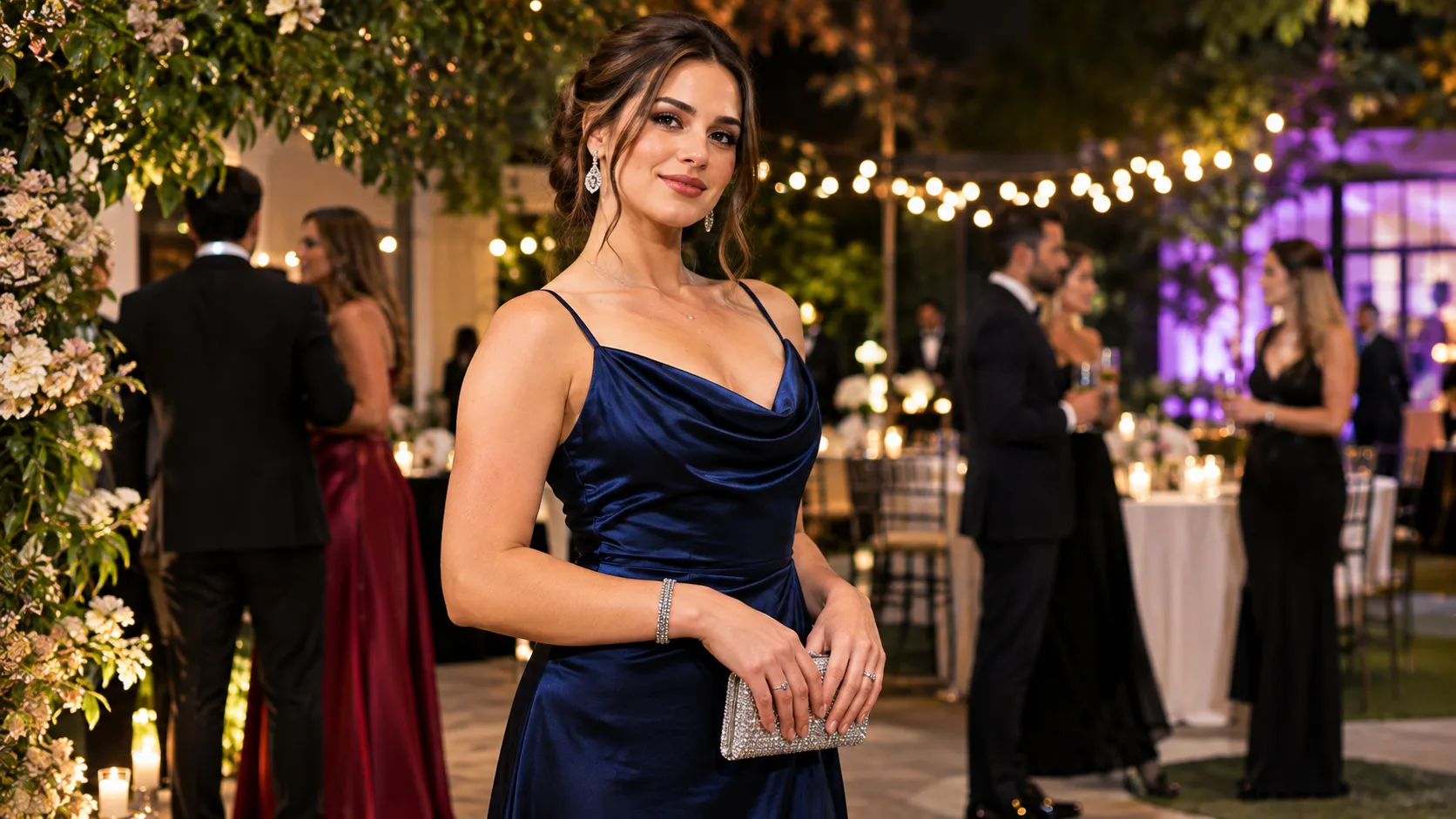
Evening dresses provide a convenient starting point because they create a complete outfit with relatively few pieces. Midi dresses, maxi dresses, and shorter cocktail styles can suit different occasions. The right length depends on the dress code and personal preference. Accessories can then be selected to complement the outfit without making it unnecessarily complicated.
Jumpsuits offer another versatile option for evening celebrations. Tailored designs can create a polished appearance while allowing a different alternative to traditional dresses. Pairing a jumpsuit with refined shoes and a coordinated handbag can make it suitable for many formal or semi-formal gatherings. A jacket or shawl may provide additional coverage when needed.
When styling a dress or jumpsuit, consider the overall balance between clothing and accessories. A design with detailed embroidery or sequins may work well with simpler jewelry. Minimal clothing can provide more room for statement accessories. Maintaining a clear visual focus helps create an organized look that reflects your personal preferences.
Evening Event Styling With Tailored Separates
Tailored separates are a practical choice for people who prefer flexible evening clothing combinations. Structured trousers, skirts, blazers, and refined tops can be mixed to create different outfits. These pieces can also be worn for other occasions, making them useful wardrobe investments. Thoughtful coordination helps separates look intentional rather than randomly combined.
A tailored blazer can add structure to a simple outfit without requiring extensive accessories. Pairing it with coordinated trousers creates a smart ensemble suitable for corporate dinners or semi-formal events. Alternatively, a refined blouse with a midi skirt can create a softer appearance. Fabric texture and footwear help establish the level of formality.
The advantage of separates is their adaptability across different settings. A blazer used for a professional gathering can be styled differently for a celebration with friends. Changing shoes, jewelry, or the inner top can refresh the overall appearance. This flexibility makes tailored separates valuable for building a practical evening wardrobe.
Choose Comfortable and Stylish Evening Shoes
Footwear is an essential part of evening event styling because it affects both appearance and comfort. Popular options include dress shoes, loafers, elegant flats, block heels, and other formal designs. The most suitable pair depends on the dress code and expected activities. Shoes should provide adequate support for walking, standing, or dancing.
Consider the venue before deciding on footwear. Outdoor locations with grass or uneven pathways may make certain narrow heels less practical. Indoor celebrations with extensive walking may require more supportive shoes. Testing footwear before the event can help identify uncomfortable pressure points and reduce the chance of distracting discomfort.
Shoes do not need to match every accessory perfectly to create a coordinated outfit. Instead, choose footwear that complements the clothing’s colors and overall formality. Neutral shades can work with many outfits, while contrasting colors may create a statement. Prioritizing comfort allows you to enjoy the occasion without constantly adjusting your footwear.
Accessorize Your Evening Outfit Without Overdoing It
Accessories can transform simple evening clothing into a more personalized and polished ensemble. Jewelry, handbags, watches, belts, and decorative hair accessories provide opportunities for creative styling. The key is selecting pieces that complement rather than compete with the outfit. A coordinated approach helps maintain visual balance while allowing individual details to stand out.
Statement earrings or a bold necklace can become the central accessory in an otherwise simple outfit. When clothing already includes elaborate detailing, understated jewelry may create a more balanced appearance. Coordinating metal finishes or complementary colors can also improve the overall look. However, mixing different accessories is perfectly acceptable when done intentionally.
A practical evening handbag should accommodate essential belongings without becoming inconvenient to carry. Small shoulder bags, clutches, and compact crossbody styles are common options. Consider the event’s activities and how frequently you will need access to your belongings. Selecting functional accessories makes an evening outfit both attractive and easier to manage.
Evening Hairstyle and Grooming Tips
Hair styling can help complete an evening appearance without requiring a complicated routine. Simple options include loose waves, sleek ponytails, braids, and polished updos. The best hairstyle depends on your preferences, hair type, and the event’s formality. Choosing a manageable style can reduce preparation time and improve comfort throughout the evening.
Consider whether the occasion involves outdoor conditions, dancing, or extended travel. Hairstyles that require frequent adjustments may become inconvenient during longer events. Hair accessories can add a decorative element while also serving a practical purpose. Preparing the hairstyle in advance can help you identify what feels comfortable and manageable.
Grooming details should support personal comfort rather than follow rigid appearance expectations. Clean clothing, neatly maintained accessories, and thoughtful preparation can help create a polished look. Makeup is optional and can range from minimal to more expressive styles. The overall goal is to feel prepared and comfortable while expressing your preferred personal style.
Evening Event Styling for Different Seasons
Seasonal conditions can influence the fabrics, layers, and accessories needed for evening celebrations. Summer events may call for breathable materials and lightweight clothing that supports comfort in warm environments. Winter gatherings often require warmer layers and practical outerwear. Planning around expected weather helps prevent discomfort during travel and outdoor activities.
For warmer evenings, consider lightweight crepe, breathable cotton blends, or other comfortable fabrics that suit the dress code. Open or closed footwear can be selected according to the venue and personal preference. Accessories should remain practical for the temperature and activities. Carrying a light layer may also help when moving between outdoor spaces and air-conditioned rooms.
Cold-weather evening styling offers opportunities to incorporate coats, scarves, and textured fabrics. A tailored coat can complement formal clothing while providing necessary warmth. Velvet, wool blends, and other suitable materials may be practical choices depending on the event. Coordinating outerwear with the main outfit helps maintain a polished appearance throughout the occasion.
Evening Event Outfits for Different Occasions
Different evening occasions require different levels of formality and practical preparation. A birthday dinner may allow relaxed clothing, while a gala typically calls for more formal attire. Wedding receptions may involve cultural traditions or specific guest expectations. Understanding the nature of each event helps create an outfit that feels appropriate.
For a corporate evening gathering, tailored separates or a simple refined dress can create a professional appearance. Cocktail parties often allow more flexibility with colors, fabrics, and accessories. Formal dinners may favor understated elegance and comfortable structured clothing. Choosing pieces that suit the event prevents the need for unnecessary last-minute changes.
Cultural and religious celebrations may also involve particular clothing customs or expectations. Respecting these traditions helps ensure your outfit fits the occasion. When unsure, reviewing event details or contacting the host can provide useful guidance. Thoughtful preparation allows you to enjoy different gatherings while expressing your individual fashion preferences.
How to Create Evening Outfits on a Budget
Building stylish evening outfits does not require purchasing expensive clothing for every occasion. Start by reviewing pieces already available in your wardrobe. A simple dress, tailored trousers, or structured jacket may work for multiple events with different accessories. Reusing versatile clothing encourages practical spending and makes outfit planning easier.
Secondhand shopping, clothing exchanges, and rental services can provide additional options when a specific dress code requires something different. These approaches may help reduce expenses while offering access to a wider range of styles. However, always check clothing condition, comfort, and fit before making a decision. Practical choices are more useful than purchasing items that will rarely be worn.
Accessories can also refresh familiar outfits without major spending. Changing footwear, adding a scarf, or selecting different jewelry may create a noticeably different appearance. Simple clothing alterations can improve comfort and help existing garments work for new occasions. A flexible wardrobe makes evening event styling more affordable and sustainable over time.
Common Evening Event Styling Mistakes to Avoid
One common mistake is choosing an outfit without considering the event’s dress code. Clothing that feels comfortable for a casual dinner may not meet the expectations of a formal celebration. Reviewing the invitation and venue information helps prevent avoidable confusion. Planning ahead provides time to adjust clothing choices when necessary.
Another mistake is prioritizing appearance while overlooking practical comfort. Shoes that are difficult to walk in or clothing that restricts movement may become distracting during long events. The weather and planned activities should also influence outfit selection. Comfortable clothing allows you to participate naturally without repeatedly adjusting your outfit.
Overcomplicating accessories can make getting ready more stressful than necessary. Too many competing details may distract from the clothing’s overall design. Selecting a few complementary pieces often creates a more coordinated appearance. Preparing clothes, shoes, and accessories before the event reduces last-minute decisions and supports a smoother experience.
Easy Evening Event Styling Tips for Beginners
Beginners can simplify evening styling by starting with one versatile outfit as the foundation. A plain dress, tailored suit, or coordinated separates provide useful options for many occasions. Once the main clothing is selected, choose accessories that support the desired formality. This step-by-step approach makes outfit planning less overwhelming.
Experimenting with different combinations before the event can help identify what works comfortably. Try the complete outfit, including footwear and outerwear, rather than evaluating each piece separately. Walk, sit, and move naturally to check practical comfort. Making adjustments in advance reduces uncertainty and helps prevent unexpected wardrobe problems.
Keeping a small collection of reliable evening pieces can also simplify future preparations. Neutral footwear, a practical handbag, and versatile clothing provide a useful starting point. These items can be combined with different accessories to suit changing occasions. Over time, developing personal styling preferences makes selecting evening outfits easier and more enjoyable.
How to Build a Versatile Evening Wardrobe
A versatile evening wardrobe begins with clothing that works across several dress codes and settings. Tailored trousers, a simple dress, a coordinated jacket, and refined tops offer useful starting pieces. Choosing garments that combine easily can reduce unnecessary purchases. The goal is creating practical options rather than collecting clothing for every possible occasion.
Consider which evening events you attend most frequently before adding new items. Someone who regularly attends professional dinners may benefit from tailored separates, while another person may prefer adaptable celebration outfits. Personal comfort and lifestyle should guide purchasing decisions. This approach helps create a wardrobe that supports real needs rather than temporary trends.
Maintaining clothing properly also extends its usefulness. Follow garment care instructions, store delicate fabrics carefully, and address minor repairs when necessary. Organizing evening outfits separately can make future styling decisions more convenient. With thoughtful planning, a small collection of versatile pieces can support a wide range of special occasions.
Conclusion
Evening event styling becomes easier when you understand the occasion, dress code, and practical requirements. Choosing suitable clothing, comfortable footwear, and complementary accessories helps create a coordinated appearance. Fabrics, colors, and seasonal conditions also influence outfit planning. The best results come from combining thoughtful preparation with personal style and everyday comfort.
Creating polished evening outfits does not require an expensive wardrobe or complicated fashion rules. Versatile dresses, tailored separates, and carefully selected accessories can work across multiple celebrations. Preparing complete outfits in advance helps reduce uncertainty and avoid common styling mistakes. Small adjustments can make familiar clothing suitable for different venues and events.
Ultimately, successful evening styling is about choosing clothes that help you enjoy the occasion comfortably and confidently. Whether attending a formal dinner, wedding reception, or casual gathering, thoughtful coordination makes preparation simpler. Focus on practical details while allowing room for personal expression. With experience, creating suitable evening looks becomes a natural and enjoyable process.
Frequently Asked Questions
What Should I Wear to an Evening Event?
Choose an outfit based on the event’s dress code, venue, and atmosphere. Dresses, tailored suits, jumpsuits, and coordinated separates are versatile options that can be styled for different levels of formality.
How Can I Make a Simple Outfit Look Elegant for Evening Events?
Start with well-coordinated clothing and add suitable footwear, jewelry, or a refined handbag. Thoughtful color combinations, comfortable fabrics, and balanced accessories can help create a polished evening appearance.
Which Colors Are Best for Evening Event Outfits?
Black, navy, burgundy, and deep green are popular evening choices, but lighter or brighter shades can also work. The ideal color depends on your preferences, the occasion, and the overall outfit.
Can I Wear Flats to a Formal Evening Event?
Yes, elegant flats can be appropriate for many formal evening events when they complement the outfit and dress code. Comfortable dress shoes are also practical alternatives for occasions involving extensive walking or standing.
How Do I Style an Evening Outfit on a Budget?
Use versatile clothing already in your wardrobe and refresh it with different accessories. Secondhand shopping, clothing rentals, and simple alterations can also help create suitable evening outfits without unnecessary spending.