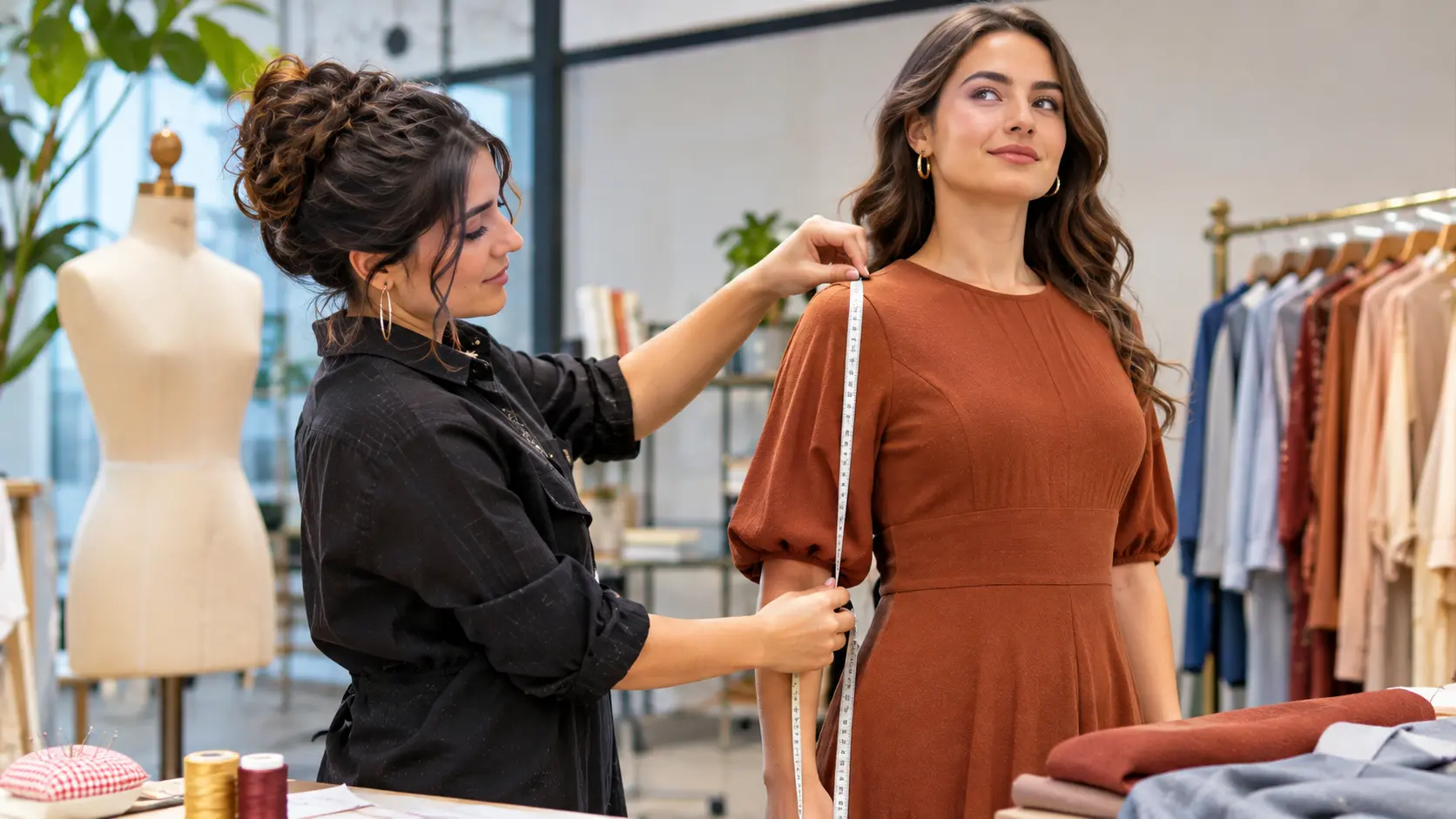
Have you ever wondered why two garments with the same measurements can feel completely different when worn? The answer often comes down to garment ease. This important clothing design concept determines how much extra room is included in a garment beyond the wearer’s actual body measurements. Understanding what is garment ease can help you choose comfortable clothes, interpret sewing patterns, and make more confident fashion decisions.
Garment ease influences how clothing fits, moves, and creates different silhouettes. It plays an important role in everything from fitted dresses and formal jackets to relaxed shirts and oversized sweaters. Whether you enjoy sewing, shopping online, or exploring fashion design, learning about garment ease can help you understand why clothes fit differently and how to choose styles that suit your preferences.
What Is Garment Ease? A Simple Explanation
Garment ease is the difference between the measurements of a finished garment and the corresponding body measurements. For example, if a person’s chest measures 36 inches and a shirt measures 40 inches around the chest, the garment has four inches of ease. This additional space helps create the intended fit and allows comfortable movement.
Ease is an important part of garment construction because clothing needs to accommodate natural movement and design requirements. Without sufficient room, certain garments may feel restrictive during everyday activities. However, the amount of ease depends on fabric properties, garment construction, and styling preferences. Different garments are intentionally designed with different levels of ease.
Fashion designers and pattern makers use garment ease to control the overall appearance of clothing. A fitted shirt may contain relatively little additional room, while an oversized sweater can include considerably more. Understanding these differences helps shoppers compare garment measurements accurately. It also allows sewing enthusiasts to adjust patterns according to their preferred comfort and style.
Why Is Garment Ease Important in Clothing?
Garment ease influences how comfortably clothing moves with the wearer. Everyday activities such as sitting, walking, reaching, and bending require appropriate freedom of movement. Garments made from rigid woven fabrics often need more additional space than stretchy materials. Understanding ease helps explain these practical differences.
Ease also contributes to the visual appearance of a garment. A tailored blazer, relaxed blouse, and oversized hoodie create different silhouettes because of their design and construction. The amount and distribution of extra fabric influence how each item hangs. Designers use these characteristics to achieve specific styling effects.
Understanding garment ease can also reduce mistakes when shopping or sewing. Clothing measurements do not always represent the dimensions of the person expected to wear the item. Finished garments usually include some allowance for movement and design. Recognizing this distinction makes comparing size charts and sewing patterns much easier.
What Are the Main Types of Garment Ease?
The two main types of garment ease are wearing ease and design ease. Wearing ease provides the room necessary for comfortable movement and practical garment function. Design ease, sometimes called style ease, creates the intended silhouette. Together, these elements influence how clothing fits and looks.
Wearing ease is particularly important in garments made from fabrics with limited stretch. A woven shirt needs enough room for arm movement and comfortable breathing. However, highly stretchable garments may require very little positive ease or even use negative ease. The appropriate amount depends on fabric behavior and garment construction.
Design ease adds additional fullness beyond practical movement requirements. Oversized jackets, flowing dresses, and relaxed trousers may include substantial design ease. This extra fabric supports the intended fashion style rather than simply providing functional movement. Understanding both types helps explain why different clothing designs use different measurements.
What Is Wearing Ease in Garment Construction?
Wearing ease is the additional space included in clothing to support comfortable everyday movement. It helps garments accommodate activities such as bending, reaching, and sitting. The required amount varies depending on garment type and fabric properties. A structured woven jacket may need different allowances from a stretchy athletic top.
Pattern makers consider how the body moves when deciding where wearing ease is necessary. Areas such as the chest, hips, shoulders, and upper arms may require particular attention. However, ease is not always distributed equally throughout a garment. Different construction methods influence where additional room is placed.
Comfortable wearing ease should be evaluated through movement rather than measurements alone. A garment may appear suitable while standing but feel restrictive when sitting or reaching. Trying different positions during a fitting helps identify these problems. This practical approach is useful when purchasing tailored clothing or adjusting sewing patterns.
What Is Design Ease in Fashion?
Design ease is the additional fabric incorporated into a garment to create a particular style or silhouette. Unlike wearing ease, its primary purpose is visual appearance rather than basic movement. Designers may add fullness to create flowing shapes, relaxed proportions, or dramatic volume. These choices contribute to the character of different fashion styles.
Oversized shirts, wide-leg trousers, and loose-fitting dresses often contain noticeable design ease. The extra fabric creates an intentionally relaxed appearance. Other garments use smaller amounts to achieve a more structured or fitted look. Neither approach is inherently better because each serves a different design purpose.
Design ease also depends on fabric drape and construction. A lightweight fabric may fall softly, while a structured textile creates a more defined silhouette. The same amount of additional fabric can therefore produce different visual results. Understanding this relationship helps shoppers and sewing enthusiasts evaluate garment styles more accurately.
What Is Negative Ease in Clothing?
Negative ease occurs when a garment’s finished measurement is smaller than the corresponding body measurement. This technique is commonly used with stretch fabrics that expand comfortably during wear. Leggings, fitted knit tops, and certain athletic garments may incorporate negative ease. The fabric’s elasticity allows the garment to accommodate movement.
For example, a stretch garment may measure slightly smaller than the body area it is designed to cover. When worn, the fabric stretches to create the intended fit. However, the amount of negative ease must match the material’s recovery and stretch characteristics. Excessive negative ease can make clothing uncomfortable.
Negative ease is not suitable for every fabric or garment design. Rigid woven materials generally cannot stretch enough to accommodate the same construction approach. Sewing patterns designed for stretch fabrics should therefore be matched with appropriate materials. Following pattern instructions helps achieve the intended fit without unnecessary restriction.
How to Calculate Garment Ease Correctly
Calculating garment ease involves comparing the finished garment measurement with the corresponding body measurement. Subtract the body measurement from the garment measurement to determine the difference. For example, a 42-inch garment chest measurement minus a 38-inch body chest measurement produces four inches of positive ease. This calculation provides a useful starting point.
The same method can be applied to waist, hip, and other relevant measurements. However, it is important to compare measurements taken at equivalent locations. A natural waist measurement should not automatically be compared with a waistband designed to sit lower. Consistent measuring methods help prevent confusing results.
Garment ease calculations should also account for fabric stretch and intended fit. Positive ease indicates additional circumference, while negative ease indicates a smaller finished garment measurement. Neither number independently determines comfort. Construction details, fabric properties, and personal preferences remain important when evaluating the finished garment.
How Much Ease Should Clothes Have?
There is no universal amount of garment ease suitable for every clothing style. The appropriate allowance depends on the fabric, garment design, and intended activities. Fitted clothing often uses less positive ease than relaxed garments. Stretch materials may require different calculations from woven fabrics.
A structured shirt typically needs enough room for comfortable shoulder and arm movement. Loose casual clothing may include additional fullness to create a relaxed appearance. Athletic garments often use stretch materials designed to move closely with the body. Each category follows different construction principles.
When deciding how much ease feels comfortable, consider how the garment behaves during everyday movement. Sitting, reaching, and walking can reveal fit issues that are not obvious while standing. Personal preferences also influence the desired amount of room. The best fit is one that supports comfort and matches the garment’s intended design.
Garment Ease vs. Seam Allowance: What’s the Difference?
Garment ease and seam allowance are different sewing concepts, although beginners sometimes confuse them. Ease describes the relationship between body dimensions and finished garment measurements. Seam allowance is the extra fabric provided beyond a stitching line for joining garment pieces. The two serve different purposes during construction.
Seam allowance is typically included along the edges of fabric pattern pieces. When the pieces are sewn together, much of this allowance remains inside the garment. It does not automatically contribute to the finished circumference. Garment ease, by contrast, is reflected in the final dimensions after construction.
Understanding this distinction is important when adjusting sewing patterns. Adding fabric at a seam may increase garment ease only when the stitching position or pattern dimensions are changed appropriately. Simply increasing seam allowance does not guarantee a looser fit. Accurate pattern alterations require attention to finished measurements and construction lines.
How Garment Ease Affects Shirts and Tops
Shirts and tops use different amounts of ease depending on their intended style. A fitted button-down shirt may provide relatively limited extra room, while a relaxed T-shirt usually includes more. Oversized shirts intentionally use additional design ease. These differences influence how the garment hangs and moves.
Chest, shoulder, and arm measurements are especially important when evaluating shirt fit. A garment may have sufficient chest ease but still feel restrictive around the upper arms. The position of shoulder seams also affects comfort and movement. Evaluating several measurements provides a better understanding than focusing on chest circumference alone.
Fabric composition can further influence how much ease a shirt requires. Stretch jersey behaves differently from structured cotton poplin or linen. A knit top may accommodate movement with less positive ease than a woven shirt. Checking the fabric and intended fit helps shoppers choose suitable clothing sizes.
Understanding Garment Ease in Pants and Jeans
Garment ease plays an important role in how trousers and jeans fit around the waist, hips, thighs, and legs. Different designs use different allowances to create their intended appearance. Slim-fit trousers generally contain less fullness than relaxed or wide-leg styles. However, comfort depends on construction and fabric properties.
Waistband position also influences how trouser measurements should be interpreted. High-rise and low-rise garments sit at different locations on the body. Comparing their measurements with the same natural waist dimension may produce misleading results. Understanding the intended rise helps identify more suitable sizing information.
Stretch denim and rigid denim behave differently because of their fabric composition. Jeans containing stretch fibers may use smaller allowances while still providing movement. Rigid denim usually requires a different approach to fit. Considering fabric behavior, garment measurements, and personal comfort helps when choosing between styles.
Garment Ease in Dresses and Skirts
Dresses and skirts use garment ease to create different silhouettes, including fitted, straight, relaxed, and flowing designs. A tailored dress may follow body measurements more closely, while a loose summer dress may include considerable additional fabric. These differences are intentional design decisions. Understanding ease helps explain how each style is constructed.
Dress fit may depend on several measurements rather than one overall size. Bust, waist, hip, shoulder, and torso dimensions can all influence comfort. A garment with generous ease in one area may be more fitted elsewhere. Reviewing multiple measurements provides a clearer picture of the intended shape.
Skirts also use different amounts of ease according to their design. A structured pencil skirt may require careful measurement, while a gathered skirt includes additional fullness. Fabric properties and waistband construction influence the result. When choosing a garment, consider how comfortably it allows sitting, walking, and other everyday movement.
How Fabric Stretch Changes Garment Ease
Fabric stretch significantly influences the amount of ease required in clothing. Materials containing elastane or naturally flexible knitted structures can expand during movement. This allows designers to create closer-fitting garments without relying entirely on positive ease. However, stretch behavior varies between fabrics.
Stretch percentage and recovery are important considerations in pattern construction. Recovery describes how effectively fabric returns toward its original shape after stretching. A material with poor recovery may gradually lose its intended fit. Therefore, sewing patterns often specify recommended fabric properties rather than simply naming a fabric category.
Woven fabrics generally require different ease calculations from highly stretchable knits. Some woven materials contain stretch fibers, so construction methods may vary within the category. Always evaluate the actual textile rather than relying entirely on its name. Matching fabric properties with the pattern’s requirements supports better results.
How to Measure a Garment to Check Ease
Measuring garment ease begins with obtaining accurate body and finished garment measurements. Choose a garment that fits comfortably and lay it flat on a clean surface. Smooth the fabric without stretching it. Measure the relevant sections according to the manufacturer’s or pattern maker’s instructions.
For example, a flat chest measurement may need to be doubled to estimate the full garment circumference. Compare that result with the corresponding body measurement. The difference indicates the amount of ease at that location. Repeat the process for other relevant areas, such as the waist or hips.
This method is particularly helpful when comparing clothing purchased online. However, finished garment dimensions do not explain every aspect of fit. Shoulder construction, fabric stretch, and garment shape can affect comfort. Combining measurements with product details provides more useful information.
How to Adjust Garment Ease in Sewing Patterns
Adjusting garment ease involves changing pattern dimensions to achieve a preferred fit or silhouette. Beginners should begin by understanding the pattern’s existing measurements and recommended fabric. Some patterns provide finished garment dimensions, making it easier to identify available ease. Accurate information reduces unnecessary alterations.
When additional room is needed, adjustments may involve selected seams or pattern sections. However, adding the same amount everywhere can change the intended shape. More complex garments require attention to balance, shaping, and construction details. Consulting reliable sewing instructions can help prevent unexpected results.
A test garment, sometimes called a muslin or toile, can be useful before cutting expensive fabric. It allows the maker to evaluate comfort and movement without committing to the final material. Small adjustments can then be made based on the fitting. This approach supports practical learning and more predictable sewing outcomes.
Common Garment Ease Mistakes to Avoid
One common mistake is assuming that more garment ease always creates a better fit. Excessive additional fabric can change the intended silhouette and affect how a garment moves. Similarly, very little ease may cause discomfort in certain materials. The correct amount depends on the design and fabric.
Another mistake involves confusing body measurements with finished garment measurements. Sewing patterns and clothing brands may use different measurement systems. Comparing these values incorrectly can lead to unsuitable size selections. Always identify what each measurement represents before making adjustments or purchasing clothing.
Ignoring fabric properties is another frequent problem. A pattern designed for a stretch knit may not work correctly with rigid woven fabric. The amount of ease may be unsuitable for the replacement material. Following fabric recommendations and testing unfamiliar combinations helps reduce mistakes.
Style Tips for Using Garment Ease Creatively
Garment ease offers opportunities to explore different fashion silhouettes. Relaxed shirts, flowing trousers, and structured jackets each create distinctive styling effects. Combining garments with different levels of fullness can add variety to everyday outfits. Personal preference should guide these choices rather than rigid fashion rules.
Layering is another practical way to experiment with garment ease. A jacket worn over a sweater needs enough room to accommodate the additional clothing. Choosing suitable outerwear measurements can improve comfort during movement. Lightweight layers may require less space than thicker garments.
Understanding ease also helps when exploring oversized fashion. An oversized garment is generally designed with additional volume rather than simply being a larger standard size. Its shoulders, sleeves, and proportions may be intentionally adjusted. Choosing a purposefully oversized design often produces a different result from sizing up randomly.
What to Know Before Trying Garment Ease Adjustments
Before adjusting garment ease, identify whether your goal involves comfort, movement, or appearance. These objectives may require different changes to the pattern or finished garment. A comfortable garment does not necessarily need extensive alterations. Start by evaluating the existing fit and identifying specific concerns.
Consider the fabric, construction, and available alteration options before making changes. Some garments can be adjusted easily at selected seams, while others contain complex structural details. Changes to one area may affect nearby sections. Testing small modifications can help preserve the garment’s intended balance.
If you are new to sewing, begin with simple patterns and inexpensive practice materials. Learning how ease influences finished measurements provides a useful foundation for more advanced projects. Experienced tailors can also offer guidance when garments require complicated adjustments. A thoughtful approach makes clothing customization more manageable and enjoyable.
Conclusion
Understanding what is garment ease helps explain why clothing measurements differ from body measurements. Wearing ease provides room for comfortable movement, while design ease shapes the intended silhouette. Negative ease is also used in certain stretch garments. These concepts are essential for interpreting sewing patterns and understanding clothing fit.
Garment ease varies according to fabric properties, construction methods, and styling preferences. Shirts, trousers, dresses, and outerwear all require different considerations. Measuring existing garments and comparing finished dimensions can provide useful information. Careful adjustments help improve comfort without unnecessarily changing the original design.
Ultimately, garment ease is a practical tool for creating and choosing clothing that feels comfortable and reflects personal style. There is no single ideal amount that works for every person or garment. Learning the basics makes shopping, sewing, and tailoring easier. With experience, you can use garment ease to make more informed clothing decisions.
Frequently Asked Questions (FAQs)
What is garment ease in simple words?
Garment ease is the difference between a person’s body measurements and the corresponding finished clothing measurements. It provides room for movement or creates the intended style, depending on the garment’s design.
What are the three types of garment ease?
The commonly discussed categories are wearing ease, design ease, and negative ease. Wearing ease supports movement, design ease creates additional fullness, and negative ease is used in certain stretch garments.
What is the difference between wearing ease and design ease?
Wearing ease provides additional space for comfortable movement and garment function. Design ease adds fullness to create a particular silhouette, such as the relaxed appearance of an oversized shirt.
How do you calculate garment ease?
Subtract the corresponding body measurement from the finished garment measurement. For example, a 40-inch garment chest and a 36-inch body chest produce four inches of positive ease.
Is more garment ease always better?
No. The appropriate amount depends on fabric stretch, garment construction, and personal preference. Excessive ease can change a garment’s intended appearance, while insufficient ease may restrict movement.



[…] What is Garment Ease: What to Know Before You Try It […]